Achieving perfect white rice in a rice cooker consistently involves precise water ratios, thorough rinsing, and a crucial resting period after cooking. For most modern rice cookers and rinsed long-grain white rice, a ratio of 1 cup rice to 1.25 cups water is often ideal, while short-grain varieties may prefer a 1:1 ratio. This method ensures fluffy, tender grains without stickiness or mushiness, transforming a simple staple into a culinary delight.
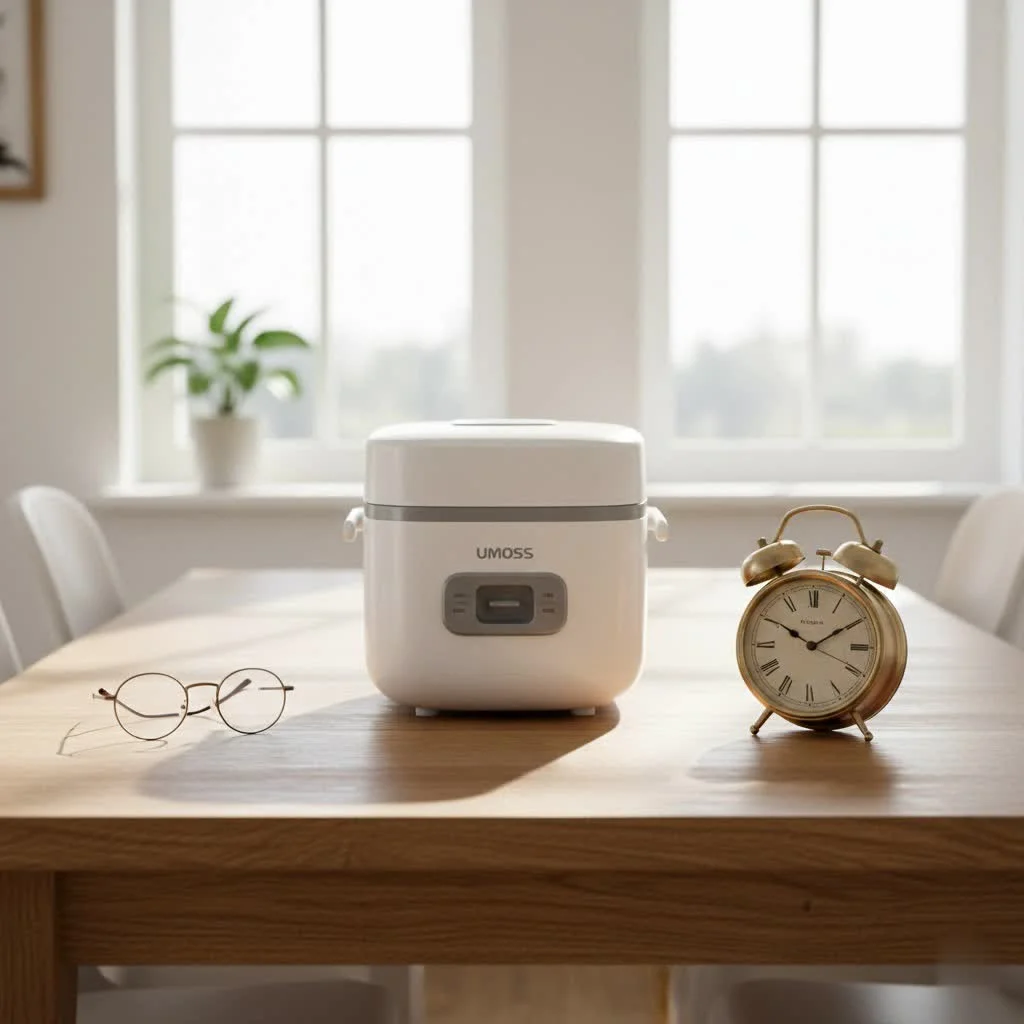
Many people think cooking white rice is simple, and with a rice cooker, it certainly can be. But achieving that consistently fluffy, tender texture without it being mushy or sticky often feels like a magic trick. It’s not magic; it’s precision, and your rice cooker is designed to give you just that. From basic models to advanced induction heating (IH) and pressure cookers, understanding the nuances of your appliance and the grain itself is key to unlocking truly exceptional results. For see our reviews recommendations on this site.
Understanding Your Rice Cooker: A Foundation for Fluffy Grains
Before we get into the nitty-gritty of grain preparation, let’s briefly touch on what makes your rice cooker such a marvel. This appliance works in a sealed environment, rapidly bringing the liquid to a boil and maintaining the ideal temperature until the rice has fully absorbed the water. A clever sensor inside monitors the heat, and once it detects that the water has been absorbed (typically when the temperature rises above water’s boiling point of 212 degrees F), it automatically switches to a warm setting. This “set it and forget it” functionality is why rice cookers are beloved globally.
However, not all rice cookers are created equal, and even within the same brand, models can vary. This is why our first and most critical piece of advice, often overlooked, is to read your rice cooker’s manual. It’s your ultimate guide to specific water ratios, settings, and care instructions unique to your model.
The Art of Preparing White Rice: From Grain to Pot
Perfect white rice begins long before the cook cycle starts. The preparation steps are crucial for texture and taste.
Choosing the Right White Rice
The world of white rice is diverse, and each type brings its own characteristics to your plate:
- Short-grain rice: Think Arborio or sticky rice. These varieties have grains that tend to cling together when cooked, resulting in a chewier, more cohesive texture. They are less fluffy by nature.
- Medium-grain rice: A delightful balance, offering grains that are both fluffy and possess a slightly sticky texture.
- Long-grain rice: Varieties like Basmati or Jasmine rice are known for producing separate, light, and fluffy grains that don’t stick together.
|
Our Picks for the Best Rice Cooker in 2026
As an Amazon Associate I earn from qualifying purchases.
|
||
| Num | Product | Action |
|---|---|---|
| 1 | Aroma Housewares 1.5Qt. Rice & Grain Cooker (ARC-363NGB),Black,6-Cup Cooked / 3-Cup Uncooked |

|
| 2 | AROMA® Rice Cooker, 3-Cup (Uncooked) / 6-Cup (Cooked), Small Rice Cooker, Oatmeal Cooker, Soup Maker, Auto Keep Warm, 1.5 Qt, White, ARC-363NG |
|
| 3 | TOSHIBA Rice Cooker Small 3-Cup Uncooked– LCD Display with 8 Cooking Functions: Rice, Oatmeal, Mixed Grains and More, NonStick Inner Pot, Grey |
|
| 4 | AROMA Digital Rice Cooker, 4-Cup (Uncooked) / 8-Cup (Cooked), Steamer, Grain Cooker, Multicooker, 2 Qt, Stainless Steel Exterior, ARC-914SBD |
|
| 5 | AROMA Rice Cooker, 3-Cup (Uncooked) / 6-Cup (Cooked), Small Rice Cooker, Oatmeal Cooker, Soup Maker, Auto Keep Warm, 1.5 Qt, White, ARC-393NG |
|
| 6 | Zojirushi Micom 3-Cup Compact Size, Multiple Settings, Stainless Steel Made, Built-In Retractable Power Cord and Easy to Transport Rice Cooker and Warmer |
|
| 7 | COSORI Rice Cooker 10 Cup, 24h Keep Warm, Non-stick Ceramic Inner Pot, 18 Functions Fuzzy Logic Rice Maker with Stainless Steel Steamer Basket, Sauté, Slow Cooker, Black |
|
| 8 | Zojirushi NS-ZCC10 5-1/2-Cup Neuro Fuzzy Rice Cooker and Warmer, Premium White |
|
| 9 | Aroma Housewares 20 Cup Cooked (10 cup uncooked) Digital Rice Cooker, Slow Cooker, Food Steamer, SS Exterior (ARC-150SB),Black |
|
| 10 | Toshiba Mini Rice Cooker, 3 Cups Uncooked Small Rice Cooker, Steamer & Warmer, With Fuzzy Logic And One-Touch Cooking, 24 Hour Delay Timer And Auto Keep Warm Feature, White |
|
For everyday fluffy white rice, long-grain varieties are often the go-to.
The Rinsing Ritual: Essential for Less Sticky Rice
One of the most impactful steps for achieving non-sticky, fluffy white rice is rinsing. Rinsing the rice under running water washes away excess surface starch, which is a primary culprit for mushy or overly sticky results.
How to Rinse:
- Place your measured rice in the removable inner pot of your rice cooker or in a fine-mesh sieve.
- Add cold water, stir the rice gently with your hand, and drain the cloudy water.
- Repeat this process about 3-4 times until the water runs mostly clear or is significantly less milky. You don’t need to get the water perfectly clear; just a significant reduction in cloudiness is enough. Over-washing can cause the rice to absorb too much water prematurely and potentially break the grains.
To Soak or Not to Soak? An Expert’s Insight
While not strictly mandatory for all types of white rice, soaking can significantly enhance the final texture, especially for short-grain or certain medium-grain varieties. Soaking allows the rice grains to absorb water gradually, leading to a more evenly cooked, fluffier, and “rounder” texture. Aim for a soak time of 10 to 30 minutes before cooking. If you forget it for a bit longer, it’s usually fine, but avoid soaking for more than an hour or two, as it can lead to mushy rice.
The Golden Ratio: Water and Rice in Harmony
The water-to-rice ratio is perhaps the most debated aspect of white rice cooking. It varies not only by the type of rice but also by your specific rice cooker and whether you rinse your rice.
For most modern rice cookers and rinsed white rice:
- A common recommendation is a 1:1 ratio (1 cup of rice to 1 cup of water). This is particularly true for short-grain white rice in a rice cooker.
- However, for many long-grain white rice varieties, especially after rinsing, a slightly higher ratio like 1 cup washed rice to 1 ¼ cups water is often favored for optimal fluffiness.
Why the discrepancy? When you rinse rice, it absorbs a small amount of water. If your manual suggests a 1:1 ratio, it’s typically assuming rinsed rice. If you don’t rinse, you might need slightly more water.
Be wary of the 1 cup rice to 2 cups water ratio commonly used for stovetop cooking. Using this in a rice cooker will almost certainly result in overcooked, mushy rice. Always start with your rice cooker’s manual, then adjust slightly based on your preference and the rice type.
Cooking White Rice to Perfection: A Step-by-Step Guide
Here’s my tried-and-true method for perfect white rice in your rice cooker every time:
- Measure and Rinse: Use your rice cooker’s measuring cup (if provided) or a standard measuring cup. Rinse the rice thoroughly as described above until the water is less cloudy.
- Add Water and Seasoning: Transfer the rinsed, drained rice to the inner pot. Add the appropriate amount of water based on your rice type and cooker (e.g., 1 cup rice to 1-1.25 cups water). For enhanced flavor, a pinch of salt is usually sufficient. Some like to add a tiny dash of neutral oil for even fluffier grains.
- Initiate Cooking Cycle: Place the inner pot into the rice cooker, close the lid, and select the “white rice” setting or simply press “start.” The appliance will handle the rest.
- The Crucial Resting Period: Once the cooking cycle is complete and the cooker switches to “warm” mode, do not open the lid immediately! This is perhaps the most crucial step for achieving the perfect texture. Let the rice rest, undisturbed and covered, for 10 to 15 minutes. This allows the remaining steam to absorb back into the grains, firming them up and distributing moisture evenly. As Dr. Anya Sharma, a culinary scientist specializing in grain preparation, emphasizes, “The subtle art of resting rice after cooking in a rice cooker is often overlooked, yet it’s paramount for allowing moisture to evenly redistribute, transforming good rice into truly exceptional, fluffy grains.”
- Fluff and Serve: After resting, open the lid and gently fluff the rice with a rice paddle or spoon. Serve warm and enjoy your perfectly cooked white rice!
Beyond the Basics: Tips for Exceptional White Rice
- Enhancing Flavor: Beyond salt, consider cooking your white rice with a bay leaf, a small piece of kombu, or even a few drops of sesame oil added before cooking for subtle flavor notes. For a richer taste, some even cook rice with chicken or vegetable broth instead of just water.
- Keeping Rice Warm: Most rice cookers have a “keep warm” function. While convenient, prolonged warming can dry out the rice or alter its texture. Aim to serve within an hour or two of cooking for the best results.
- Cleaning and Maintenance: Always clean the inner pot and lid thoroughly after each use. If your pot has a non-stick coating, avoid metal utensils or abrasive scrubbers that can scratch the surface. A soft sponge and dish soap are usually all you need. Leaving the lid open to dry after use can also prevent odors and moisture buildup.
Choosing Your White Rice Cooker: What to Look For
At Golmz, we constantly evaluate models to help you make informed decisions. When it comes to cooking exceptional white rice, here are key features to consider:
- Basic vs. Advanced Models:
- Basic (Mechanical) Rice Cookers: Simple, reliable, and generally affordable. They excel at cooking white rice with a straightforward heating element and thermostatic control.
- Electronic Rice Cookers: Offer more precise temperature control and often include specialized settings for different rice types (white, brown, sushi, porridge) and functions like delay timers.
- Induction Heating (IH) Rice Cookers: Use electromagnetic fields to heat the entire inner pot directly and evenly, leading to superior heat distribution and precise cooking for consistently perfect white rice.
- Pressure Rice Cookers: Combine high pressure with IH technology for faster cooking and even more distinct, flavorful grains. They can achieve textures not possible with conventional models.
- Inner Pot Material: Look for pots with high-quality non-stick coatings or, even better, ceramic pots. Ceramic pots are gaining popularity for their natural non-stick properties and for being free from “forever chemicals” often associated with some non-stick coatings.
- Capacity: Choose a size that fits your household needs. A 3-cup cooked rice capacity (often from 1 standard cup of uncooked rice) is typically enough for 2-4 servings.
- “Keep Warm” Function: A good “keep warm” setting prevents rice from drying out without continuing to cook it.
- Delay Timer: Perfect for meal prepping, allowing you to set the rice to be ready exactly when you need it.
Troubleshooting Common White Rice Woes
Even with the best rice cooker, sometimes things go awry. Here’s a quick guide to common issues and how to fix them:
- Mushy Rice: This usually indicates too much water. Ensure you’re using the correct ratio for your specific rice and cooker, and remember that rinsing slightly reduces the need for additional water. Not rinsing enough can also contribute to stickiness.
- Dry or Hard Rice: The opposite problem – not enough water or insufficient resting time. Double-check your water ratio and always allow the recommended 10-15 minutes of resting after the cooking cycle.
- Sticky Rice: If your white rice is excessively sticky, it’s likely due to insufficient rinsing. Ensure you wash away enough surface starch before cooking. Using the correct water ratio for your chosen rice type also plays a role.
Frequently Asked Questions about White Rice Cookers
Q1: Do I really need to rinse white rice before cooking in a rice cooker?
A1: Yes, rinsing white rice is highly recommended. It removes excess surface starch, preventing the rice from becoming too sticky or mushy, and helps achieve a lighter, fluffier texture.
Q2: What is the best water-to-rice ratio for white rice in a rice cooker?
A2: For most rice cookers and rinsed white rice, a ratio of 1 cup rice to 1 to 1.25 cups water is a good starting point. Always consult your specific rice cooker’s manual for precise recommendations.
Q3: How long should white rice rest after cooking in a rice cooker?
A3: After the cooking cycle finishes and the cooker switches to “warm,” let the white rice rest, covered, for 10 to 15 minutes. This crucial step allows steam to redistribute evenly, resulting in a perfectly firm and fluffy texture.
Q4: Can I add seasonings or oil to my white rice in a rice cooker?
A4: Absolutely! A pinch of salt is common, and a small amount of neutral oil (like vegetable or canola) can help achieve even fluffier grains. You can also experiment with broths or herbs for added flavor.
Q5: Why does my rice cooker sometimes produce burnt or crusty rice at the bottom?
A5: This can happen if there’s too little water or if the “keep warm” setting is left on for too long. Ensure your water ratio is correct and try to serve the rice within an hour or two of it switching to “warm.”
Conclusion
Cooking perfect white rice in a rice cooker truly is an art, but one made accessible by understanding your appliance and respecting the grain. From the simple act of rinsing to the critical resting period, each step plays a vital role in transforming raw grains into a fluffy, fragrant staple. At Golmz, we believe that with these insights and your trusty rice cooker, you’re well on your way to mastering this culinary essential. Experiment with different rice types, fine-tune your water ratios, and don’t hesitate to personalize with your favorite seasonings. Your journey to consistently delicious white rice starts now – happy cooking!
Cooking gear we tested in our own kitchens
Practical specs, not advice. Unsubscribe anytime.

I always struggled with getting my white rice just right, even with a rice cooker. The tip about the 1 cup rice to 1.25 cups water ratio for long-grain white rice was a game-changer! My rice is finally fluffy and not sticky at all. This simple adjustment made such a huge difference, I’m so glad I tried it.
I’ve been using an IH rice cooker for years and thought I had my technique down. But the emphasis on rinsing until the water runs clear really elevated my short-grain white rice. The 1:1 ratio works perfectly for that variety, and now my rice is consistently tender and separate. It’s amazing how much difference those small details make.
I appreciate the detailed advice, especially about the resting period after cooking. It definitely helps with the texture. However, I have a basic model rice cooker and sometimes the bottom still gets a little crusty, even with thorough rinsing. It’s better than before, but not quite ‘perfect’ every time for me.
This guide was super helpful for understanding why my rice sometimes turned out mushy. I never paid much attention to the water ratios for different grain types. Switching to a 1:1 ratio for my short-grain rice made a noticeable improvement. I still need to practice the rinsing part more consistently, but it’s a great start.