In the bustling world of kitchen gadgets, sometimes the most unassuming appliances prove to be the most invaluable. For singles, couples, or small families, the 3-cup rice cooker is often overlooked, yet it’s a genuine game-changer. Here at Golmz.com, where we live and breathe rice cookers, we’ve seen countless innovations, but the charm and efficiency of a perfectly sized, compact rice cooker remain unmatched for specific needs. If you’re tired of leftover rice going to waste, or simply need a reliable way to get perfectly fluffy grains without fuss, a 3-cup model might just be the kitchen companion you never knew you needed.
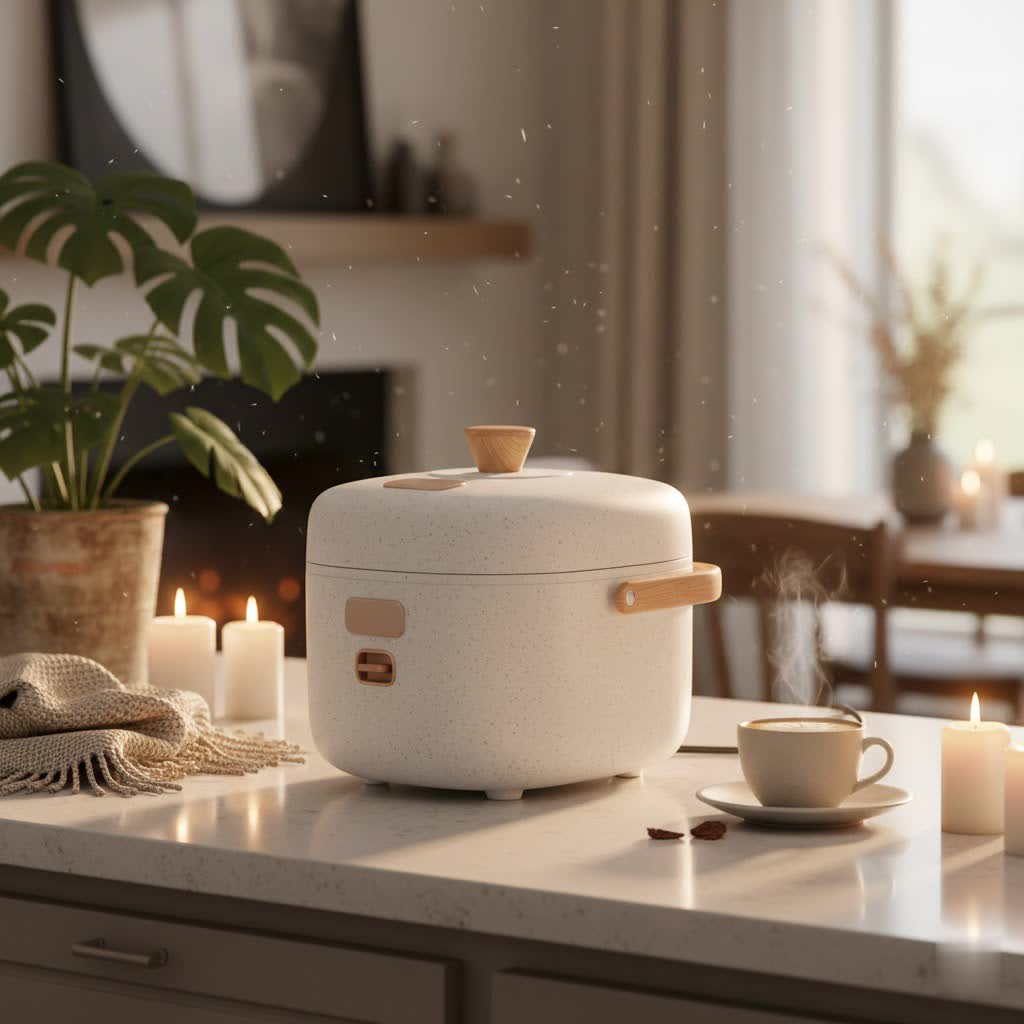
What Exactly Does “3-Cup” Mean? Understanding Capacity for Your Needs
When we talk about a “3-cup rice cooker,” it’s crucial to understand what that measurement truly represents. Unlike standard kitchen measurements, a rice cooker’s capacity is almost always referring to uncooked rice, measured with the specific cup provided by the manufacturer. This “rice cooker cup” is typically 180ml, which is approximately three-quarters of a standard 240ml US measuring cup. So, when you load up your 3-cup model with three of these specialized cups of dry rice, you’re actually preparing enough for a generous yield.
Once cooked, three cups of uncooked rice will typically expand to about six cups of fluffy, ready-to-eat rice. This makes a 3-cup rice cooker ideal for serving one to three people comfortably. If rice is a main component of your meal, like a hearty rice bowl or a rich risotto, it’s perfect for a couple. If you’re serving rice as a side dish alongside other culinary creations, it can easily provide enough for four to six people. It’s all about finding that sweet spot for your household’s appetite and avoiding unnecessary waste.
Types of 3-Cup Rice Cookers: Finding Your Perfect Match
Just like their larger counterparts, 3-cup rice cookers come packed with various technologies and features. Choosing the right one depends on your cooking style, your budget, and how adventurous you get with your grains. Let’s break down the main types you’ll encounter.
Basic (Mechanical) Rice Cookers: Simplicity at its Best
|
Our Picks for the Best Rice Cooker in 2026
As an Amazon Associate I earn from qualifying purchases.
|
||
| Num | Product | Action |
|---|---|---|
| 1 | AROMA Rice Cooker, 3-Cup (Uncooked) / 6-Cup (Cooked), Small Rice Cooker, Oatmeal Cooker, Soup Maker, Auto Keep Warm, 1.5 Qt, White, ARC-393NG |

|
| 2 | Zojirushi NS-ZCC10 5-1/2-Cup Neuro Fuzzy Rice Cooker and Warmer, Premium White |
|
| 3 | COSORI Rice Cooker 10 Cup, 24h Keep Warm, Non-stick Ceramic Inner Pot, 18 Functions Fuzzy Logic Rice Maker with Stainless Steel Steamer Basket, Sauté, Slow Cooker, Black |
|
| 4 | Zojirushi Micom 3-Cup Compact Size, Multiple Settings, Stainless Steel Made, Built-In Retractable Power Cord and Easy to Transport Rice Cooker and Warmer |
|
| 5 | AROMA® Rice Cooker, 3-Cup (Uncooked) / 6-Cup (Cooked), Small Rice Cooker, Oatmeal Cooker, Soup Maker, Auto Keep Warm, 1.5 Qt, White, ARC-363NG |
|
| 6 | AROMA Digital Rice Cooker, 4-Cup (Uncooked) / 8-Cup (Cooked), Steamer, Grain Cooker, Multicooker, 2 Qt, Stainless Steel Exterior, ARC-914SBD |
|
| 7 | Toshiba Mini Rice Cooker, 3 Cups Uncooked Small Rice Cooker, Steamer & Warmer, With Fuzzy Logic And One-Touch Cooking, 24 Hour Delay Timer And Auto Keep Warm Feature, White |
|
| 8 | Aroma Housewares 1.5Qt. Rice & Grain Cooker (ARC-363NGB),Black,6-Cup Cooked / 3-Cup Uncooked |
|
| 9 | Aroma Housewares 20 Cup Cooked (10 cup uncooked) Digital Rice Cooker, Slow Cooker, Food Steamer, SS Exterior (ARC-150SB),Black |
|
| 10 | TOSHIBA Rice Cooker Small 3-Cup Uncooked– LCD Display with 8 Cooking Functions: Rice, Oatmeal, Mixed Grains and More, NonStick Inner Pot, Grey |
|
What are basic rice cookers? These are the no-frills, straightforward models that get the job done. They typically feature a simple on/off switch and automatically flip to a “keep warm” setting once the rice is cooked. Many also come with a clear glass lid, allowing you to monitor the cooking progress without disturbing the pot.
Why choose one? Basic 3-cup rice cookers are incredibly affordable and user-friendly. They excel at cooking white rice quickly and efficiently, making them a fantastic choice for those who want a reliable, fuss-free appliance. Their compact size is also a huge plus for small kitchens or limited counter space.
What are the limitations? While great for white rice, these models can sometimes struggle with other grain types like brown rice, often leading to inconsistent textures. They usually lack advanced features like delay timers or specialized cooking programs, making them less versatile. For example, a Zojirushi NHS-06 is a classic example of this reliable, basic design, known for its speed and consistency with white rice, though it typically lacks a “keep warm” function.
Micom (Fuzzy Logic) Rice Cookers: Smart Cooking for Superior Results
What is Micom or Fuzzy Logic technology? This is where rice cookers get a little smarter! Micom (short for microcomputer) or Fuzzy Logic models use a built-in microchip to make real-time adjustments to cooking time and temperature. Think of it as an intuitive chef inside your cooker, adapting to different rice types and even slight variations in water or rice quantities.
Why choose one? Fuzzy Logic ensures consistently perfect rice every single time. These models often come with a variety of presets for different grains like white rice, brown rice, sushi rice, porridge, and even GABA brown rice. They typically include convenient features like delay start timers, which let you set your rice to be ready exactly when you want it, and extended keep-warm functions that maintain perfect texture for hours without drying out. The Zojirushi Neuro Fuzzy series, for instance, is renowned for its ability to handle minor measuring errors with finesse, producing excellent, slightly sticky rice consistently.
What are the limitations? Naturally, this added intelligence comes at a higher price point than basic models. They can also take a bit longer to cook, especially for brown rice, as the fuzzy logic meticulously adjusts cycles for optimal results. However, for those who value consistency and versatility, the investment is often well worth it.
Induction Heating (IH) Rice Cookers: Precision for Perfectionists
What is Induction Heating (IH)? Induction heating technology takes rice cooking to the next level. Instead of a heating element at the bottom, magnetic coils turn the entire inner pot into the heating source. This provides incredibly even and precise temperature control, enveloping the rice in consistent heat from all directions.
Why choose one? IH rice cookers are the pinnacle of rice cooking technology, delivering unparalleled texture and consistency. They are particularly excellent for Japanese rice varieties, often featuring specialized settings to bring out their unique characteristics. The precise temperature control minimizes scorching and ensures every grain is perfectly cooked. Some 3-cup IH models, like certain Zojirushi Induction Heating System cookers, offer superior temperature management and customizable texture settings (regular, softer, or firmer rice).
What are the limitations? Unsurprisingly, IH models are generally the most expensive on the market. While they offer the best performance, they might be overkill if you only cook basic white rice occasionally. They also tend to have a slightly larger footprint even in their 3-cup versions, due to the advanced technology.
Key Features to Look For in a 3-Cup Rice Cooker
When scouting for your ideal 3-cup rice cooker, consider these essential features to ensure it meets your specific needs:
- Keep Warm Function: A high-quality “keep warm” function is crucial for small households. It allows you to cook rice ahead of time and keep it at serving temperature without drying it out, burning it, or making it gummy. Look for models that maintain warmth for at least 6-12 hours while preserving the rice’s texture. Some Zojirushi models even have an “Extended Keep Warm” that subtly lowers the temperature to prevent drying.
- Delay Start Timer: Imagine fresh, hot rice ready just as you walk in the door! A delay start timer, often allowing up to 24 hours of pre-setting, is incredibly convenient for meal planning and busy schedules.
- Cooking Presets: If you enjoy various grains beyond just white rice, look for presets for brown rice, sushi rice, mixed rice, porridge, quinoa, or even steel-cut oats. These specialized settings optimize cooking for each grain type, ensuring better results.
- Non-stick Inner Pot: For effortless serving and cleaning, a non-stick inner pot is a must. Some advanced models offer ceramic coatings as an alternative to traditional non-stick, which many users prefer.
- Accessories: Most rice cookers come with a dedicated measuring cup (the 180ml “rice cup”) and a rice paddle. A steamer basket is a valuable addition, allowing you to steam vegetables or proteins while your rice cooks below, making a complete meal in one go.
- Size and Footprint: Even among 3-cup models, physical dimensions can vary. If counter space is a premium, check the product dimensions carefully. Many 3-cup models are designed to be compact and easily storable.
Golmz’s Expert Tips for Using Your 3-Cup Rice Cooker
As an expert in rice cookers, I’ve learned that a few simple techniques can elevate your rice from good to absolutely perfect, even in a compact 3-cup model.
- Rinsing Your Rice: This is perhaps the most crucial step for achieving fluffy, distinct grains. Rinsing white rice several times under cold water until the water runs clear removes excess starch, preventing it from becoming sticky or gummy. For brown rice, a quick rinse is usually sufficient.
- Accurate Measuring is Key: Always use the measuring cup provided with your rice cooker, as it’s calibrated to its specific water lines. Do not substitute it with a standard US measuring cup, as this will throw off your water-to-rice ratio and result in suboptimal rice.
- Follow the Water-to-Rice Ratio: While many cookers have inner pot markings, always refer to your specific manual for the recommended water-to-rice ratio for different grain types. This is especially important for brown rice, which typically requires more water and a longer cooking time.
- Resist the Urge to Lift the Lid: During cooking, avoid opening the lid. This releases steam and heat, disrupting the cooking process and potentially leading to unevenly cooked or undercooked rice. Trust the cooker to do its job!
- Fluff Your Rice: Once cooking is complete and the rice cooker has switched to “keep warm” (or the cycle has finished), let the rice rest for about 5-10 minutes. Then, gently fluff it with your rice paddle. This releases excess steam and separates the grains, giving you that ideal fluffy texture.
- Cleaning and Maintenance: Most inner pots are non-stick and easy to clean with warm, soapy water. Check if the inner lid is removable for thorough cleaning, as this area can accumulate starch residue. Regular cleaning ensures longevity and consistent performance.
Beyond Rice: Versatile Meals in Your Compact Cooker
Don’t let the “rice cooker” name fool you; these compact powerhouses are often much more versatile than you think! A 3-cup model can be your secret weapon for quick, healthy, and diverse meals.
- Oatmeal and Porridge: Many fuzzy logic models have specific settings for these breakfast staples, yielding creamy, perfectly cooked oats without constant stirring. It’s a fantastic way to start your day with minimal effort.
- Steaming Vegetables and Proteins: If your 3-cup rice cooker comes with a steaming basket, you can simultaneously cook your rice and steam vegetables, fish, or chicken right above it. This is an incredible time-saver and makes for easy, healthy one-pot meals.
- Other Grains: Beyond white and brown rice, your cooker can likely handle quinoa, couscous, millet, or even steel-cut oats, especially if it’s a Micom or IH model with multiple grain presets. Experiment with different grains to broaden your culinary horizons!
Expert Insights from the Golmz Lab
“For anyone living in a smaller space or simply looking to minimize food waste, the 3-cup rice cooker is an absolute revelation,” notes Dr. Anya Sharma, Lead Appliance Engineer at Golmz. “Many believe smaller means less capable, but modern 3-cup models, particularly those with fuzzy logic or induction heating, pack a serious punch in terms of performance and versatility. We’ve found that even basic 3-cup units consistently outperform stovetop methods for white rice, delivering superior texture and consistency.”
She adds, “The key is to understand your cooking habits. If you primarily cook white rice for one or two, a simple, fast model like the Zojirushi NHS-06 is excellent. But if you’re a connoisseur of different grain types, or appreciate the convenience of a ‘set it and forget it’ delay timer, investing in a Micom 3-cup rice cooker will dramatically enhance your cooking experience.”
Frequently Asked Questions About 3-Cup Rice Cookers
Here are some common questions we get about these compact kitchen heroes:
How many people does a 3-cup rice cooker serve?
A 3-cup rice cooker typically refers to its capacity for uncooked rice. This amount usually yields about 6 cups of cooked rice, which is ideal for 1 to 3 people as a main dish or 4 to 6 people if served as a side.
Can I cook brown rice in a 3-cup rice cooker?
Yes, you absolutely can! While basic models might be less consistent, many Micom and Induction Heating 3-cup rice cookers have specific settings for brown rice, ensuring it cooks perfectly to a tender, not mushy, consistency. You’ll generally need more water and a longer cooking time for brown rice.
What’s the minimum amount of rice I can cook in a 3-cup model?
Most 3-cup rice cookers can cook as little as half a rice cooker cup (approximately 1/3 of a standard US cup) of uncooked rice effectively. This is perfect for a single serving without creating unnecessary leftovers. Always check your specific model’s manual for its recommended minimum capacity.
Is a “rice cooker cup” the same as a standard measuring cup?
No, it’s not. The measuring cup included with your rice cooker is usually 180ml, which is smaller than a standard 240ml US measuring cup. Always use the provided cup and the corresponding water lines in your rice cooker’s inner pot for accurate results.
How long does it take to cook rice in a small cooker?
Cooking times vary by model and rice type. Basic 3-cup cookers can prepare white rice in about 20-30 minutes. Micom and IH models, especially when using specific programs for brown rice or other grains, can take longer (45-90 minutes) because they employ more complex, precise cooking cycles for optimal texture.
Elevate Your Everyday Cooking with a 3-Cup Rice Cooker
In a world where kitchen space is often at a premium, a 3-cup rice cooker stands out as a smart, efficient, and incredibly useful appliance. It’s more than just a gadget; it’s an invitation to consistently perfect rice, simplified meal preparation, and a cleaner kitchen counter. Whether you’re a solo diner, a busy couple, or a small family, embracing the convenience of a compact rice cooker from a trusted brand means less fuss and more delicious, healthy meals. So go ahead, find your perfect 3-cup rice cooker, and unlock a new level of culinary ease. Your taste buds (and your countertops) will thank you.
