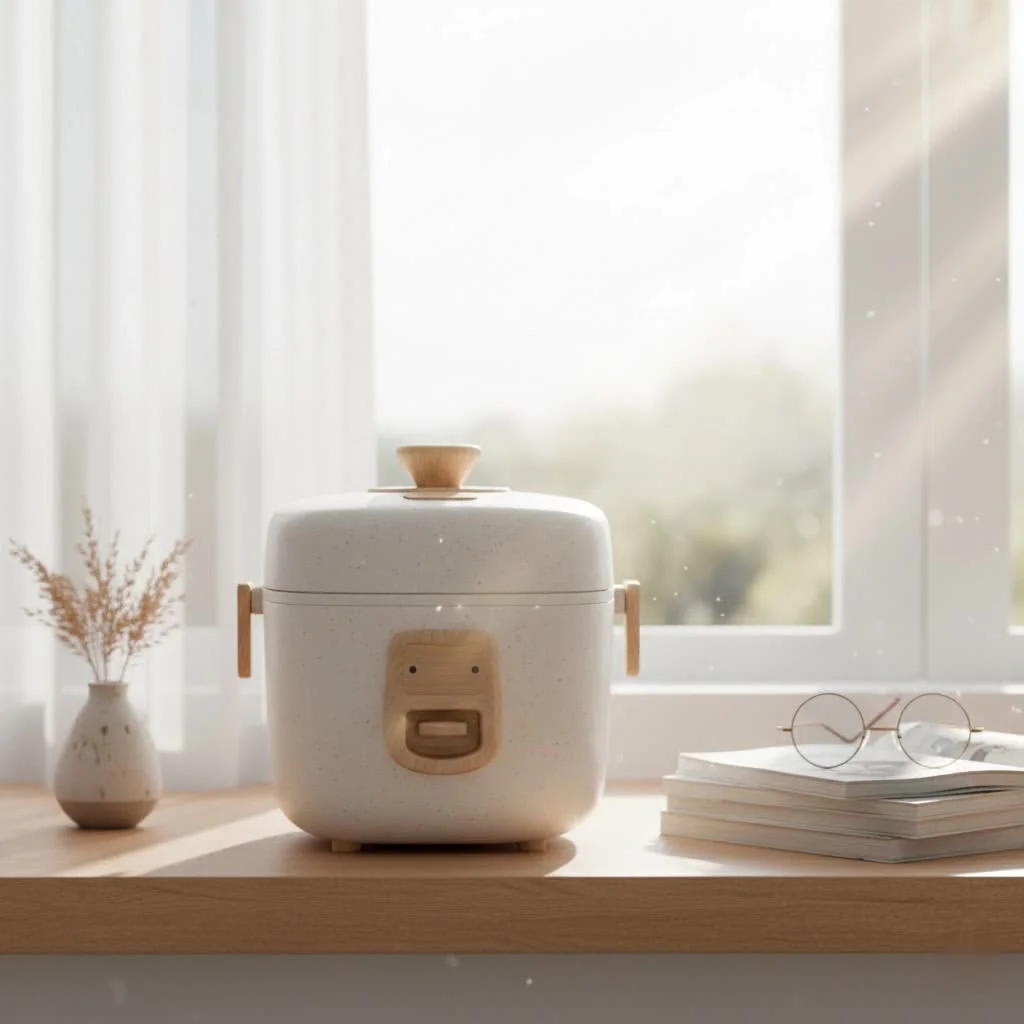
An automatic rice cooker is a dedicated kitchen appliance that simplifies cooking rice, ensuring consistently fluffy, perfectly cooked grains with minimal effort. These devices utilize a heating element, thermostat, and often a timer to precisely manage the cooking process, from boiling to simmering until all water is absorbed. This “set it and forget it” marvel frees up stovetop space and time, making it an indispensable tool for busy households and anyone seeking perfect rice every time.
The Magic Behind the Bowl: What is an Automatic Rice Cooker?
An automatic rice cooker is a dedicated kitchen appliance designed to cook rice with minimal effort and supervision. You simply add your desired amount of rice and water, press a button, and the cooker takes care of the rest. It uses a heating element, thermostat, and often a timer to bring water to a boil, then maintains a simmering temperature until all the water is absorbed and the rice is perfectly steamed. The result? Fluffy, evenly cooked rice that’s ready when you are, often kept warm for hours without overcooking. It’s truly a “set it and forget it” marvel that frees up your stovetop and your time.
Not All Cookers Are Created Equal: Exploring Types of Automatic Rice Cookers
The world of automatic rice cookers is more diverse than you might imagine, offering various technologies to cater to different needs and budgets. Understanding these types is key to finding your perfect kitchen companion.
The Everyday Workhorse: Basic & Digital Automatic Rice Cookers
Basic electric rice cookers are the most common and straightforward. They operate with a simple on/off switch and a thermostat that detects when the water has been absorbed, then switches to a “keep warm” mode. They’re reliable, easy to use, and often the most budget-friendly option. Digital, or micro-computerized (Micom), models take things a step further. They feature advanced microprocessors that offer programmed cooking “flows,” allowing for finer adjustments to cooking time and temperature. These often include specific settings for different rice varieties like white, brown, or sushi rice, and can even tackle other grains or steaming tasks.
The Precision Masters: Induction Heating (IH) Rice Cookers
For those seeking unparalleled precision and performance, Induction Heating (IH) rice cookers are the way to go. Instead of a single heating element at the bottom, IH technology uses magnetic fields to heat the entire inner pot directly and more evenly. This results in incredibly consistent temperatures, faster cooking times, and a superior texture and flavor for your rice. While they typically come with a higher price tag, the difference in quality is often noticeable, making them a favorite among rice connoisseurs.
The Speed Demons: Pressure Cooker Rice Cookers
|
Our Picks for the Best Rice Cooker in 2026
As an Amazon Associate I earn from qualifying purchases.
|
||
| Num | Product | Action |
|---|---|---|
| 1 | Toshiba Mini Rice Cooker, 3 Cups Uncooked Small Rice Cooker, Steamer & Warmer, With Fuzzy Logic And One-Touch Cooking, 24 Hour Delay Timer And Auto Keep Warm Feature, White |

|
| 2 | Zojirushi NS-ZCC10 5-1/2-Cup Neuro Fuzzy Rice Cooker and Warmer, Premium White |
|
| 3 | Aroma Housewares 1.5Qt. Rice & Grain Cooker (ARC-363NGB),Black,6-Cup Cooked / 3-Cup Uncooked |
|
| 4 | COSORI Rice Cooker 10 Cup, 24h Keep Warm, Non-stick Ceramic Inner Pot, 18 Functions Fuzzy Logic Rice Maker with Stainless Steel Steamer Basket, Sauté, Slow Cooker, Black |
|
| 5 | AROMA® Rice Cooker, 3-Cup (Uncooked) / 6-Cup (Cooked), Small Rice Cooker, Oatmeal Cooker, Soup Maker, Auto Keep Warm, 1.5 Qt, White, ARC-363NG |
|
| 6 | AROMA Rice Cooker, 3-Cup (Uncooked) / 6-Cup (Cooked), Small Rice Cooker, Oatmeal Cooker, Soup Maker, Auto Keep Warm, 1.5 Qt, White, ARC-393NG |
|
| 7 | Zojirushi Micom 3-Cup Compact Size, Multiple Settings, Stainless Steel Made, Built-In Retractable Power Cord and Easy to Transport Rice Cooker and Warmer |
|
| 8 | TOSHIBA Rice Cooker Small 3-Cup Uncooked– LCD Display with 8 Cooking Functions: Rice, Oatmeal, Mixed Grains and More, NonStick Inner Pot, Grey |
|
| 9 | Aroma Housewares 20 Cup Cooked (10 cup uncooked) Digital Rice Cooker, Slow Cooker, Food Steamer, SS Exterior (ARC-150SB),Black |
|
| 10 | AROMA Digital Rice Cooker, 4-Cup (Uncooked) / 8-Cup (Cooked), Steamer, Grain Cooker, Multicooker, 2 Qt, Stainless Steel Exterior, ARC-914SBD |
|
Some of the most advanced rice cookers incorporate pressure cooking into their design, often combined with Induction Heating. These models cook rice at higher temperatures and pressures, significantly reducing cooking time while locking in moisture and flavor. The result is exceptionally tender, flavorful rice, especially beneficial for tougher grains like brown rice. They represent the pinnacle of rice cooker technology, offering the ultimate cooking results for various rice types and even other complex dishes.
Beyond Rice: Multi-Functional Rice Cookers
Many modern automatic rice cookers extend their capabilities far beyond just cooking rice. These multi-functional units often come with specialized settings for steaming vegetables, slow cooking stews or soups, making porridge or congee, and some even have functions for baking cakes. They are designed to be versatile kitchen appliances, helping you prepare a wide array of meals with the convenience of automation.
Your Buying Blueprint: Essential Features to Consider
Choosing the right automatic rice cooker can feel overwhelming with so many options available. Here at Golmz.com, we believe in helping you select an appliance that genuinely fits your lifestyle. Here are the crucial features to consider:
Size Matters: Choosing the Right Capacity
The capacity of your rice cooker, usually measured in uncooked cups, is vital. A 3-cup model is typically perfect for singles or couples, while a 5.5-cup unit is ideal for small families (4-5 people). For larger families or if you frequently entertain guests, a 10-cup or even larger capacity might be more suitable. you can always cook less than the maximum capacity, but you can’t cook more!
A World of Grains: Diverse Cooking Settings
Consider the types of rice and grains you frequently cook. Most digital and IH models offer dedicated settings for white rice, brown rice, sushi rice, mixed rice, and quick-cook options. Advanced models may also include programs for steel-cut oats, quinoa, porridge, or even specific Japanese rice varieties like GABA rice. These specialized settings optimize cooking conditions for each grain, ensuring perfect results.
Convenience at Your Fingertips: Keep Warm & Delay Start Functions
A “keep warm” function is almost standard on automatic rice cookers, maintaining your rice at a safe, warm temperature for hours without drying it out or overcooking. This is a lifesaver for busy households. Even more convenient is the “delay start” or timer function, which allows you to program the cooker to begin cooking at a specified time. Imagine coming home to freshly cooked rice ready for dinner!
The Heart of the Cooker: Inner Pot & Lid Materials
The inner pot is where the magic happens. Many prefer non-stick coated pots for easy cleaning, though durable stainless steel or ceramic options are also popular for their longevity and non-reactive properties. Spherical or rounded inner pots are often touted for superior heat distribution, leading to more evenly cooked rice. For the lid, look for 304 stainless steel, which offers high heat resistance and corrosion protection, contributing to better-cooked rice and overall durability. Avoid lower-quality aluminum pots which may degrade over time or pose health risks.
Smart Cooking: Fuzzy Logic Technology
Found in higher-end Micom and IH rice cookers, fuzzy logic technology uses advanced sensors to make subtle adjustments to cooking time and temperature based on factors like the type of rice, its moisture content, and even ambient temperature. This intelligent system ensures consistently perfect results, adapting to variations that a basic cooker might miss.
Safety First & Easy Care: Automatic Shut-off, Cool-touch & Cleaning
Modern automatic rice cookers prioritize safety. Features like automatic shut-off prevent overcooking or burning, while cool-touch exteriors minimize the risk of accidental burns. A locking lid mechanism keeps steam safely contained during cooking. For maintenance, look for models with dishwasher-safe inner pots and removable inner lids, which simplify cleaning and ensure hygiene. “Easy to clean designs are paramount for busy individuals,” notes Dr. Elena Petrova, a leading food science expert. “The less fuss there is, the more likely people are to use their appliance regularly, promoting healthier cooking habits.”
Golmz.com’s Pro Tips: Maximizing Your Automatic Rice Cooker Experience
With your automatic rice cooker in hand, a few simple tips from my years of experience can improve your cooking even further.
Perfecting Your Rice: Measurement & Rinsing
Always use the measuring cup provided with your rice cooker, as it’s typically slightly smaller than a standard US cup (usually around 6 oz or 180ml). This ensures the correct rice-to-water ratio. For white rice, rinsing the grains thoroughly under cold water until the water runs clear removes excess starch, resulting in fluffier, less sticky rice. Brown rice usually requires a bit more water and a longer cooking time.
Longevity & Hygiene: Cleaning & Maintenance
After each use, clean the inner pot, lid, and steam vent. Most non-stick pots are easy to wash with a soft sponge and mild soap – never use abrasive scrubbers or metal utensils, as they can damage the non-stick coating. If your model has a removable inner lid, take it off for a thorough cleaning to prevent any residue buildup. Regular cleaning not only keeps your cooker hygienic but also ensures its longevity and consistent performance.
Beyond the Grain: Delicious Recipes for Your Automatic Rice Cooker
An automatic rice cooker is much more than a single-purpose appliance. Its consistent heat and hands-off operation make it suitable for a surprising array of dishes:
- One-Pot Chicken & Rice: Combine rice, chicken pieces, broth, and your favorite seasonings for a complete meal.
- Risotto: Yes, you can make creamy risotto without constant stirring! Add rice, broth, vegetables, and seasonings.
- Porridge or Congee: Perfect for a comforting breakfast or a light meal, cook oats or rice with milk or broth.
- Steamed Vegetables or Fish: Utilize a steamer basket above the rice or water for healthy, perfectly steamed sides.
- Mac and Cheese: Cook macaroni with water, then stir in milk and cheese for a super easy stovetop alternative.
- Spanish Rice or Fried Rice: Sauté aromatics (if your cooker has a sauté function), then add rice and other ingredients.
- Rice Pudding: A sweet treat made by slow-cooking rice with milk, sugar, and spices.
The possibilities are vast, limited only by your imagination and a quick check of your cooker’s specific functions.
Frequently Asked Questions
Q1: What’s the main difference between a basic and an IH rice cooker?
A basic rice cooker heats from a single element at the bottom, while an IH (Induction Heating) rice cooker heats the entire inner pot directly using magnetic fields, resulting in more even and precise cooking.
Q2: Can I cook anything other than rice in an automatic rice cooker?
Absolutely! Many automatic rice cookers are multi-functional and can be used to steam vegetables, cook oatmeal, quinoa, lentils, soups, stews, and even some desserts like rice pudding.
Q3: How do I prevent rice from sticking to the bottom?
Using a non-stick inner pot, properly rinsing your rice, and ensuring the correct rice-to-water ratio will significantly reduce sticking. Some advanced models also have specific settings to prevent sticking.
Q4: How much water should I use for brown rice?
Brown rice generally requires more water than white rice. A common ratio is 1 cup of brown rice to 1.5-2 cups of water, but always refer to your rice cooker’s manual for precise recommendations.
Q5: Are automatic rice cookers energy efficient?
Yes, most automatic rice cookers are designed to be energy-efficient, using minimal electricity compared to stovetop cooking, especially when utilizing features like the keep-warm function efficiently.
Q6: How often should I clean my rice cooker?
You should clean the inner pot, lid, and steam vent after every use to maintain hygiene and prevent residue buildup. A thorough cleaning of all removable parts is recommended regularly.
Choosing the right automatic rice cooker is about more than just finding an appliance; it’s about investing in convenience, consistent quality, and opening up a world of culinary possibilities. From perfect plain rice to elaborate one-pot meals, this indispensable tool streamlines your kitchen routine. At Golmz.com, we’re dedicated to being your trusted resource for all things kitchen appliances, helping you cook smarter, not harder. Happy cooking!
Frequently Asked Questions
What is the main difference between a basic and an IH rice cooker?
A basic rice cooker heats from a single element at the bottom, while an IH (Induction Heating) rice cooker heats the entire inner pot directly using magnetic fields. This IH technology results in more even and precise cooking, often leading to superior texture and flavor.
Can I cook anything other than rice in an automatic rice cooker?
Absolutely! Many automatic rice cookers are multi-functional and can be used to steam vegetables, cook oatmeal, quinoa, lentils, soups, stews, and even some desserts like rice pudding. Modern units often include specialized settings for these diverse dishes.
How do I prevent rice from sticking to the bottom of the pot?
To prevent rice from sticking, use a non-stick inner pot, properly rinse your rice under cold water until the water runs clear, and ensure the correct rice-to-water ratio. Some advanced models also feature specific settings designed to minimize sticking.
How much water should I use for brown rice in a rice cooker?
Brown rice generally requires more water than white rice. A common ratio is 1 cup of brown rice to 1.5-2 cups of water, but always refer to your specific rice cooker's manual for precise recommendations to achieve optimal results.
Are automatic rice cookers energy efficient for daily use?
Yes, most automatic rice cookers are designed to be energy-efficient. They typically use minimal electricity compared to stovetop cooking, especially when utilizing features like the keep-warm function efficiently, which maintains temperature without excessive power consumption.
How often should I clean the components of my rice cooker?
You should clean the inner pot, lid, and steam vent after every use to maintain hygiene and prevent residue buildup. A thorough cleaning of all removable parts, including the inner lid, is recommended regularly to ensure longevity and consistent performance.
Cooking gear we tested in our own kitchens
Practical specs, not advice. Unsubscribe anytime.

I finally invested in one of these after years of making rice on the stove. The ‘set it and forget it’ aspect is fantastic, especially on busy weeknights. I appreciate how it keeps the rice warm without overcooking it. My only minor complaint is that the instruction manual for my specific model was a little vague on the water-to-rice ratios for different types of grains, but I figured it out after a couple of tries.
I bought an automatic rice cooker hoping to simplify my cooking, and it mostly does. The timer function is great for planning meals. However, I’ve noticed that sometimes the bottom layer of rice gets a bit crispy, almost like it’s slightly overcooked, even though the rest is perfect. It’s not a deal-breaker, but it’s a bit annoying when I’m trying to get consistently soft rice throughout.
This appliance is truly indispensable! I cook a lot of different rice varieties, from basmati to sushi rice, and this cooker handles them all beautifully. The consistent results mean I don’t have to constantly monitor it, which saves me so much time. It’s definitely worth the investment for anyone who eats rice regularly.
I used to burn rice all the time, or it would come out mushy. This automatic rice cooker has been a game-changer! I love that I can just add the rice and water, hit a button, and walk away. It really does free up stovetop space, which is a huge plus in my small kitchen. My family has been enjoying perfectly fluffy rice with every meal now.