The Zojirushi 3-cup rice cooker is an ideal appliance for singles, couples, or small families, consistently delivering perfectly cooked rice for 1-3 servings. These compact units, available in basic and advanced Micom (Microcomputer) models, are designed for efficiency and precision, making them a valuable addition to kitchens with limited space. Zojirushi’s century-long reputation for quality ensures durability and superior culinary outcomes with every use.
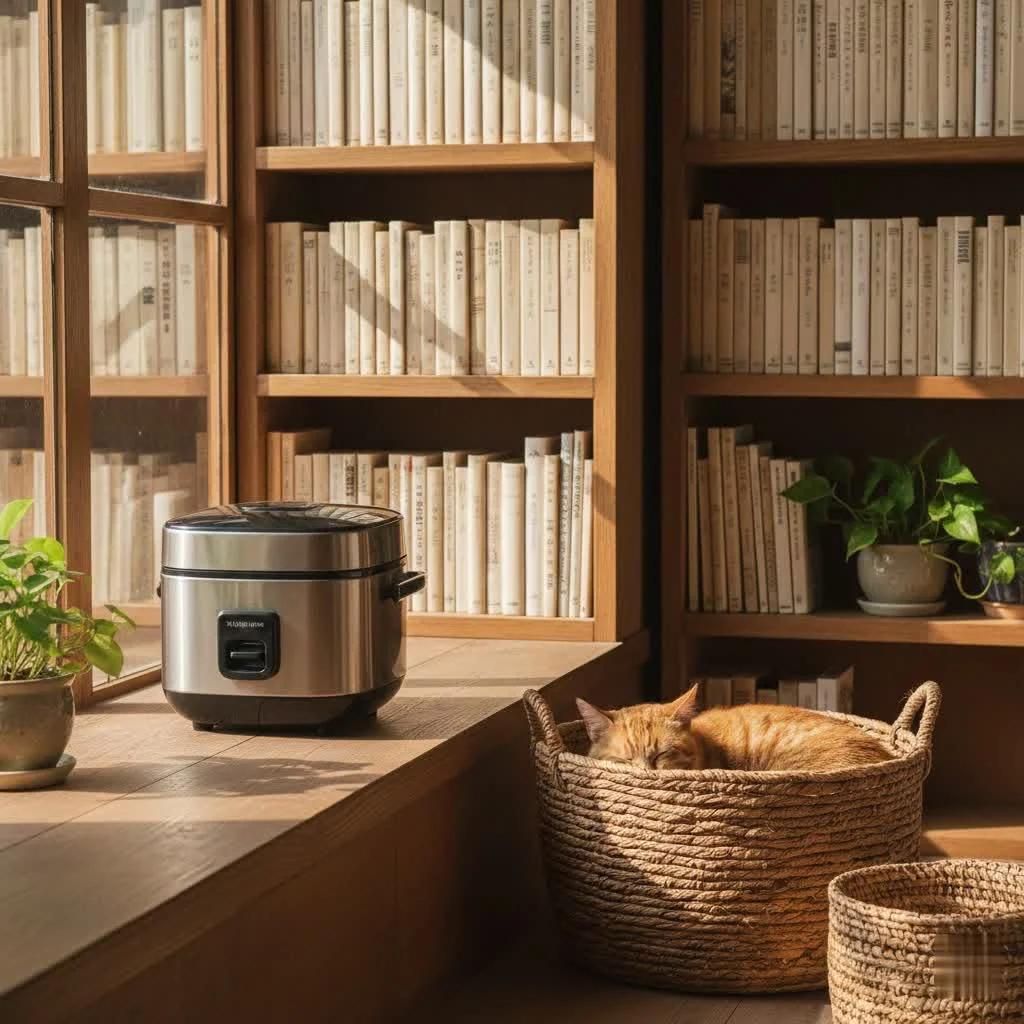 rice cooker on a kitchen counter” style=”margin: 20px auto;width: 800px;max-width: 100%;height: auto” />
Why Choose a 3-Cup Rice Cooker? Perfect for Compact Living
Many households today consist of singles, couples, or small families. For these demographics, a larger rice cooker can be an unnecessary countertop hog, often leading to wasted rice or inefficient cooking cycles for smaller portions. A 3-cup rice cooker, like the offerings from Zojirushi, is specifically engineered to address this need, providing optimal performance for 1-3 servings of rice. It’s about finding that sweet spot of capacity, ensuring you always have fresh, perfectly cooked rice without the excess. For browse all reviews articles on this site.
When we consider the typical living spaces in urban environments or simply kitchens where every inch counts, the compact footprint of a 3-cup unit becomes a significant advantage. It’s designed to be tucked away easily or to sit discreetly on your counter, ready to perform its magic without dominating your workspace. This thoughtful sizing ensures that whether you’re whipping up a quick weeknight meal or preparing a small side dish for a cozy dinner, your Zojirushi 3-cup rice cooker is perfectly suited for the task.
Unpacking the Zojirushi 3-Cup Lineup: Basic vs. Micom
Zojirushi offers a few different takes on the 3-cup capacity, each catering to slightly different needs and preferences. Understanding these distinctions is key to choosing the best Zojirushi 3-cup rice cooker for your home. We generally see two main categories: the straightforward basic models and the more technologically advanced Micom (Microcomputer) models.
The Simplicity of the Zojirushi NHS-06BA (Basic Model)
If you’re looking for an appliance that’s a true “set it and forget it” without a many buttons and settings, the basic Zojirushi 3-cup rice cooker models, such as the NHS-06BA, are your go-to. These units embody simplicity: you add your rice and water, flip a single switch, and let it do its job. They typically feature a clear glass lid, allowing you to peek at your rice as it cooks, which can be quite satisfying.
Pros:
- Affordability: Generally the most budget-friendly Zojirushi option.
- Speed: Excellent at cooking white rice quickly, perfect for busy weeknights.
- Ease of Use: Dead-simple operation with a single switch.
- Easy to Clean: Fewer complex parts mean quicker cleanup.
Cons:
- Limited Settings: Primarily designed for white rice; brown rice might not come out as consistently, sometimes resulting in a slightly uneven texture or a crispier bottom layer.
- Basic Keep Warm: The automatic keep-warm function, while effective, might run a bit hotter than advanced models, potentially affecting texture over long periods.
This basic model is an excellent choice for solo chefs or couples who consume white rice regularly and value speed and simplicity above all else.
The Brainpower of the Zojirushi Micom NS-LGC05XB (Fuzzy Logic)
|
Our Picks for the Best Rice Cooker in 2026
As an Amazon Associate I earn from qualifying purchases.
|
||
| Num | Product | Action |
|---|---|---|
| 1 | TOSHIBA Rice Cooker Small 3-Cup Uncooked– LCD Display with 8 Cooking Functions: Rice, Oatmeal, Mixed Grains and More, NonStick Inner Pot, Grey |

|
| 2 | Aroma Housewares 20 Cup Cooked (10 cup uncooked) Digital Rice Cooker, Slow Cooker, Food Steamer, SS Exterior (ARC-150SB),Black |
|
| 3 | AROMA® Rice Cooker, 3-Cup (Uncooked) / 6-Cup (Cooked), Small Rice Cooker, Oatmeal Cooker, Soup Maker, Auto Keep Warm, 1.5 Qt, White, ARC-363NG |
|
| 4 | AROMA Digital Rice Cooker, 4-Cup (Uncooked) / 8-Cup (Cooked), Steamer, Grain Cooker, Multicooker, 2 Qt, Stainless Steel Exterior, ARC-914SBD |
|
| 5 | Zojirushi NS-ZCC10 5-1/2-Cup Neuro Fuzzy Rice Cooker and Warmer, Premium White |
|
| 6 | Zojirushi Micom 3-Cup Compact Size, Multiple Settings, Stainless Steel Made, Built-In Retractable Power Cord and Easy to Transport Rice Cooker and Warmer |
|
| 7 | Toshiba Mini Rice Cooker, 3 Cups Uncooked Small Rice Cooker, Steamer & Warmer, With Fuzzy Logic And One-Touch Cooking, 24 Hour Delay Timer And Auto Keep Warm Feature, White |
|
| 8 | Aroma Housewares 1.5Qt. Rice & Grain Cooker (ARC-363NGB),Black,6-Cup Cooked / 3-Cup Uncooked |
|
| 9 | AROMA Rice Cooker, 3-Cup (Uncooked) / 6-Cup (Cooked), Small Rice Cooker, Oatmeal Cooker, Soup Maker, Auto Keep Warm, 1.5 Qt, White, ARC-393NG |
|
| 10 | COSORI Rice Cooker 10 Cup, 24h Keep Warm, Non-stick Ceramic Inner Pot, 18 Functions Fuzzy Logic Rice Maker with Stainless Steel Steamer Basket, Sauté, Slow Cooker, Black |
|
Stepping up from the basic model, the Zojirushi Micom 3-cup rice cooker, exemplified by the NS-LGC05XB, is where “smart” cooking truly comes into play. These models feature advanced microcomputer (Micom) or fuzzy logic technology, which allows the cooker to make subtle adjustments to cooking time and temperature based on the type of rice and even small variations in water quantity. It’s like having a tiny chef inside, ensuring perfection every time.
Pros:
- Perfectly Cooked Diverse Grains: Delivers consistently fluffy and evenly cooked results across a wide range of rice types, including white/mixed, sushi, brown, long-grain white, and even specialized settings for GABA brown rice and steel-cut oatmeal.
- Nutritional Benefits (GABA): The unique GABA brown rice setting activates gamma-aminobutyric acid by pre-soaking the rice at a precise temperature, boosting its nutritional value.
- User-Friendly Interface: An intuitive LCD control panel with clock and timer functions makes programming straightforward.
- Triple Heater System: Heat comes from the bottom, sides, and lid, ensuring uniform cooking.
- Convenience Features: A retractable power cord and a fold-down handle enhance portability and storage.
Cons:
- Higher Price Point: These advanced features come with a higher investment compared to basic models.
- Longer Cooking Times: Due to the precise control and sometimes pre-soaking phases (like for GABA brown rice), cooking cycles can be longer than basic models.
- Potential for Uneven Small Portions: While versatile, some users report that cooking very tiny amounts (e.g., half a cup) might occasionally result in slightly uneven texture.
For those who enjoy a variety of grains, appreciate advanced technology, and prioritize superior texture and nutritional benefits, the Micom 3-cup Zojirushi is an investment that truly pays off.
Key Features That Make Zojirushi Stand Out
Beyond the basic versus Micom distinction, certain core features define the Zojirushi experience, regardless of the model.
Fuzzy Logic Technology: Your Rice’s Best Friend
This is the secret sauce behind Zojirushi’s consistent results, particularly in their Micom models. Fuzzy logic allows the rice cooker’s microcomputer to “think” and adjust. It monitors the temperature inside the cooking pan and adapts the cooking cycle based on the thermal readings. If you accidentally add a tiny bit too much water or not quite enough, the fuzzy logic works to compensate, minimizing errors and delivering that perfectly fluffy, slightly sticky rice texture that Zojirushi is famous for. This is especially beneficial for those of us who aren’t always precise with measurements.
Specialized Settings: Beyond Just White Rice
Modern Zojirushi 3-cup rice cookers, especially the Micom versions, are culinary chameleons. They don’t just stop at white rice.
- GABA Brown Rice: This isn’t just cooking brown rice; it’s a dedicated process that soaks the brown rice at approximately 104°F (40°C) for a couple of hours before cooking. This “activation” process significantly increases the gamma-aminobutyric acid (GABA) content, believed to offer health benefits like improved blood pressure.
- Steel Cut Oatmeal: Forget simmering on the stovetop! The steel cut oatmeal setting meticulously cooks this hearty grain to creamy perfection, without the constant stirring or risk of boiling over.
- Sushi Rice, Mixed Rice, Long Grain White: These dedicated settings optimize cooking conditions for each grain type, ensuring ideal texture and flavor.
This versatility transforms the Zojirushi 3-cup rice cooker into a multi-functional kitchen tool, extending its utility beyond just side dishes.
Keep Warm Functionality: Always Ready When You Are
One of the most appreciated features across all Zojirushi models is the automatic keep warm function. Once your rice is cooked, the unit seamlessly transitions to a warming mode, holding your rice at an optimal serving temperature for several hours without drying it out or overcooking the bottom layer. More advanced Micom models may even offer an “Extended Keep Warm” cycle, maintaining perfection for even longer. This means you can cook rice ahead of time and still enjoy it as if it were just freshly made, fitting perfectly into busy schedules.
Design and Durability: Built to Last
Zojirushi has a century-long reputation for quality, and their 3-cup rice cookers uphold this standard. They are built with robust materials, often featuring stainless steel elements for durability and a sleek aesthetic. The compact footprint is intentionally designed for small spaces, and thoughtful additions like a retractable power cord (on Micom models) and a fold-down handle make storage and transport hassle-free. While the nonstick inner pans are incredibly easy to clean, it’s like any nonstick surface, they require careful handling to ensure longevity, and replacements can be an investment.
Is a Zojirushi 3-Cup Rice Cooker Worth the Investment?
This is a question I get asked often. Zojirushi rice cookers, particularly the Micom models, are certainly not the cheapest on the market. However, when we talk about value, we’re looking beyond the initial price tag to consider performance, longevity, and consistency.
For singles, couples, or small families who eat rice regularly, or for those who appreciate perfectly cooked specialized grains like brown rice, sushi rice, or steel-cut oatmeal, a Zojirushi 3-cup rice cooker is absolutely worth the investment. The precision of the fuzzy logic, the dedicated cooking programs, and the consistent results save time, reduce waste, and elevate the quality of your meals. It’s an appliance designed to deliver superior culinary outcomes every single time, making it a cornerstone of a quality-focused kitchen. Think of it as investing in consistently delicious, perfectly textured rice for years to come.
Expert Tips for Maximizing Your Zojirushi 3-Cup Experience
Drawing from my years of experience, here are a few pointers to get the most out of your Zojirushi 3-cup rice cooker:
- Use the Included Measuring Cup: Zojirushi rice cookers come with a specific measuring cup (often 6 oz or 180ml). Always use this cup, not a standard US cup, for accurate water-to-rice ratios, as the water lines inside the pot are calibrated for it.
- Rinse Your Rice: For perfectly fluffy, non-sticky white rice, rinse your grains under cold water until the water runs clear. This removes excess starch.
- Don’t Open the Lid: During the cooking cycle and immediately after it switches to “Keep Warm” (for the first 10-15 minutes), resist the urge to peek! This allows the rice to steam properly and fully absorb the moisture, resulting in ideal texture.
- Utilize Specialized Settings: Experiment with the different menu settings. If your model has a GABA brown rice setting, try it out – the nutritional boost and unique texture are a real treat.
- Clean Regularly: The inner pot and inner lid (if detachable) should be washed after every use with a soft sponge and mild detergent to preserve the nonstick coating and prevent odors.
“Achieving truly exceptional sushi rice isn’t just about the vinegar; it begins with the perfect grain. For my 3-cup Zojirushi, I always recommend using the sushi rice setting, then letting it rest for exactly ten minutes after cooking before fluffing. This resting period is crucial for that ideal, slightly sticky, yet individual grain texture.” – Chef Hiroshi Nakamura
Common Questions About Your Zojirushi 3-Cup Rice Cooker
Here are answers to some of the questions I frequently encounter about these compact marvels:
How long does it take to cook rice in a Zojirushi 3-cup model?
For white rice, basic models can be as quick as 25-30 minutes. Micom models, especially with fuzzy logic adjustments or specialized settings like brown rice or GABA brown rice, can take longer, ranging from 45 minutes to over an hour due to careful soaking and cooking phases.
Can I cook other grains besides rice in my Zojirushi 3-cup cooker?
Absolutely! Many Micom models feature dedicated settings for steel-cut oatmeal. You can also experiment with quinoa or other grains, often by using the white or brown rice settings, adjusting water ratios as needed.
How do I clean the non-stick inner pan?
Always use a soft sponge or cloth and mild dish soap. Avoid abrasive scrubbers or harsh detergents, which can damage the nonstick coating. The inner lid on Micom models is also detachable and should be washed regularly.
What’s the difference between Micom and IH (Induction Heating) in Zojirushi rice cookers?
Micom (Microcomputer) refers to the fuzzy logic technology that intelligently adjusts cooking. IH (Induction Heating) is a heating method where the inner pot itself becomes the heat source, providing extremely precise and even heating. Some larger Zojirushi models combine both Micom and IH technology for ultimate control, but IH is less common in the 3-cup specific models, which often rely on advanced Micom with a triple heater system.
Why is my rice sometimes uneven when cooking small portions?
While Zojirushi excels, cooking very small quantities (e.g., 1/2 cup) in Micom models can occasionally lead to slight texture inconsistencies. Ensure precise water measurement and consider adding an extra tablespoon of water for half a cup to help.
A Small Appliance, A Big Impact
The Zojirushi 3-cup rice cooker, whether it’s a straightforward basic model or a feature-rich Micom unit, is more than just an appliance for cooking rice. It’s a commitment to quality, convenience, and culinary excellence, perfectly sized for modern living. It removes the guesswork and delivers consistently perfect results, freeing you to focus on the rest of your meal. Investing in a Zojirushi 3-cup rice cooker means investing in simpler, healthier, and more delicious home-cooked meals, turning an everyday staple into a consistent delight. Explore the world of perfectly cooked grains and improve your kitchen experience with this compact powerhouse.
Frequently Asked Questions
How long does it take to cook rice in a Zojirushi 3-cup model?
For white rice, basic Zojirushi 3-cup models can cook in 25-30 minutes. Micom models, with their fuzzy logic and specialized settings like brown rice or GABA brown rice, typically take longer, ranging from 45 minutes to over an hour due to precise soaking and cooking phases.
Can I cook other grains besides rice in my Zojirushi 3-cup cooker?
Yes, many Zojirushi Micom models include dedicated settings for steel-cut oatmeal. You can also cook other grains like quinoa by using the white or brown rice settings and adjusting the water ratios as needed for optimal results.
How do I properly clean the non-stick inner pan of my Zojirushi rice cooker?
To clean the non-stick inner pan, always use a soft sponge or cloth and mild dish soap. Avoid abrasive scrubbers or harsh detergents, as these can damage the nonstick coating. The inner lid on Micom models is detachable and should also be washed regularly.
What is the difference between Micom and IH technology in Zojirushi rice cookers?
Micom (Microcomputer) refers to the fuzzy logic technology that intelligently adjusts cooking parameters. IH (Induction Heating) is a heating method where the inner pot itself becomes the heat source for precise, even heating. While some larger Zojirushi models combine both, 3-cup models typically rely on advanced Micom with a triple heater system rather than IH.
Why does rice sometimes cook unevenly when making very small portions?
When cooking very small quantities, such as 1/2 cup, in Micom models, slight texture inconsistencies can occasionally occur. To help mitigate this, ensure precise water measurement and consider adding an extra tablespoon of water for half a cup of rice.
Cooking gear we tested in our own kitchens
Practical specs, not advice. Unsubscribe anytime.

This Zojirushi rice cooker is a lifesaver for our tiny apartment kitchen! We’re a couple, and the 1-3 serving capacity is exactly what we needed. It’s so efficient and the rice is always perfect, whether it’s white or brown. I appreciate how compact it is without sacrificing performance.
We got the Zojirushi Micom model for our small family of three, and it’s been a game-changer. The advanced settings really do make a difference for different rice types. My only minor complaint is that the keep-warm function can sometimes dry out the rice a bit if left for too long, but overall, it’s a fantastic appliance for daily use.
I bought this Zojirushi 3-cup cooker because I heard great things about the brand’s quality. While it does cook rice well, I found the price point a little high for what it offers. It’s good for small batches, but I wish it had a few more features for the cost. Still, it’s reliable and doesn’t take up much counter space.
I absolutely love my Zojirushi 3-cup rice cooker! As someone living alone, I used to struggle with making just the right amount of rice without it drying out or sticking. This little machine is perfect for my small portions, and the rice comes out fluffy every single time. It’s definitely worth the investment for consistent, perfectly cooked rice.