Stepping into the kitchen, many of us dream of a simpler way to prepare staple dishes. For rice lovers, the non-stick rice cooker often feels like a magic wand, promising perfectly cooked grains without the notorious sticky aftermath. As a seasoned appliance engineer and a contributor to Golmz.com, I’ve seen countless innovations in rice cooker technology, but the allure of a non-stick inner pot remains a top priority for convenience and ease. This guide will walk you through everything you need to know about the non-stick rice cooker, from its amazing benefits to how to keep it performing like new for years to come.
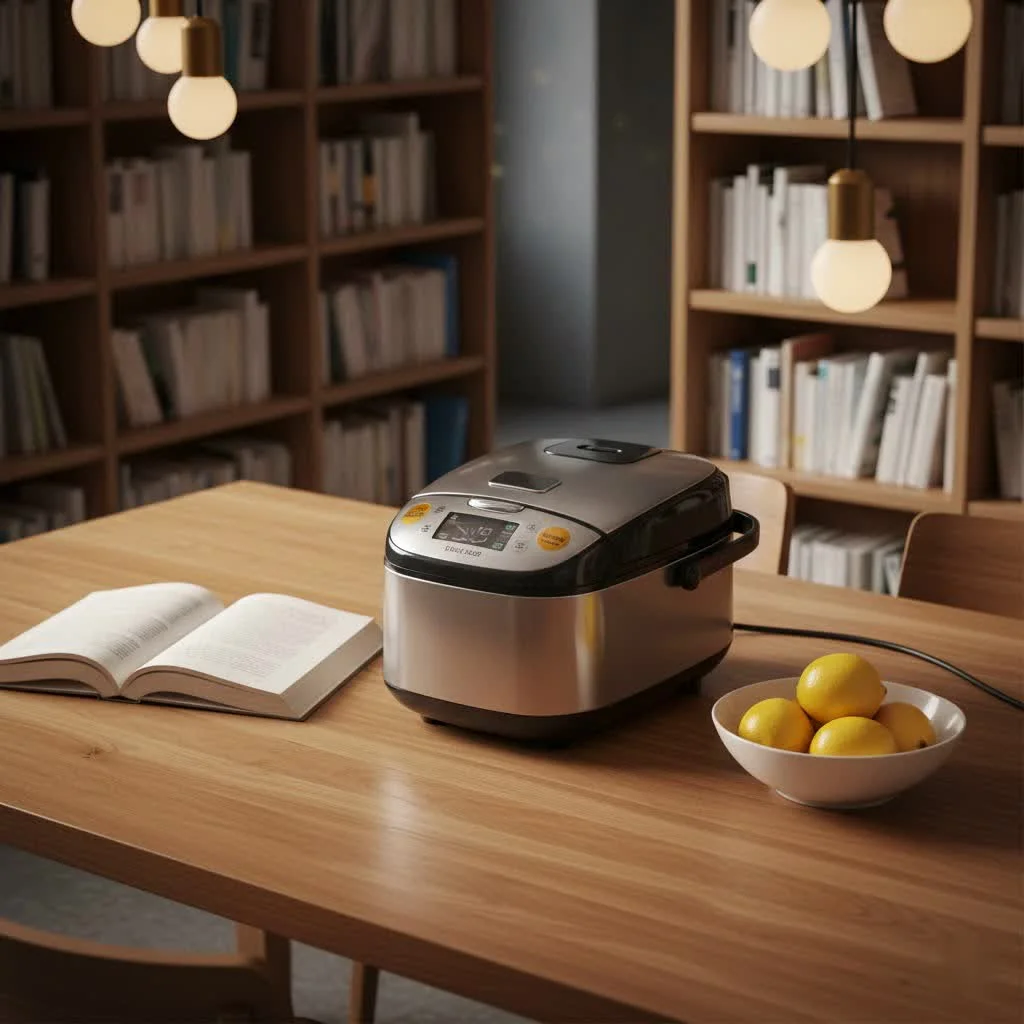
Why Choose a Non-Stick Rice Cooker? The Undeniable Benefits
Imagine serving fluffy, distinct rice grains every single time, with not a single stubborn piece clinging to the pot. That’s the primary promise of a non-stick rice cooker, and it delivers on that promise beautifully. For expert reviews reviews on this site.
Effortless Cooking
The most significant advantage of a non-stick rice cooker is its ability to prevent rice from sticking or burning at the bottom. This means your rice comes out consistently fluffy and delicious, whether you’re making white rice, brown rice, or even a mixed grain blend. You don’t have to worry about scraping off a crusty layer, which ensures every grain is perfectly edible and enjoyable.
Simplified Cleanup
Let’s be honest, who enjoys scrubbing? With a non-stick inner pot, cleanup is a breeze. Cooked rice slides off with minimal effort, often requiring just a gentle wipe or rinse. This feature is a game-changer for busy households, transforming a dreaded chore into a quick and easy task. It saves precious time and effort, making daily cooking much more pleasant.
Time and Energy Saving
Modern non-stick rice cookers come equipped with automatic cooking and warming systems. You simply add your rice and water, press a button, and walk away. The cooker handles the rest, automatically switching to a “keep warm” mode once your rice is perfectly done. This allows you to multitask, focusing on other meal preparations without constantly monitoring a pot on the stove. This hands-off approach truly simplifies meal prep.
Versatility Beyond Rice
While “rice cooker” is in its name, many non-stick models are surprisingly versatile. Equipped with steamer baskets, they can effortlessly steam vegetables, dumplings, or even fish while your rice cooks below. Some advanced models also offer presets for other grains like quinoa or oats, and even functions for stews, soups, or porridge, making them a true multi-tasker in your kitchen.
Understanding Non-Stick Coatings: Beyond Just Teflon
When we talk about non-stick coatings, many immediately think of Teflon. However, the world of non-stick technology has evolved, offering various options with distinct characteristics.
Traditional Non-Stick (PTFE/Teflon)
|
Our Picks for the Best Rice Cooker in 2026
As an Amazon Associate I earn from qualifying purchases.
|
||
| Num | Product | Action |
|---|---|---|
| 1 | TOSHIBA Rice Cooker Small 3-Cup Uncooked– LCD Display with 8 Cooking Functions: Rice, Oatmeal, Mixed Grains and More, NonStick Inner Pot, Grey |

|
| 2 | AROMA Rice Cooker, 3-Cup (Uncooked) / 6-Cup (Cooked), Small Rice Cooker, Oatmeal Cooker, Soup Maker, Auto Keep Warm, 1.5 Qt, White, ARC-393NG |
|
| 3 | Toshiba Mini Rice Cooker, 3 Cups Uncooked Small Rice Cooker, Steamer & Warmer, With Fuzzy Logic And One-Touch Cooking, 24 Hour Delay Timer And Auto Keep Warm Feature, White |
|
| 4 | AROMA Digital Rice Cooker, 4-Cup (Uncooked) / 8-Cup (Cooked), Steamer, Grain Cooker, Multicooker, 2 Qt, Stainless Steel Exterior, ARC-914SBD |
|
| 5 | Aroma Housewares 1.5Qt. Rice & Grain Cooker (ARC-363NGB),Black,6-Cup Cooked / 3-Cup Uncooked |
|
| 6 | Aroma Housewares 20 Cup Cooked (10 cup uncooked) Digital Rice Cooker, Slow Cooker, Food Steamer, SS Exterior (ARC-150SB),Black |
|
| 7 | Zojirushi NS-ZCC10 5-1/2-Cup Neuro Fuzzy Rice Cooker and Warmer, Premium White |
|
| 8 | Zojirushi Micom 3-Cup Compact Size, Multiple Settings, Stainless Steel Made, Built-In Retractable Power Cord and Easy to Transport Rice Cooker and Warmer |
|
| 9 | AROMA® Rice Cooker, 3-Cup (Uncooked) / 6-Cup (Cooked), Small Rice Cooker, Oatmeal Cooker, Soup Maker, Auto Keep Warm, 1.5 Qt, White, ARC-363NG |
|
| 10 | COSORI Rice Cooker 10 Cup, 24h Keep Warm, Non-stick Ceramic Inner Pot, 18 Functions Fuzzy Logic Rice Maker with Stainless Steel Steamer Basket, Sauté, Slow Cooker, Black |
|
Most conventional non-stick rice cooker pots feature a coating made from Polytetrafluoroethylene (PTFE), commonly known by the brand name Teflon.
- Pros: These coatings offer exceptional food release, ensuring virtually no sticking. They also heat up quickly and are generally lightweight and affordable, making non-stick rice cookers accessible to a wide range of budgets.
- Cons: Durability can be a concern, as PTFE coatings are prone to scratches and wear over time, especially with improper use or harsh cleaning. There have also been historical concerns about chemical release if these coatings are overheated (above 500°F/260°C), though modern formulations have largely mitigated these risks for normal cooking temperatures.
Ceramic Non-Stick
A popular alternative gaining traction is ceramic non-stick coatings. These are often made from natural, inorganic materials.
- Pros: Ceramic pots are typically free from chemicals like PTFE and PFOA, making them a “non-toxic” option favored by health-conscious individuals. They distribute heat uniformly, leading to evenly cooked rice, and are excellent at preserving the natural flavors of food. Ceramic surfaces are also generally easy to clean.
- Cons: Ceramic can be more fragile than other materials and requires careful handling to avoid chipping or cracking. They might also come with a slightly higher price tag than basic PTFE-coated models.
Stainless Steel (A Health-Conscious Alternative)
While not inherently “non-stick” in the traditional sense, some rice cookers feature stainless steel inner pots, often preferred for their chemical-free composition and robustness. These usually require a little oil to prevent sticking and might need a short soak for easier cleanup, but they offer unmatched durability and longevity. Many premium stainless steel pots incorporate multi-ply bases (e.g., with aluminum or copper layers) to improve heat distribution.
As “Chef Elena Petrova, a culinary expert with a focus on healthy cooking,” often says, “Choosing your rice cooker’s inner pot material isn’t just about convenience; it’s about aligning with your cooking values, whether that’s ultimate non-stick performance or chemical-free peace of mind.”
How to Choose the Perfect Non-Stick Rice Cooker
Selecting the ideal non-stick rice cooker involves considering a few key factors to ensure it meets your specific needs and kitchen lifestyle.
Capacity: Size Matters
Rice cookers come in various sizes, typically measured in cups of uncooked rice.
- 3-cup to 6-cup: Ideal for individuals, couples, or small families (1-3 people).
- 8-cup to 10-cup: Suitable for medium to large families (4-6 people) or those who frequently entertain.
- Beyond 10-cup: Best for very large families or commercial use.
Always consider how much rice you typically cook and whether you often have leftovers.
Features That Enhance Your Cooking Experience
Beyond the non-stick pot, look for features that add value:
- Automatic Keep-Warm Function: Essential for keeping rice at serving temperature without overcooking.
- Fuzzy Logic Technology: Uses a microcomputer to adjust cooking time and temperature for various rice types, ensuring perfect results every time.
- Preset Programs: Dedicated settings for white rice, brown rice, sushi rice, porridge, steam, or slow cook offer greater versatility.
- Delay Timer: Allows you to set the cooker to start at a later time, so fresh rice is ready exactly when you need it.
- Steamer Basket: A great addition for healthy side dishes or full meals.
- Retractable Cord: Convenient for storage and keeps your countertop tidy.
Brand Reputation and Durability
Investing in a non-stick rice cooker from a reputable brand often means a more durable non-stick coating and better overall performance. Brands known for quality tend to use higher-grade materials and offer better warranties, giving you peace of mind about the longevity of your appliance. Always look for reviews that specifically mention the durability of the non-stick interior.
Budget vs. Quality: Finding the Right Balance
While entry-level non-stick rice cookers are very affordable, remember that a slightly higher investment can often mean a more robust coating, more advanced features, and a longer lifespan. Consider your usage frequency: if you cook rice daily, a more premium model might offer better long-term value by reducing the need for replacements.
Mastering Your Non-Stick Rice Cooker: Tips for Longevity and Performance
A non-stick rice cooker is a fantastic tool, but its magic depends on proper care. Here’s how to ensure your non-stick pot stays in pristine condition and delivers perfectly cooked rice batch after batch.
Proper Usage Techniques
- Measure Accurately: Always use the measuring cup provided with your rice cooker, as it’s often calibrated differently from standard US cups. Follow the water lines marked inside the pot for optimal results for different rice types.
- Rinse Your Rice: Rinsing rice thoroughly before cooking removes excess starch. This not only leads to fluffier rice but also helps prevent sticking and residue buildup, especially important for maintaining your non-stick surface.
- Add a Touch of Oil (Optional): For extra insurance against sticking, especially with older pots or stickier rice varieties, a few drops of cooking oil (like vegetable or canola) can be added to the inner pot before cooking.
Caring for the Non-Stick Pot
The key to a long-lasting non-stick rice cooker lies in gentle handling.
- Use Soft Utensils: Never use metal spoons, spatulas, or forks directly in your non-stick pot. These can easily scratch and damage the coating. Always opt for the plastic rice paddle that typically comes with the cooker, or use silicone or wooden utensils.
- Gentle Washing is Key: After each use, allow the inner pot to cool completely. Then, fill it with warm, soapy water and let it soak for 10-15 minutes to loosen any stuck-on food. Use a soft sponge or a non-abrasive cloth to gently scrub. Avoid steel wool, scouring pads, or harsh chemical cleaners, as they will degrade the non-stick surface.
- Avoid Extreme Temperature Changes: Do not place a hot non-stick pot under cold water, as this can warp the metal and potentially damage the coating. Let it cool naturally.
Cleaning Beyond the Pot
Don’t forget the other parts of your non-stick rice cooker:
- Lid: If removable, wash with warm, soapy water and a soft sponge. For non-removable lids, wipe down the interior surface with a damp cloth. Pay attention to crevices where steam and food splatters can accumulate.
- Heating Plate and Sensors: Ensure the heating plate at the bottom of the main unit is clean. Unplug the cooker and let it cool, then gently wipe off any rice grains or residue with a soft, damp cloth. Avoid getting water into electrical components.
- Dew Collector/Steam Vent: Many models have a removable dew collector or steam vent. Clean these regularly to prevent clogs and ensure efficient operation.
Common Concerns About Non-Stick Rice Cookers Addressed
It’s natural to have questions about an appliance you use frequently, especially one with a non-stick coating. Let’s tackle some common concerns.
Is My Non-Stick Rice Cooker Safe?
Modern non-stick coatings, particularly PTFE, are generally considered safe for everyday cooking when used correctly and not overheated. The primary concern with older PTFE coatings was the use of PFOA (perfluorooctanoic acid) in their manufacturing process, but reputable manufacturers have largely phased out PFOA in non-stick cookware. To ensure safety, avoid overheating an empty non-stick pot and replace it if the coating becomes significantly damaged. Ceramic non-stick options offer a chemical-free alternative for those seeking maximum reassurance.
What if the Non-Stick Coating Scratches?
A minor scratch or two might not be an immediate cause for alarm, but if the non-stick coating starts peeling, flaking, or shows extensive damage, it’s generally recommended to replace the inner pot. Tiny flakes of coating can mix with your food. Some manufacturers offer replacement pots, which can be a more economical solution than buying an entirely new non-stick rice cooker. In the short term, if you have a slight scratch and are waiting for a replacement, adding a bit more cooking oil can help reduce sticking.
Frequently Asked Questions
Q1: How do I prevent rice from sticking even in a non-stick cooker?
A1: While non-stick pots significantly reduce sticking, proper technique helps further. Always rinse your rice thoroughly to remove excess starch. Ensure you’re using the correct rice-to-water ratio as specified by your cooker’s manual and measuring cup. A tiny bit of oil can also be added for extra insurance.
Q2: Can I use metal utensils in my non-stick rice cooker?
A2: Absolutely not! Metal utensils are the primary cause of damage to non-stick coatings. Always use the plastic rice paddle provided with your cooker or opt for silicone or wooden tools to preserve the non-stick surface.
Q3: How often should I replace my non-stick rice cooker pot?
A3: The lifespan of a non-stick pot depends heavily on usage and care. If the coating shows significant scratches, peeling, or flaking, it’s time to replace it. For heavy users, this might be every few years, while for occasional use, it could last much longer with proper care.
Q4: Are ceramic non-stick rice cookers better than Teflon?
A4: “Better” is subjective and depends on your priorities. Ceramic non-stick pots are often favored for being chemical-free and non-toxic, offering even heating. However, they can be more fragile. Teflon (PTFE) coatings offer superior non-stick performance and are generally more affordable, with modern versions being PFOA-free.
Q5: Can I cook other foods besides rice in my non-stick rice cooker?
A5: Yes, many non-stick rice cookers are quite versatile! Beyond cooking various types of rice, most models can steam vegetables using a steamer basket. Higher-end models often include presets for oats, quinoa, soups, stews, or even cake, making them a handy multi-cooker.
Your Journey to Perfect, Hassle-Free Rice
The non-stick rice cooker stands as a testament to how intelligent kitchen design can transform daily routines. It’s more than just an appliance; it’s an invitation to simpler, more enjoyable cooking, ensuring that perfectly fluffy rice is always within reach. By understanding the nuances of non-stick coatings, making an informed choice, and committing to proper care, your non-stick rice cooker will be a cherished companion in your kitchen for years to come, making every meal a little easier and a lot more delicious. Embrace the convenience, master the care, and savor the perfection that a quality non-stick rice cooker brings to your table.
Cooking gear we tested in our own kitchens
Practical specs, not advice. Unsubscribe anytime.