There’s an undeniable joy that comes with perfectly cooked rice – fluffy, tender, and distinct grains that elevate any meal. Yet, for many home cooks, achieving this consistency on the stovetop can feel like a culinary challenge, a delicate balance of timing, temperature, and watchful waiting. That’s where a truly best rated rice cooker enters the kitchen, transforming a tricky task into a foolproof pleasure. At Golmz.com, where I’ve spent over a decade dissecting and evaluating kitchen appliances, especially rice cookers, we understand that finding the right one isn’t just about convenience; it’s about unlocking culinary potential and saving precious time.
Why a Dedicated Rice Cooker is a Kitchen Essential
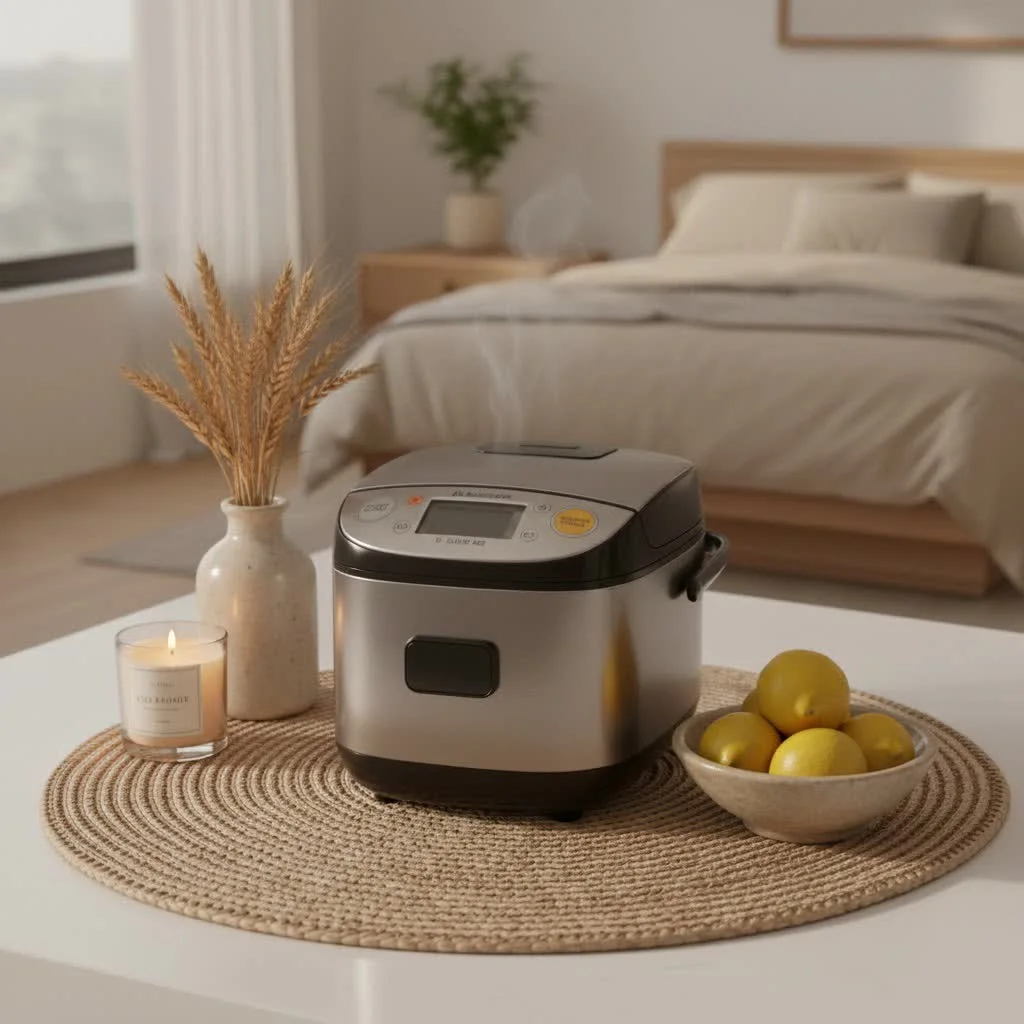
You might wonder if a dedicated rice cooker is truly necessary when stovetop methods exist. From my experience, it’s a resounding yes. A high-quality rice cooker removes all the guesswork, consistently delivering ideal results whether you’re making a simple side dish or preparing a complex Asian-inspired feast. It frees up valuable stovetop space, allowing you to focus on other components of your meal. Moreover, modern rice cookers are far more versatile than their predecessors, often doubling as steamers, slow cookers, and even porridge makers.
“A rice cooker isn’t just a gadget; it’s an investment in consistently excellent meals and a stress-free kitchen experience,” states Dr. Arata Tanaka, a renowned food science expert. “The precision cooking it offers ensures optimal starch gelatinization, which is the secret to perfect rice texture every single time.”
Decoding the World of Rice Cookers: Types and Technologies
The market for rice cookers has evolved dramatically. What once was a simple ‘on/off’ device is now a sophisticated piece of engineering, with different technologies catering to diverse needs and budgets. Understanding these types is the first step in identifying the best rated rice cooker for your home.
The Simple & Reliable: Mechanical Rice Cookers
These are the foundational models, often the most budget-friendly entry point into the world of hands-off rice cooking. Mechanical rice cookers operate on a straightforward principle: a heating element boils water, and once the water is absorbed or evaporated, a thermostat senses the temperature rise and switches the cooker to a “keep warm” setting.
- Pros: Extremely affordable, very easy to operate with often just one button, compact, and durable for basic needs.
- Cons: Limited functionality (usually just white rice), less precise temperature control, and can sometimes result in slightly crusty rice at the bottom.
- Ideal User: Students, singles, or those who cook white rice infrequently and value simplicity and cost-effectiveness above all else.
The Smart Choice: Micom (Fuzzy Logic) Rice Cookers
|
Our Picks for the Best Rice Cooker in 2026
As an Amazon Associate I earn from qualifying purchases.
|
||
| Num | Product | Action |
|---|---|---|
| 1 | AROMA® Rice Cooker, 3-Cup (Uncooked) / 6-Cup (Cooked), Small Rice Cooker, Oatmeal Cooker, Soup Maker, Auto Keep Warm, 1.5 Qt, White, ARC-363NG |

|
| 2 | TOSHIBA Rice Cooker Small 3-Cup Uncooked– LCD Display with 8 Cooking Functions: Rice, Oatmeal, Mixed Grains and More, NonStick Inner Pot, Grey |
|
| 3 | AROMA Rice Cooker, 3-Cup (Uncooked) / 6-Cup (Cooked), Small Rice Cooker, Oatmeal Cooker, Soup Maker, Auto Keep Warm, 1.5 Qt, White, ARC-393NG |
|
| 4 | Aroma Housewares 20 Cup Cooked (10 cup uncooked) Digital Rice Cooker, Slow Cooker, Food Steamer, SS Exterior (ARC-150SB),Black |
|
| 5 | Zojirushi NS-ZCC10 5-1/2-Cup Neuro Fuzzy Rice Cooker and Warmer, Premium White |
|
| 6 | Aroma Housewares 1.5Qt. Rice & Grain Cooker (ARC-363NGB),Black,6-Cup Cooked / 3-Cup Uncooked |
|
| 7 | AROMA Digital Rice Cooker, 4-Cup (Uncooked) / 8-Cup (Cooked), Steamer, Grain Cooker, Multicooker, 2 Qt, Stainless Steel Exterior, ARC-914SBD |
|
| 8 | Toshiba Mini Rice Cooker, 3 Cups Uncooked Small Rice Cooker, Steamer & Warmer, With Fuzzy Logic And One-Touch Cooking, 24 Hour Delay Timer And Auto Keep Warm Feature, White |
|
| 9 | Zojirushi Micom 3-Cup Compact Size, Multiple Settings, Stainless Steel Made, Built-In Retractable Power Cord and Easy to Transport Rice Cooker and Warmer |
|
| 10 | COSORI Rice Cooker 10 Cup, 24h Keep Warm, Non-stick Ceramic Inner Pot, 18 Functions Fuzzy Logic Rice Maker with Stainless Steel Steamer Basket, Sauté, Slow Cooker, Black |
|
Stepping up in sophistication, Micom (short for Microcomputerized) rice cookers employ “fuzzy logic” technology. This is where the appliance truly starts to think for itself. Equipped with a microchip, these cookers can make minor adjustments to cooking time and temperature based on the type of rice (white, brown, sushi, etc.), the amount of rice, and even ambient temperature. This intelligent approach ensures a more consistent and perfectly cooked grain.
- Pros: Exceptional consistency, handles various rice types with specific presets, often includes delay timers and extended keep-warm functions (up to 12 hours). Many offer quick-cook settings without sacrificing quality.
- Cons: More expensive than mechanical models, longer cooking times for some settings as the fuzzy logic carefully processes the rice.
- Ideal User: Home cooks who prepare rice regularly, appreciate versatility, and want consistently perfect results across different rice varieties.
Precision Perfected: Induction Heating (IH) Rice Cookers
For those who demand the absolute best in rice texture, Induction Heating (IH) models are a game-changer. Instead of a single heating element at the bottom, IH rice cookers use magnetic fields to heat the entire inner pot directly and uniformly. This even distribution of heat leads to more precise temperature control and more consistent cooking throughout the entire batch of rice. The result is incredibly fluffy, tender, and distinct grains every time.
- Pros: Superior rice quality with unparalleled texture and consistency, precise temperature control, often faster cooking than Micom models (especially with turbo modes).
- Cons: Significantly higher price point, can be slower for certain rice types, as they prioritize thorough cooking.
- Ideal User: Rice aficionados, those who frequently cook Asian rice varieties like Japanese short-grain or sushi rice, and anyone willing to invest in premium performance.
The Ultimate Performer: Pressure Induction Heating (PIH) Rice Cookers
The pinnacle of rice cooker technology, Pressure Induction Heating (PIH) models combine the uniform heating of IH with the benefits of pressure cooking. By cooking under pressure, these machines force moisture deep into each grain, reducing cooking times and enhancing the flavor and texture of even tougher grains like brown rice. They often feature advanced multi-cook settings and touchscreens.
- Pros: Fastest cooking times, especially for larger batches or brown rice, produces the most tender and flavorful rice, often includes advanced features like customizable settings and GABA rice presets.
- Cons: The most expensive category, can be quite large and heavy, requiring dedicated counter space.
- Ideal User: Culinary enthusiasts, large families, or anyone seeking the absolute fastest and most superior rice cooking experience, regardless of budget.
What to Look for in the Best Rated Rice Cooker: Key Features
When evaluating a best rated rice cooker, several features contribute to its overall performance and user satisfaction. Consider these aspects to narrow down your choice:
Capacity Considerations
Rice cookers are measured by their uncooked rice capacity, typically ranging from 3 cups to 10 cups (which translates to 6 to 20 cups of cooked rice).
- Small (1-3 cups uncooked): Perfect for singles, couples, or small households (e.g., Dash Mini, Zojirushi 3-cup).
- Medium (4-6 cups uncooked): Suitable for average families of 3-5 people (e.g., Zojirushi Neuro Fuzzy 5.5-cup, Cuckoo 6-cup Micom).
- Large (8-10+ cups uncooked): Ideal for large families, entertaining, or meal prepping (e.g., Tiger 10-cup, Cuckoo 10-cup).
Cooking Functions & Presets
The more versatile your rice cooker, the more value it adds to your kitchen. Look for models with dedicated settings for:
- White Rice: Standard cooking for various white rice types.
- Brown Rice: Longer cooking times and specific temperatures to ensure brown rice is perfectly tender, not chewy.
- Sushi Rice: Often a slightly stickier texture.
- Porridge/Congee: Slower, gentler cooking for creamy results.
- Quick Cook: Speeds up the process when you’re in a hurry, sometimes with slight texture trade-offs.
- Steam/Slow Cook: Many models include baskets or settings for steaming vegetables, dumplings, or even slow-cooking stews.
- GABA Rice: A specialized setting for germinated brown rice, enhancing its nutritional profile.
Inner Pot Material
The material of the inner pot significantly impacts durability, cooking performance, and ease of cleaning.
- Non-stick (Teflon/PFOA-free): Most common, prevents rice from sticking, easy to clean. Ensure it’s durable and high-quality.
- Ceramic: A natural alternative to non-stick, often excellent for even heat distribution.
- Stainless Steel: Durable and non-reactive, but may require a bit more care to prevent sticking.
Convenience Features
Modern rice cookers boast features that truly enhance the user experience:
- Keep Warm Function: Automatically switches to keep warm mode after cooking, maintaining ideal temperature and texture for hours (some up to 12 hours).
- Delay Timer: Set it and forget it! Program your rice to be ready exactly when you need it.
- Automatic Shut-off: Safety feature that turns off the heating element when cooking is complete or dry.
- Self-Cleaning: Some advanced Cuckoo models even offer a self-clean function.
User Interface
From simple buttons to intuitive digital displays and even voice guidance, the interface should be easy to understand and operate. Touchscreens and clear LED screens are common in higher-end models. Some innovative models, like the KitchenAid Grain and Rice Cooker, feature a built-in scale and water tank, automatically dispensing the right amount of water for your grains.
Expert Tips for Mastering Your Rice Cooker
Even with the best rated rice cooker, a few simple practices can make all the difference in achieving consistently perfect results:
- Measure with Care: Always use the measuring cup provided with your rice cooker, as it’s often slightly smaller than a standard U.S. cup and calibrated to the water lines inside the pot.
- Rinse Your Rice: A quick rinse under cold water until it runs clear removes excess starch, preventing sticky or mushy rice. This is crucial for fluffy results.
- Don’t Lift the Lid: Resist the temptation! The steam buildup is essential for proper cooking and absorption.
- Fluff, Then Serve: Once the cooking cycle is complete and the rice has rested (often in “keep warm” mode for 5-10 minutes), gently fluff it with a rice paddle to release excess steam and separate the grains.
- Proper Cleaning and Maintenance: Regularly clean the inner pot, lid, and steam vent. Most inner pots are non-stick and easy to hand wash, some are even dishwasher safe. This prevents odors and maintains efficiency.
Beyond Rice: Unlock Your Rice Cooker’s Full Potential
One of the most delightful aspects of today’s best rated rice cooker models is their versatility. They’re not just for rice anymore!
- Steaming Sensations: Use the included steaming basket to steam vegetables, fish, or dumplings while your rice cooks below. It’s a fantastic way to prepare a healthy, complete meal in one appliance.
- One-Pot Wonders: Many models are perfectly suited for making flavorful one-pot meals, from chicken and rice dishes to lentil stews and even chili. The “Synchro-Cooking” feature on some Tiger models allows you to cook an entree and rice simultaneously.
- Breakfast Boosts: Prepare creamy oatmeal, quinoa porridge, or even grits with ease. The delay timer is perfect for waking up to a hot, ready-made breakfast.
- Sweet Treats: Believe it or not, some rice cookers can bake cakes, frittatas, or even simple cheesecakes directly in the inner pot!
Frequently Asked Questions About Rice Cookers
Choosing the right appliance can bring up many questions. Here are some common inquiries we hear at Golmz.com:
What is fuzzy logic in a rice cooker?
Fuzzy logic refers to a microcomputer chip that allows the rice cooker to make intelligent adjustments to cooking time and temperature. It “senses” the rice type, amount, and water levels, then fine-tunes the cooking process for consistently optimal results, similar to how a human cook might make subtle changes.
How long does a good rice cooker last?
A well-made and well-maintained rice cooker, especially those from reputable brands known for their durability, can last for 10-20 years or even longer. Brands like Zojirushi are often cited for their long lifespan.
Can I cook other grains besides rice?
Absolutely! Most Micom, IH, and PIH rice cookers come with preset functions for various grains like quinoa, steel-cut oats, millet, and barley. Even simpler models can often handle them with minor adjustments to the water ratio.
Is an expensive rice cooker worth it?
For frequent rice eaters or those who prioritize perfect texture and a wide range of functions, an expensive IH or PIH rice cooker is often considered a worthwhile investment. The consistency, convenience, and versatility they offer can significantly enhance your cooking experience.
How do I clean my rice cooker?
After each use, clean the inner pot, lid, and any removable steam vents with warm, soapy water. Most non-stick inner pots are easy to clean by hand. Avoid abrasive scrubbers that could damage the non-stick coating. Some advanced models even have self-cleaning cycles.
What capacity rice cooker do I need?
Consider your household size and how often you cook rice. A 3-cup model is typically good for 1-2 people, a 5.5-cup for 3-5 people, and a 10-cup for larger families or frequent entertaining.
What’s the difference between IH and Micom rice cookers?
Micom (fuzzy logic) rice cookers use a heating element at the bottom and a microchip to intelligently manage cooking. Induction Heating (IH) rice cookers use magnetic fields to heat the entire inner pot directly and more uniformly, leading to superior texture and faster cooking, often combined with fuzzy logic for intelligent control.
Conclusion
Choosing the best rated rice cooker is more than just buying an appliance; it’s about investing in consistently perfect meals, unparalleled convenience, and expanding your culinary horizons. As an appliance engineer and content writer for Golmz.com, I’ve seen firsthand how the right rice cooker can transform a kitchen. Whether you opt for a simple mechanical model, a smart fuzzy logic cooker, or a high-tech induction heating marvel, the goal remains the same: effortlessly delicious rice every time. Take the time to consider your needs, explore the options, and soon you’ll be enjoying perfectly cooked grains, making every meal a little more special. Your journey to rice perfection starts here.
Cooking gear we tested in our own kitchens
Practical specs, not advice. Unsubscribe anytime.