For those who cherish perfectly cooked rice, a staple in countless meals around the globe, the Japanese rice cooker isn’t just another kitchen appliance—it’s an engineering marvel. Imagine the comforting aroma of fluffy, perfectly textured rice wafting through your home, ready at the touch of a button, consistently delivering restaurant-quality results. This is the promise of a Japanese rice cooker, a testament to centuries of culinary dedication and modern technological innovation. At Golmz.com, we believe that understanding your tools is the first step to culinary mastery, and when it comes to rice, the right Japanese rice cooker can truly transform your kitchen experience.
Beyond the Basics: What Makes a Japanese Rice Cooker Special?
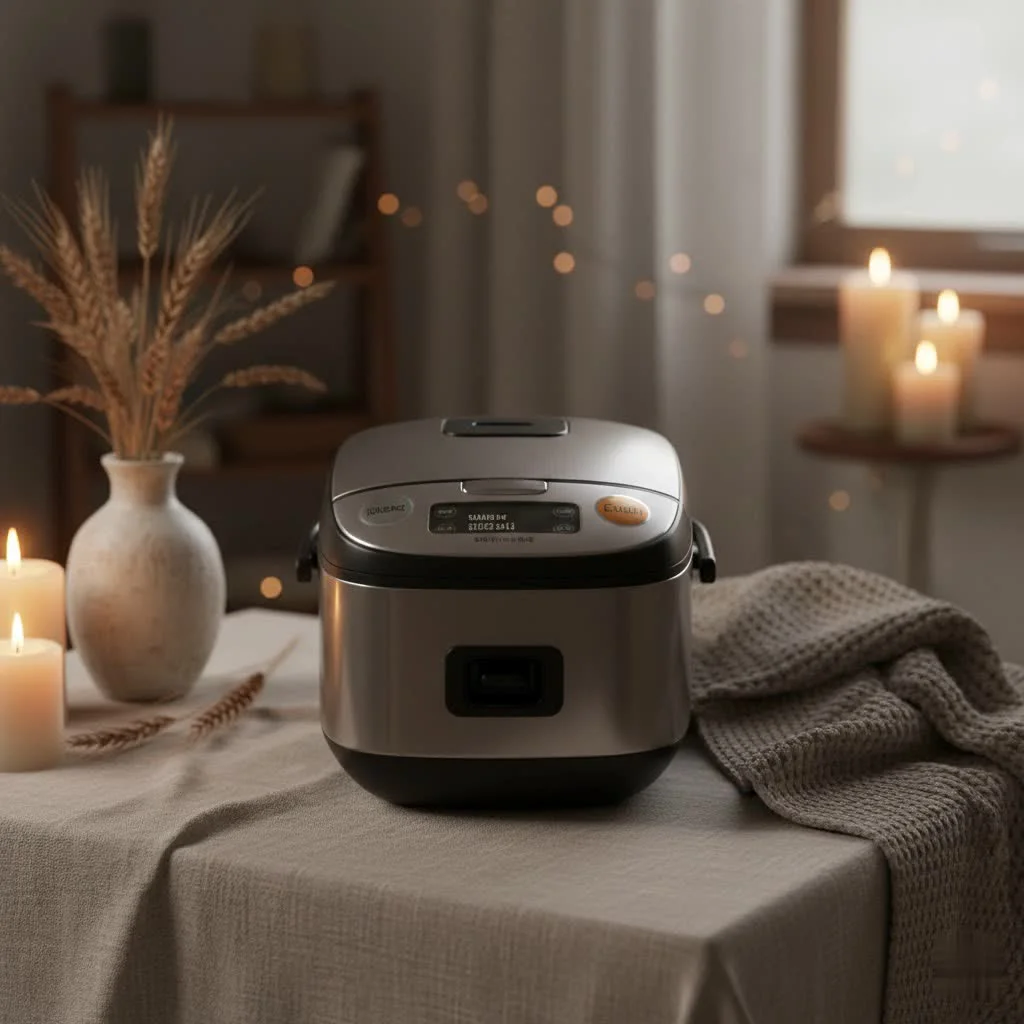
Japanese rice cookers stand in a league of their own, renowned for their precision, consistency, and unparalleled ease of use. They are designed not just to cook rice, but to perfect it, ensuring every grain is evenly cooked, retaining its natural flavor and ideal texture. This dedication stems from rice being the heart of Japanese cuisine, a daily staple that demands nothing less than perfection.
The Philosophy of Precision: Why Japanese Rice Cookers Excel
The difference between a basic rice cooker and a premium Japanese model is like night and day. While conventional cookers often rely on simple heating elements and bimetallic switches that cut off heat once water evaporates, leading to inconsistent results, Japanese rice cookers employ sophisticated systems to monitor and adjust the cooking process. This meticulous approach guarantees that your rice comes out exactly right, every single time. It’s a hands-free operation where you simply measure, add water, and press a button, trusting the appliance to do the rest.
Core Technologies that Elevate Rice Cooking
The magic behind the consistently perfect results of a Japanese rice cooker lies in its advanced technologies.
1. Micom (Microcomputer/Fuzzy Logic): The “Brain” of the Cooker
Many Japanese rice cookers feature Micom, or microcomputer-controlled, technology, often referred to as “fuzzy logic.” This intelligent system acts as the cooker’s brain, making automatic adjustments to cooking time and temperature. It can detect and compensate for variables like the type of rice, the age of the grains (new crop vs. old crop), and even minor deviations in water quantity. This ensures that whether you’re making short-grain white rice, brown rice, or sticky rice, it’s cooked to perfection without you needing to be an expert.
2. Induction Heating (IH): Even Heat, Superior Results
For even faster and more precise cooking, many high-end Japanese rice cookers utilize Induction Heating (IH) technology. Unlike conventional heating elements that heat from the bottom, IH technology generates a magnetic field that heats the entire inner pot uniformly. This allows for incredibly fine temperature adjustments throughout the cooking cycle, ensuring that every grain of rice receives consistent heat, preventing uneven cooking and burnt spots. The result is superior texture and flavor from top to bottom.
3. Pressure Cooking: Unlocking Deeper Flavors and Textures
Some of the most advanced Japanese rice cookers combine IH with pressure cooking. By cooking under increased pressure, moisture is sealed in, and temperatures can reach higher levels, leading to fluffier, stickier, and often faster-cooked rice. Pressure IH models often feature multiple pressure settings, allowing you to fine-tune the texture from softer to firmer, bringing out a deeper umami flavor in every grain. This technology transforms standard rice into a truly exquisite experience.
Types of Japanese Rice Cookers: Finding Your Perfect Match
The world of Japanese rice cookers offers a spectrum of choices, each designed to cater to different needs and budgets. Understanding the types will help you narrow down the best Japanese rice cooker for your home.
A. Basic Micom Rice Cookers: Reliable Performance for Everyday
|
Our Picks for the Best Rice Cooker in 2026
As an Amazon Associate I earn from qualifying purchases.
|
||
| Num | Product | Action |
|---|---|---|
| 1 | AROMA Digital Rice Cooker, 4-Cup (Uncooked) / 8-Cup (Cooked), Steamer, Grain Cooker, Multicooker, 2 Qt, Stainless Steel Exterior, ARC-914SBD |

|
| 2 | AROMA Rice Cooker, 3-Cup (Uncooked) / 6-Cup (Cooked), Small Rice Cooker, Oatmeal Cooker, Soup Maker, Auto Keep Warm, 1.5 Qt, White, ARC-393NG |
|
| 3 | TOSHIBA Rice Cooker Small 3-Cup Uncooked– LCD Display with 8 Cooking Functions: Rice, Oatmeal, Mixed Grains and More, NonStick Inner Pot, Grey |
|
| 4 | AROMA® Rice Cooker, 3-Cup (Uncooked) / 6-Cup (Cooked), Small Rice Cooker, Oatmeal Cooker, Soup Maker, Auto Keep Warm, 1.5 Qt, White, ARC-363NG |
|
| 5 | COSORI Rice Cooker 10 Cup, 24h Keep Warm, Non-stick Ceramic Inner Pot, 18 Functions Fuzzy Logic Rice Maker with Stainless Steel Steamer Basket, Sauté, Slow Cooker, Black |
|
| 6 | Zojirushi Micom 3-Cup Compact Size, Multiple Settings, Stainless Steel Made, Built-In Retractable Power Cord and Easy to Transport Rice Cooker and Warmer |
|
| 7 | Aroma Housewares 20 Cup Cooked (10 cup uncooked) Digital Rice Cooker, Slow Cooker, Food Steamer, SS Exterior (ARC-150SB),Black |
|
| 8 | Toshiba Mini Rice Cooker, 3 Cups Uncooked Small Rice Cooker, Steamer & Warmer, With Fuzzy Logic And One-Touch Cooking, 24 Hour Delay Timer And Auto Keep Warm Feature, White |
|
| 9 | Aroma Housewares 1.5Qt. Rice & Grain Cooker (ARC-363NGB),Black,6-Cup Cooked / 3-Cup Uncooked |
|
| 10 | Zojirushi NS-ZCC10 5-1/2-Cup Neuro Fuzzy Rice Cooker and Warmer, Premium White |
|
These models offer the foundational benefits of Japanese engineering, using fuzzy logic to ensure consistent results. They are typically more affordable than IH or pressure models but still deliver significantly better rice than conventional stovetop methods or basic on/off rice cookers. They often come with settings for white and brown rice, and a reliable keep-warm function.
B. IH Rice Cookers: The Next Level of Precision
Stepping up from basic Micom models, IH rice cookers incorporate induction heating for more precise temperature control and even cooking. These are a fantastic mid-range option for those who want excellent rice quality and faster cooking times without the higher price tag of pressure models. They usually include more specialized settings for various rice types.
C. Pressure IH Rice Cookers: The Connoisseur’s Choice
Representing the pinnacle of Japanese rice cooker technology, Pressure IH models combine the benefits of induction heating with pressure cooking. They are designed for rice connoisseurs who demand the absolute best in texture, flavor, and consistency. While they come with a higher price, the investment is justified by their ability to produce exceptionally fluffy, flavorful, and perfectly cooked rice every time, along with enhanced durability.
D. Multi-Functional Wonders: Tacook and Beyond
Many Japanese rice cookers offer impressive versatility beyond just cooking rice. Brands like Tiger feature the “Tacook” synchronized cooking system, which allows you to cook rice and a main dish or side dish simultaneously using a special cooking plate. Other models include settings for porridge, sweet rice, sushi rice, mixed rice, GABA brown rice (sprouted brown rice for enhanced nutrients), steaming vegetables, and even baking cakes. These multi-functional capabilities make a Japanese rice cooker a true workhorse in the kitchen.
Key Features to Look For: A Buyer’s Guide
Choosing the best Japanese rice cooker involves considering several key features that contribute to its performance, durability, and convenience.
A. The Inner Pot: More Than Just a Bowl
The inner pot is crucial. High-quality Japanese rice cookers feature thick, multi-layered inner pots, often made from materials like stainless steel, aluminum, or cast iron, sometimes coated with materials like platinum, copper, or earthenware. These specialized pots distribute heat evenly, retain heat effectively, and contribute significantly to the taste and texture of the rice. A durable, non-stick coating is also essential for easy cleaning and to prevent rice from sticking.
B. Versatile Menu Settings: Catering to Every Grain
A good Japanese rice cooker will offer multiple cooking settings tailored to different varieties of rice and grains. Look for specific options for white rice, brown rice, sushi rice, sweet rice, mixed rice, and quick cook functions. Some advanced models even have specific settings for long-grain rice or unique preparation methods like “GABA brown rice” for improved nutritional value.
C. The “Keep Warm” Function: Fresh Rice, Anytime
One of the standout features of a Japanese rice cooker is its advanced “keep warm” function. Unlike basic models that can dry out or overcook rice, these cookers maintain an optimal temperature and moisture level for extended periods—often up to 12-24 hours, with some models even going up to 36 hours—without sacrificing texture or flavor. This is incredibly convenient for busy households or meal prep.
D. Convenience Features: Delay Timers, Easy Cleaning, and Smart Design
Modern Japanese rice cookers are designed for user-friendliness. Look for features like:
- Delay Timer (Yoyaku): Allows you to set the cooker to start at a later time, so you can wake up or come home to freshly cooked rice.
- Easy-to-Read LCD Displays: Intuitive interfaces make selecting settings straightforward.
- Detachable Inner Lids and Steam Vents: Crucial for thorough cleaning and hygiene.
- Retractable Power Cords: For tidy storage.
- Measuring Cup and Rice Paddle (Shamoji): Usually included and specifically designed for use with the cooker’s inner pot.
E. Capacity Considerations: From Solo Meals to Family Feasts
Japanese rice cookers come in various capacities, typically measured in “cups” of uncooked rice (1 Japanese rice cooker cup is 180ml, roughly ¾ US cup).
- 3-cup (0.54L): Ideal for singles or couples.
- 5.5-cup (1.0L): Perfect for small families (3-5 people).
- 10-cup (1.8L): Suitable for larger families or those who frequently entertain.
Choose a capacity that matches your household’s needs to avoid cooking too little or too much.
Japanese Rice Cookers vs. Conventional Models: A Clear Difference
While both types of appliances cook rice, the experience and results they deliver are vastly different. Understanding these distinctions highlights why investing in a quality Japanese rice cooker is worthwhile.
A. Heating Methods and Control
Conventional rice cookers typically use a single heating element at the bottom, often controlled by a basic bimetallic switch. This “on/off” method provides minimal control over temperature, often leading to uneven cooking, a crispy bottom layer, or dry rice. In contrast, Japanese rice cookers use advanced heating systems like Micom, IH, or Pressure IH, which constantly monitor and adjust temperatures across multiple heating points for precise, consistent, and superior results.
B. Pot Design and Material
Cheaper conventional rice cookers often come with thin, flimsy inner pots and loose-fitting lids. This design can lead to steam and moisture loss, resulting in drier rice that cools quickly. Japanese rice cookers, however, feature thick, heavy, multi-layered inner pots with specialized coatings and tight-fitting lids. This superior construction ensures excellent heat distribution and retention, sealing in moisture to produce fluffy, perfectly cooked rice that stays warm and moist for extended periods.
C. Consistency and Versatility
The primary drawback of conventional models is their lack of consistency. Achieving perfect rice often requires trial and error, adjusting water ratios, and closely monitoring the cooking process. Japanese rice cookers, with their fuzzy logic and multiple settings, take out the guesswork. They offer dedicated programs for various rice types, guaranteeing optimal texture and taste every time. This versatility allows you to effortlessly cook everything from sticky sushi rice to hearty brown rice with consistent perfection.
D. Longevity and Investment
While a basic rice cooker might be a lower upfront cost, its lifespan and performance often reflect its price. Components wear out faster, and the quality of cooked rice can decline over time. Japanese rice cookers, especially from leading brands like Zojirushi, Tiger, Toshiba, and Panasonic, are built with durability in mind. Their robust construction and high-quality materials make them a long-term investment that provides consistent, reliable performance for years, truly making them worth the price for daily rice eaters.
Mastering Your Japanese Rice Cooker: Tips for Perfect Results Every Time
Even with the most advanced Japanese rice cooker, a few simple techniques can elevate your rice from excellent to truly sublime.
A. Measuring Accurately: The Right Cup Matters
Always use the measuring cup that comes with your Japanese rice cooker. These cups are typically 180ml, specifically designed to align with the water markings inside the inner pot. Using a standard US measuring cup (240ml) will throw off the precise rice-to-water ratio.
B. The Art of Rinsing: Removing Excess Starch
Unless you’re using pre-washed rice (無洗米/musenmai), rinsing your rice is a crucial step. Place the measured rice in a bowl, add cold water, gently swirl with your hand, and immediately drain the cloudy water. Repeat this process 3-4 times until the water runs almost clear. This removes excess starch, preventing overly sticky or gummy rice and allowing the individual grains to shine.
C. Water Ratios and Soaking Secrets
Most Japanese rice cookers have convenient water lines marked inside the inner pot, corresponding to the number of rice cups you’re cooking. Always follow these markings for the most accurate results. For those who prefer an even softer texture or if your cooker doesn’t have precise lines, a traditional method is to add water until it reaches just below the first knuckle of your index finger when your fingertip touches the top of the leveled rice. Additionally, soaking your rinsed rice in water for 20-30 minutes before starting the cooking cycle can help the grains absorb water more evenly, leading to a better texture.
D. Don’t Skip the Rest and Fluff!
Once the cooking cycle is complete and the “done” signal sounds, resist the urge to open the lid immediately. Let the rice rest on the “keep warm” setting for an additional 10-15 minutes. This allows any remaining surface moisture to redistribute, resulting in perfectly steamed, fluffy grains. After resting, gently fluff the rice with a rice paddle using a cutting and turning motion to separate the grains and release excess steam.
E. Cleaning and Maintenance for Lasting Performance
To ensure your Japanese rice cooker continues to perform flawlessly for years, proper cleaning is essential. Always unplug the unit before cleaning. Wash the inner pot, inner lid, and steam vent cap with warm, soapy water and a soft sponge. Avoid abrasive scrubbers that can damage the non-stick coating. Wipe down the exterior of the cooker with a damp cloth. Regular cleaning prevents odors and ensures optimal function.
Expert Insights: What the Pros Say
“From my decade of experience as an appliance engineer specializing in rice cookers, I can confidently say that a Japanese rice cooker is a game-changer for any kitchen. The combination of fuzzy logic, induction heating, and pressure cooking isn’t just marketing—it’s genuine innovation that translates directly into consistently superior results. It truly elevates the simple act of cooking rice into an art form, making it easier than ever to enjoy perfectly prepared grains every single day.” – Kenji Tanaka, Lead Appliance Engineer at Golmz.com
Popular Japanese Rice Cooker Brands
When it comes to the best Japanese rice cooker, a few brands consistently rise to the top, known for their quality, innovation, and reliability:
- Zojirushi: Often considered the gold standard, Zojirushi is renowned for its advanced technologies, including Neuro Fuzzy logic, IH, and Pressure IH, delivering exceptional consistency and durability.
- Tiger: Another highly respected brand, Tiger offers a range of innovative features like the Tacook synchronized cooking system, combining great performance with practical multi-functionality.
- Toshiba: A historic pioneer in rice cooker technology, Toshiba continues to produce reliable models, often featuring fuzzy logic and efficient heating.
- Panasonic: Known for integrating fuzzy logic and user-friendly designs, Panasonic rice cookers offer solid performance and versatility for everyday cooking.
Frequently Asked Questions (FAQ)
Q1: Why are Japanese rice cookers more expensive?
Japanese rice cookers are more expensive due to their advanced technologies (Micom, IH, Pressure IH), superior build quality, multi-layered inner pots with special coatings, and extensive programming options. These features ensure consistent, restaurant-quality rice, greater versatility, and extended durability, making them a worthwhile investment for those who prioritize perfectly cooked rice.
Q2: Can I cook different types of grains in a Japanese rice cooker?
Absolutely! Most Japanese rice cookers are designed with multiple settings to handle various grains, including white rice, brown rice, sweet rice, sushi rice, mixed rice, quinoa, and sometimes even steel-cut oats or barley. Advanced models often have specific programs optimized for each grain type to achieve the best texture and taste.
Q3: How long can rice stay warm in a Japanese rice cooker?
A high-quality Japanese rice cooker’s “keep warm” function can maintain rice at an optimal serving temperature without drying it out for 12 to 24 hours. Some premium models even boast a “extended keep warm” function that can last up to 36 hours while preserving the rice’s texture and flavor.
Q4: Is it necessary to rinse rice before cooking?
For most types of rice, especially short-grain and medium-grain varieties, rinsing is highly recommended. It removes excess starch, which prevents the rice from becoming overly sticky or gummy. Rinse the rice until the water runs almost clear, typically 3-4 times. Pre-washed (musenmai) rice does not require rinsing.
Q5: What is “Neuro Fuzzy” technology?
“Neuro Fuzzy” technology is an advanced form of Micom (microcomputer) control used in some Zojirushi rice cookers. It allows the cooker to “think” and make even more precise adjustments to the cooking cycle by learning from previous cooking experiences and adapting to subtle changes in rice type or water levels, ensuring flawlessly cooked rice every time.
Elevate Your Rice, Elevate Your Meals
The journey to perfect rice doesn’t have to be complicated. With a Japanese rice cooker, you’re not just buying an appliance; you’re investing in a culinary partner that guarantees consistently delicious results, day in and day out. From the intelligent Micom brain to the precise Induction Heating and the flavor-enhancing Pressure cooking, every aspect of a Japanese rice cooker is meticulously engineered to bring the finest grains to your table.
At Golmz.com, we’re passionate about helping you make informed decisions for your home kitchen. We hope this deep dive into the world of the Japanese rice cooker empowers you to choose a model that perfectly suits your lifestyle and culinary aspirations. Say goodbye to mushy or burnt rice and welcome the era of consistently perfect, fluffy grains. It’s time to explore the options and transform your rice-cooking experience! We encourage you to try out these incredible machines and share your own experiences with perfect rice.
Cooking gear we tested in our own kitchens
Practical specs, not advice. Unsubscribe anytime.