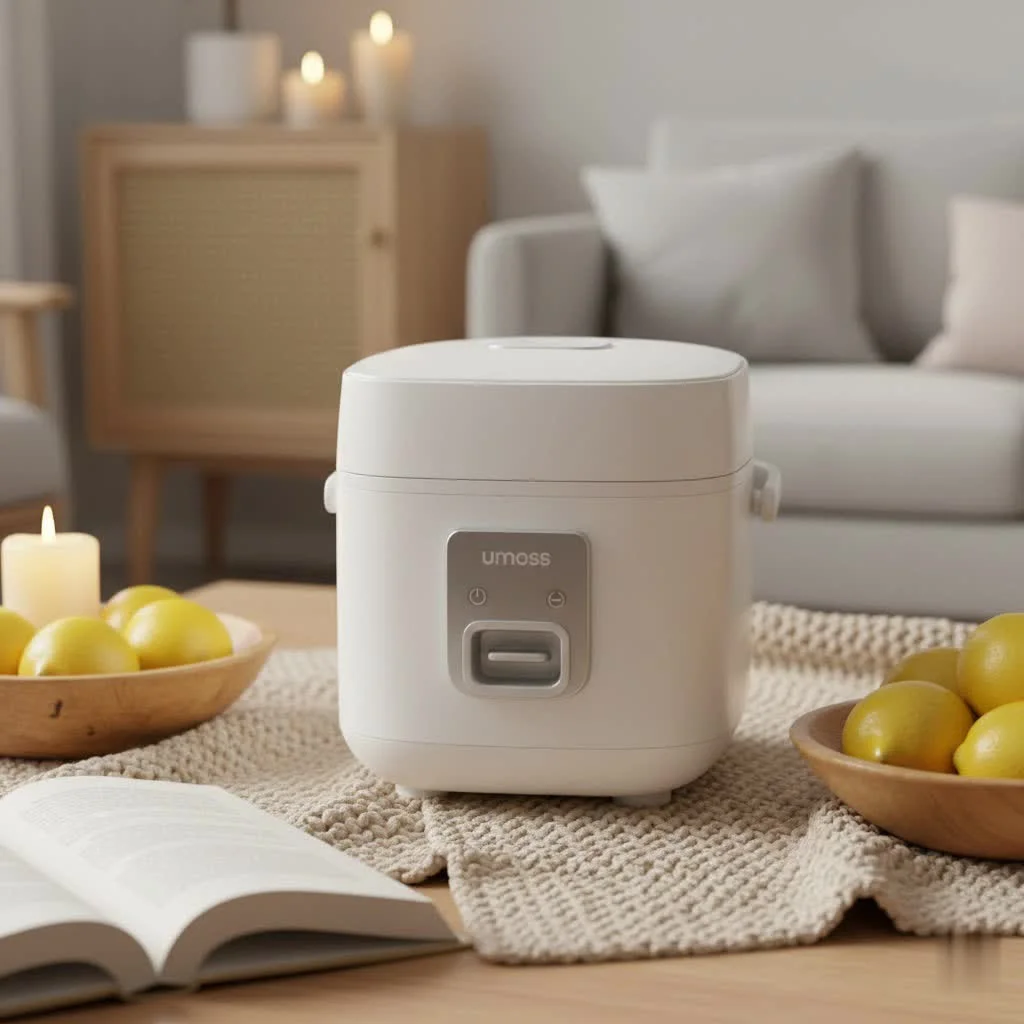
A stainless steel rice cooker is a superior choice for healthier meals, unparalleled durability, and consistently delicious rice, primarily due to its non-reactive, food-grade material that prevents chemical leaching and offers long-term reliability. Unlike traditional non-stick coatings that can degrade and raise health concerns, stainless steel inner pots, particularly those made from 304 or 316 food-grade steel, ensure your food remains pure and wholesome for years.
Why Choose a Stainless Steel Rice Cooker? Unpacking the Benefits
When we talk about choosing a rice cooker, the inner pot material is often overlooked, yet it’s crucial. Stainless steel offers a compelling array of advantages that make it a superior choice for many home cooks.
A Healthier Choice for Your Kitchen
One of the primary reasons for the growing popularity of stainless steel rice cookers is health. Traditional non-stick coatings, while convenient, have raised concerns about chemical leaching, especially if scratched or overheated. With a stainless steel inner pot, these worries largely disappear. You’re cooking in a non-reactive, food-grade material that won’t impart unwanted chemicals or metallic tastes into your food. This means your rice, grains, and steamed dishes stay pure and wholesome.
Unmatched Durability and Longevity
Think about how often you replace kitchen items. Stainless steel is renowned for its strength and resistance to rust, corrosion, and everyday wear and tear. Unlike delicate non-stick surfaces that can degrade over time, a high-quality stainless steel rice cooker pot is built to last for years, if not decades. This durability translates into long-term savings and less waste, making it an environmentally friendlier option in the long run.
Preserving Pure Flavors
Have you ever noticed a faint, almost metallic taste from some cookware? Stainless steel is largely non-reactive with most foods, which means it won’t alter the natural flavor profile of your rice or other ingredients. This allows the true taste of your cooking to shine through, providing a more authentic and enjoyable culinary experience. “For pristine flavors and peace of mind, stainless steel is my top recommendation,” says Dr. Elara Vance, a Food Science Technologist. “It’s a robust material that respects the integrity of your ingredients.”
Easy to Clean and Maintain
While some might fear sticking with stainless steel (a myth we’ll debunk shortly!), the reality is that stainless steel is incredibly easy to clean. Most stainless steel inner pots are dishwasher safe, and even with hand washing, stubborn residues can be tackled effectively without damaging the surface. This ease of maintenance makes daily cooking and cleanup a breeze.
Navigating the World of Stainless Steel Rice Cookers: Types and Features
Just like their non-stick counterparts, stainless steel rice cookers come in various designs and with different functionalities. Understanding these can help you select the perfect stainless rice cooker for your needs.
Basic Models: Simplicity Meets Durability
|
Our Picks for the Best Rice Cooker in 2026
As an Amazon Associate I earn from qualifying purchases.
|
||
| Num | Product | Action |
|---|---|---|
| 1 | Zojirushi Micom 3-Cup Compact Size, Multiple Settings, Stainless Steel Made, Built-In Retractable Power Cord and Easy to Transport Rice Cooker and Warmer |

|
| 2 | AROMA® Rice Cooker, 3-Cup (Uncooked) / 6-Cup (Cooked), Small Rice Cooker, Oatmeal Cooker, Soup Maker, Auto Keep Warm, 1.5 Qt, White, ARC-363NG |
|
| 3 | COSORI Rice Cooker 10 Cup, 24h Keep Warm, Non-stick Ceramic Inner Pot, 18 Functions Fuzzy Logic Rice Maker with Stainless Steel Steamer Basket, Sauté, Slow Cooker, Black |
|
| 4 | AROMA Digital Rice Cooker, 4-Cup (Uncooked) / 8-Cup (Cooked), Steamer, Grain Cooker, Multicooker, 2 Qt, Stainless Steel Exterior, ARC-914SBD |
|
| 5 | AROMA Rice Cooker, 3-Cup (Uncooked) / 6-Cup (Cooked), Small Rice Cooker, Oatmeal Cooker, Soup Maker, Auto Keep Warm, 1.5 Qt, White, ARC-393NG |
|
| 6 | Aroma Housewares 1.5Qt. Rice & Grain Cooker (ARC-363NGB),Black,6-Cup Cooked / 3-Cup Uncooked |
|
| 7 | Aroma Housewares 20 Cup Cooked (10 cup uncooked) Digital Rice Cooker, Slow Cooker, Food Steamer, SS Exterior (ARC-150SB),Black |
|
| 8 | Toshiba Mini Rice Cooker, 3 Cups Uncooked Small Rice Cooker, Steamer & Warmer, With Fuzzy Logic And One-Touch Cooking, 24 Hour Delay Timer And Auto Keep Warm Feature, White |
|
| 9 | TOSHIBA Rice Cooker Small 3-Cup Uncooked– LCD Display with 8 Cooking Functions: Rice, Oatmeal, Mixed Grains and More, NonStick Inner Pot, Grey |
|
| 10 | Zojirushi NS-ZCC10 5-1/2-Cup Neuro Fuzzy Rice Cooker and Warmer, Premium White |
|
These are often the most straightforward and affordable options. They typically feature a single “cook” and “keep warm” setting, perfect for those who want reliable, basic rice cooking without extra frills. The focus here is on the robust stainless steel pot and consistent performance.
Multi-Functional and Induction Cookers: Smart Cooking for Modern Homes
Moving up the ladder, you’ll find stainless steel rice cookers with advanced features. Multi-functional models can often cook various grains, steam vegetables, and even slow cook. Induction Heating (IH) rice cookers, a personal favorite, use magnetic fields to heat the entire inner pot evenly, resulting in perfectly fluffy, consistent rice every time. Many premium IH models feature high-quality stainless steel inner pots, often with additional layers for superior heat distribution.
Pressure Rice Cookers with Stainless Steel Pots: Speed and Efficiency
For those who value speed and efficiency, pressure rice cookers are excellent. When combined with a stainless steel inner pot, they offer the benefits of faster cooking times, often creating exceptionally tender and flavorful rice, while still providing the health advantages of stainless steel. These are particularly popular for cooking tougher grains or beans quickly.
Essential Features to Look For
When shopping for your ideal stainless rice cooker, keep an eye out for these key specifications:
- Capacity: Ranging from small 3-cup models for individuals to large 10-cup units for families.
- Stainless Steel Grade: Look for food-grade stainless steel like 304 (also known as 18/8 or 18/10) or 316. These indicate the chromium and nickel content, ensuring corrosion resistance and durability.
- Programmable Settings: Features like delay timers, specific settings for white rice, brown rice, sushi rice, or mixed grains offer great convenience.
- Keep Warm Function: Essential for maintaining rice at a serving temperature without overcooking.
- Steam Tray: A useful accessory for steaming vegetables or other foods simultaneously.
Making the Switch: Stainless Steel vs. Other Rice Cooker Materials
Understanding how stainless steel stacks up against other popular materials is crucial for an informed decision.
Stainless Steel vs. Non-Stick: A Health-Conscious Comparison
This is often the main debate. While non-stick (typically PTFE or Teflon-based) offers unparalleled rice release, its primary drawback is potential health concerns when scratched or degraded. A stainless rice cooker removes these concerns entirely. You might need a slightly different cooking technique to prevent sticking, but the health benefits and durability far outweigh this minor adjustment.
Stainless Steel vs. Ceramic/Clay: Performance and Care
Ceramic and clay pots are often praised for their natural properties and even heat distribution. However, they can be more fragile than stainless steel and require careful handling. Stainless steel offers a robust alternative that provides excellent heat retention and distribution without the risk of breakage, making it a more practical choice for many busy kitchens.
Mastering Your Stainless Steel Rice Cooker: Tips for Perfect Results
The biggest apprehension people have with stainless steel is rice sticking. With a few simple tricks, you can enjoy perfectly cooked, non-stick rice every time in your stainless rice cooker.
How to Prevent Rice from Sticking
- Rinse Your Rice Thoroughly: This is crucial! Rinsing removes excess starch, which is the primary culprit for stickiness. Rinse until the water runs clear.
- Add a Touch of Oil or Butter: Before adding rice and water, lightly grease the bottom and sides of the stainless steel pot with a small amount of cooking oil or butter. This creates a natural barrier.
- Use the Correct Water Ratio: Follow the manufacturer’s recommended water-to-rice ratio precisely. Too little water can lead to sticking, while too much results in mushy rice.
- Avoid Lifting the Lid: Resist the urge to peek during the cooking cycle. The steam is essential for even cooking and preventing sticking.
- Let it Rest: Once cooking is complete and the “keep warm” cycle begins, let the rice sit for 5-10 minutes without lifting the lid. This allows the steam to redistribute and the bottom layer to release naturally. Then, fluff with a paddle.
Cleaning and Care for Lasting Shine
Caring for your stainless rice cooker is straightforward:
- Soak Immediately: If rice does stick, fill the pot with warm, soapy water immediately after serving. Let it soak for 15-30 minutes.
- Gentle Scrubbing: Use a soft sponge or cloth. For stubborn bits, a plastic scraper can help without scratching.
- Baking Soda Paste: For baked-on residue or minor discoloration, a paste of baking soda and a little water can work wonders. Apply, let sit for a few minutes, then scrub gently.
- Vinegar for Shine: To restore shine and remove water spots, wipe with a cloth dampened with white vinegar, then rinse and dry thoroughly.
Beyond White Rice: Creative Recipes for Your Stainless Steel Cooker
Your stainless rice cooker is far more versatile than just cooking white rice! It’s a powerhouse for various healthy and delicious meals.
Steamed Vegetables and Grains
Many stainless steel rice cookers come with a steamer basket, perfect for healthy, oil-free cooking. Steam broccoli, carrots, or fish while your rice cooks below. You can also experiment with cooking quinoa, farro, or other whole grains, often yielding fantastic results.
One-Pot Meals
Think beyond just grains! With proper liquid ratios and layering, you can prepare simple one-pot meals. Try cooking rice with chicken broth, adding chopped vegetables like peas and carrots, and seasoning for a simple pilaf. The robust nature of stainless steel can handle a variety of ingredients, making it a true kitchen workhorse.
Frequently Asked Questions About Stainless Steel Rice Cookers
Is stainless steel safe for cooking rice?
Absolutely! Food-grade stainless steel (like 304 or 316) is considered one of the safest and most non-reactive materials for cooking, as it doesn’t leach chemicals into your food.
Does rice always stick in a stainless steel pot?
No, not at all! While there’s a higher potential for sticking compared to non-stick, using proper techniques like rinsing rice, adding a little oil, and letting the rice rest after cooking will yield perfectly non-stick results.
How do I remove stubborn stuck-on rice?
The best method is to soak the pot with warm, soapy water for at least 15-30 minutes. For tougher spots, a baking soda paste or a non-abrasive scraper can be very effective.
What’s the best grade of stainless steel for a rice cooker?
Look for food-grade 18/8 (304) or 18/10 (316) stainless steel. These numbers indicate the chromium and nickel content, ensuring high corrosion resistance and durability.
Can I cook other grains besides rice?
Yes, a stainless rice cooker is excellent for cooking a variety of grains, including quinoa, oatmeal, barley, and farro. You may need to adjust the water-to-grain ratio based on the specific grain and your cooker’s instructions.
Conclusion
Choosing a stainless rice cooker is a smart move for anyone prioritizing health, durability, and pure flavor in their cooking. While it might require a slight adjustment in technique compared to non-stick, the long-term benefits for your well-being and your kitchen are undeniable. From basic, reliable models to advanced induction units, there’s a stainless steel option out there for every home chef. Embrace the robust elegance and consistent performance of stainless steel, and improve your rice cooking experience. You’ll not only enjoy perfectly fluffy rice every time but also gain a durable, healthy appliance that will serve your family for years to come.
Frequently Asked Questions
Is stainless steel safe for cooking rice?
Yes, food-grade stainless steel, specifically grades like 304 (18/8) or 316 (18/10), is considered one of the safest and most non-reactive materials for cooking. It does not leach chemicals into your food, ensuring pure and wholesome meals.
Does rice always stick in a stainless steel pot?
No, rice does not always stick in a stainless steel pot. While there's a higher potential for sticking compared to non-stick, proper techniques like thoroughly rinsing rice, adding a small amount of oil or butter, and allowing the rice to rest for 5-10 minutes after cooking will yield perfectly non-stick results.
How do I remove stubborn stuck-on rice from a stainless steel pot?
The most effective method to remove stubborn stuck-on rice is to immediately fill the pot with warm, soapy water and let it soak for at least 15-30 minutes. For tougher spots, a baking soda paste or a non-abrasive plastic scraper can be very effective without damaging the surface.
What is the best grade of stainless steel for a rice cooker?
The best grade of stainless steel for a rice cooker is food-grade 18/8 (304) or 18/10 (316). These numbers indicate the chromium and nickel content, which are crucial for ensuring high corrosion resistance, durability, and a non-reactive cooking surface.
Can I cook other grains besides rice in a stainless steel cooker?
Yes, a stainless steel rice cooker is highly versatile and excellent for cooking a variety of grains beyond white rice. You can successfully prepare quinoa, oatmeal, barley, farro, and other whole grains, though you may need to adjust the water-to-grain ratio according to the specific grain and your cooker's instructions.
How to Prevent Rice from Sticking in a Stainless Steel Rice Cooker
Follow these simple steps to ensure your rice cooks perfectly without sticking to the bottom of your stainless steel rice cooker pot.
Rinse your rice under cold running water until the water runs clear. This crucial step removes excess starch, which is the primary cause of stickiness.
Before adding the rinsed rice and water, lightly grease the bottom and sides of the stainless steel pot with a small amount of cooking oil or butter. This creates a natural non-stick barrier.
Always follow the manufacturer's recommended water-to-rice ratio precisely. Too little water can lead to sticking, while too much results in mushy rice.
Resist the urge to peek or lift the lid during the entire cooking cycle. The steam trapped inside is essential for even cooking and preventing the rice from sticking.
Once the cooking cycle is complete and the 'keep warm' function activates, let the rice sit undisturbed for 5-10 minutes with the lid still on. This allows the steam to redistribute and the bottom layer to release naturally before fluffing with a paddle.
Cooking gear we tested in our own kitchens
Practical specs, not advice. Unsubscribe anytime.

This stainless steel rice cooker is fantastic! I was specifically looking for something that would ensure my food remained pure and wholesome, and this fits the bill perfectly. The rice is consistently fluffy and delicious, whether I’m making white rice or brown. It’s so easy to clean too, which is a huge bonus for busy weeknights.
I’ve been using my new stainless steel rice cooker for a few weeks now, and I’m so impressed! The fact that it’s made from 304 food-grade steel really put my mind at ease about chemical leaching. My rice comes out perfect every time, and I love knowing it’s a healthier option than my old non-stick one. Definitely a game-changer for our family meals.
I got a stainless steel rice cooker because I was tired of my old non-stick flaking. While I appreciate the non-reactive material, I’ve found that sometimes the rice sticks a bit to the bottom if I don’t add enough water. It’s not a deal-breaker, but it does require a bit more attention during cooking. Still, I prefer it for the health benefits.
I finally upgraded to a stainless steel rice cooker after hearing about the durability benefits. It feels much more robust than my previous model, and I’m confident it’ll last a long time. The rice cooks well, though I’m still getting used to the slightly different cooking times compared to what I had before. Overall, a solid investment for healthier, long-term use.