We all dream of that perfectly cooked rice – fluffy, separate grains for white rice, or wonderfully chewy and wholesome brown rice. For years, achieving this consistently felt like a culinary enigma, often depending on fickle stovetop methods or basic rice cookers that offered limited control. But what if I told you there’s a kitchen marvel designed to eliminate guesswork and deliver flawless rice, every single time? Enter the neuro fuzzy rice cooker, a true game-changer in the world of home appliances. Here at Golmz.com, where we live and breathe kitchen tech, we believe understanding this advanced technology is key to elevating your cooking experience.
What Exactly is a Neuro Fuzzy Rice Cooker?
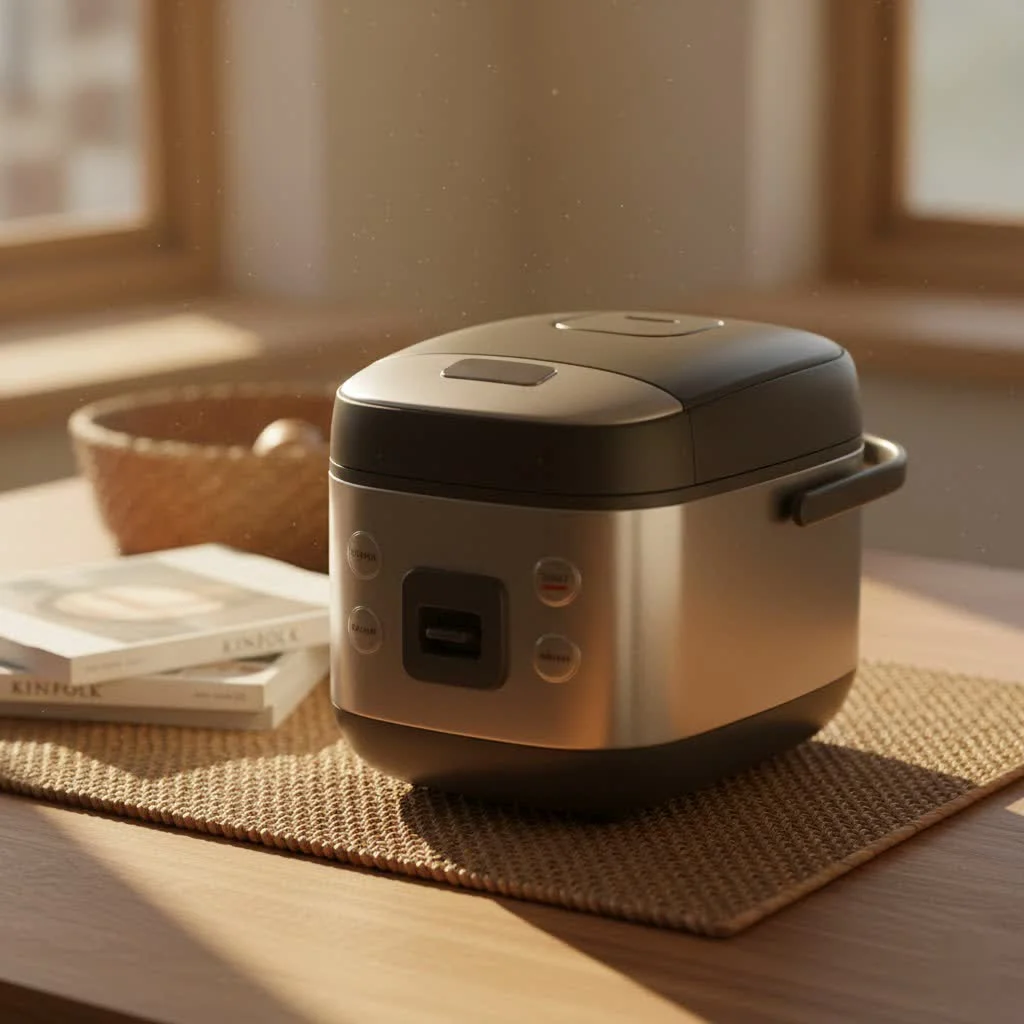
At its core, a neuro fuzzy rice cooker isn’t just another kitchen gadget; it’s a culinary assistant equipped with a brain. The “fuzzy logic” at its heart refers to a type of artificial intelligence that allows the appliance to make human-like judgments. Instead of rigid, pre-set timers, it operates on a more flexible, adaptive algorithm. Think of it like this: if a traditional rice cooker follows a recipe precisely, a neuro fuzzy model understands the nuances and makes adjustments on the fly, much like an experienced chef would.
The “neuro” aspect further refines this capability, enabling the cooker to “learn” and adapt over time. It can sense subtle variations in rice type, water quantity, or even ambient temperature, then fine-tune the cooking process. This means that if you accidentally add a touch too much or too little water, the neuro fuzzy system can often compensate, still delivering a great result. It’s about empowering your rice cooker to think for itself, ensuring that every grain is cooked to perfection.
“From my decade in appliance engineering, Neuro Fuzzy technology truly mimics the nuanced judgment of a seasoned chef, ensuring your rice is consistently exceptional, even on those days when you’re a bit rushed.” – Isabella Rossi, Lead Appliance Engineer at Golmz.
The Brains Behind the Bowl: How Neuro Fuzzy Technology Works
So, how does this sophisticated appliance achieve such consistent results? It all boils down to an intricate dance between sensors, a microcomputer, and intelligent heating elements.
First, sensors inside the neuro fuzzy rice cooker constantly monitor the temperature and moisture levels within the inner pot. As rice cooks, water is absorbed, and the temperature changes. Unlike basic rice cookers that simply switch off once a certain temperature (like boiling point) is reached, a neuro fuzzy model continuously processes this real-time data.
The microcomputer, armed with its fuzzy logic algorithms, then interprets this information. It utilizes “if-then” statements to determine the ideal course of action. For example, if the rice is cooking too quickly or seems to be absorbing water too slowly, the system can adjust the heat output and cooking duration. This constant feedback loop allows the cooker to adapt to various factors that can impact rice quality.
Furthermore, many neuro fuzzy models feature a spherical inner cooking pan and a multi-directional heating system (from the bottom, sides, and lid). This ensures that heat is distributed evenly, mimicking the traditional stovetop methods that produce the best results, but with far greater precision and consistency. The result is rice that is cooked uniformly, avoiding burnt bottoms or undercooked tops.
This adaptive cooking cycle is precisely what makes a neuro fuzzy rice cooker excel with a wide variety of grains. Whether it’s delicate sushi rice, hearty brown rice, or a creamy porridge, the technology intuitively adjusts for optimal absorption and texture, leaving you with perfect results every time.
Beyond the Basic: The Unbeatable Benefits of a Neuro Fuzzy Rice Cooker
|
Our Picks for the Best Rice Cooker in 2026
As an Amazon Associate I earn from qualifying purchases.
|
||
| Num | Product | Action |
|---|---|---|
| 1 | AROMA Digital Rice Cooker, 4-Cup (Uncooked) / 8-Cup (Cooked), Steamer, Grain Cooker, Multicooker, 2 Qt, Stainless Steel Exterior, ARC-914SBD |

|
| 2 | AROMA Rice Cooker, 3-Cup (Uncooked) / 6-Cup (Cooked), Small Rice Cooker, Oatmeal Cooker, Soup Maker, Auto Keep Warm, 1.5 Qt, White, ARC-393NG |
|
| 3 | Aroma Housewares 1.5Qt. Rice & Grain Cooker (ARC-363NGB),Black,6-Cup Cooked / 3-Cup Uncooked |
|
| 4 | AROMA® Rice Cooker, 3-Cup (Uncooked) / 6-Cup (Cooked), Small Rice Cooker, Oatmeal Cooker, Soup Maker, Auto Keep Warm, 1.5 Qt, White, ARC-363NG |
|
| 5 | Aroma Housewares 20 Cup Cooked (10 cup uncooked) Digital Rice Cooker, Slow Cooker, Food Steamer, SS Exterior (ARC-150SB),Black |
|
| 6 | COSORI Rice Cooker 10 Cup, 24h Keep Warm, Non-stick Ceramic Inner Pot, 18 Functions Fuzzy Logic Rice Maker with Stainless Steel Steamer Basket, Sauté, Slow Cooker, Black |
|
| 7 | Zojirushi NS-ZCC10 5-1/2-Cup Neuro Fuzzy Rice Cooker and Warmer, Premium White |
|
| 8 | Zojirushi Micom 3-Cup Compact Size, Multiple Settings, Stainless Steel Made, Built-In Retractable Power Cord and Easy to Transport Rice Cooker and Warmer |
|
| 9 | Toshiba Mini Rice Cooker, 3 Cups Uncooked Small Rice Cooker, Steamer & Warmer, With Fuzzy Logic And One-Touch Cooking, 24 Hour Delay Timer And Auto Keep Warm Feature, White |
|
| 10 | TOSHIBA Rice Cooker Small 3-Cup Uncooked– LCD Display with 8 Cooking Functions: Rice, Oatmeal, Mixed Grains and More, NonStick Inner Pot, Grey |
|
Investing in a neuro fuzzy rice cooker isn’t just about cooking rice; it’s about upgrading your entire culinary lifestyle. Here are some of the compelling benefits you can expect:
- Perfection, Every Single Time: This is the cornerstone. Say goodbye to sticky, clumpy, or undercooked rice. The neuro fuzzy system constantly monitors and adjusts, delivering consistently flawless texture and taste, regardless of the rice variety or minor variations in your measurements. It practically takes human error out of the equation.
- Versatility in Grains: These smart cookers are not one-trick ponies. They come with a multitude of pre-programmed menu settings specifically designed for different types of rice – from regular white and sushi rice to mixed, sweet, semi-brown, and full brown rice, even porridge. Some models even allow you to customize texture, choosing between softer or harder grains. This adaptability extends to other grains like quinoa or steel-cut oats, too.
- Effortless Convenience: Modern life is busy, and a neuro fuzzy rice cooker understands that. Features like dual delay timers allow you to set your rice to be ready exactly when you need it, whether for breakfast or dinner. Automatic keep-warm functions, including extended keep-warm and reheating cycles, ensure your rice stays at the perfect serving temperature for hours without drying out or becoming overcooked. One-touch operation makes cooking as simple as adding ingredients and pressing a button.
- Superior Taste and Texture: The precise temperature control and even heat distribution facilitated by neuro fuzzy logic result in rice that simply tastes better. Each grain is cooked thoroughly and uniformly, enhancing its natural flavor and achieving the ideal texture – fluffy, tender, and never mushy.
- Durability and Thoughtful Design: Many neuro fuzzy rice cookers are built to last, often made in Japan with high-quality components. Features like non-stick inner pots (for easy cleaning), spherical designs (for optimal heating), detachable inner lids (for thorough washing), and retractable power cords (for tidy storage) highlight a focus on user experience and longevity.
Neuro Fuzzy vs. The Rest: A Quick Look at Rice Cooker Technologies
To truly appreciate the neuro fuzzy advantage, it helps to understand where it stands among other rice cooker technologies:
- Basic Rice Cookers: These are the simplest models, often using a single heating element and a thermostat that switches off when the water boils away. They are affordable but offer limited control and can be inconsistent, especially with different rice types or if water ratios aren’t perfect.
- Micom (Microcomputerized) Rice Cookers: A step up from basic, Micom models feature a microcomputer that controls various pre-programmed settings. They offer more consistent results and specific programs for white or brown rice. They are smarter than basic models, but still follow a set script.
- Neuro Fuzzy Rice Cookers: This is where the adaptive intelligence comes in. Neuro fuzzy models build upon Micom technology by incorporating fuzzy logic, allowing them to “think” and make real-time adjustments to cooking time and temperature based on sensed conditions. This makes them significantly more forgiving and consistent than standard Micom units.
- Induction Heating (IH) Rice Cookers: IH technology uses electromagnetic fields to heat the entire inner pot, rather than just a heating plate at the bottom. This results in incredibly even and precise temperature control. Many IH rice cookers also incorporate fuzzy logic or even neuro fuzzy logic, combining superior heating with intelligent adaptation for the ultimate rice cooking experience.
- Pressure Rice Cookers: These cook rice under pressure, which speeds up the cooking process and can create different textures. Like IH models, pressure cookers are often combined with fuzzy logic or neuro fuzzy technology to maximize their performance and versatility.
While IH and pressure rice cookers offer advanced features, neuro fuzzy models provide a substantial leap in performance and consistency over basic and standard Micom cookers, often at a more accessible price point than the top-tier IH pressure models. They hit a sweet spot for many home cooks seeking perfection without over-complicating things.
Choosing Your Perfect Companion: What to Look for in a Neuro Fuzzy Rice Cooker
Ready to welcome a neuro fuzzy rice cooker into your kitchen? Here’s what to consider when making your choice:
- Capacity: Rice cookers typically come in 3-cup, 5.5-cup, or 10-cup uncooked rice capacities. A 5.5-cup model is ideal for individuals or small families, while a 10-cup version is perfect for larger households, meal prepping, or entertaining guests.
- Menu Settings: Check the available pre-programmed settings. Ensure it includes the types of rice you frequently cook (white, brown, sushi, mixed, porridge). Some models offer texture options (softer/harder) which can be a valuable addition.
- Inner Pot Quality: Look for a durable, non-stick inner pot with clear water level markings. A spherical design is often preferred as it promotes more even heat distribution.
- Ease of Use & Cleaning: An easy-to-read LCD control panel, simple one-touch operation, a detachable inner lid, and a retractable power cord all contribute to a more user-friendly experience.
- Brand Reputation: While other brands may exist, Zojirushi is undeniably the pioneer and leader in neuro fuzzy rice cooker technology, widely praised for its quality and performance.
- Budget: Be prepared for a higher investment than basic rice cookers. However, consider it a long-term investment in consistently perfect rice and culinary convenience.
Maximizing Your Neuro Fuzzy Rice Cooker: Tips & Tricks from the Pros
Even with the intelligence of a neuro fuzzy rice cooker, a few simple tips can help you get the absolute best results every time:
- Rinse Your Rice: For many rice types, especially white rice, rinsing thoroughly under cold water until the water runs clear removes excess starch, preventing stickiness and resulting in fluffier grains.
- Measure Accurately (Still!): While neuro fuzzy logic can compensate for minor errors, striving for accurate rice-to-water ratios as indicated in your cooker’s manual will always yield the best results. Use the provided measuring cup, which is often smaller than a standard US cup.
- Utilize the Delay Timer: This feature is a lifesaver. Prep your rice in the morning, set the timer, and come home to perfectly cooked, warm rice ready for dinner.
- Explore Non-Rice Recipes: Don’t limit your neuro fuzzy cooker to just rice! Many models can handle other grains like quinoa, millet, or steel-cut oatmeal. Some users even prepare steamed vegetables, soups, stews, or even cakes. Consult your manual or online communities for creative ideas.
- Clean Regularly: The non-stick inner pot makes cleaning a breeze. Always allow the pot to cool before washing, and use a soft sponge to protect the non-stick coating. Detachable inner lids should also be washed after each use to prevent residue buildup.
Frequently Asked Questions about Neuro Fuzzy Rice Cookers
Here are some common questions we hear from aspiring neuro fuzzy rice cooker owners:
Q: Is a neuro fuzzy rice cooker worth the price?
A: Absolutely! While the initial cost might be higher than basic models, the consistent perfection, versatility across different grains, and sheer convenience of a neuro fuzzy rice cooker make it a worthwhile long-term investment for anyone who appreciates perfectly cooked rice and efficient kitchen tools.
Q: How long does a neuro fuzzy rice cooker take to cook rice?
A: Cooking times can vary. White rice typically takes around 40-50 minutes, while brown rice can take 90 minutes or longer, depending on the model and specific settings. While sometimes longer than stovetop methods, the hands-off convenience and guaranteed perfect results are the main advantages.
Q: Can I cook brown rice in a neuro fuzzy rice cooker?
A: Yes, neuro fuzzy rice cookers excel at cooking brown rice. They typically have a dedicated “brown rice” setting that utilizes specific soaking and cooking phases to ensure tender, flavorful results, overcoming the challenges often faced with brown rice on the stovetop.
Q: What’s the difference between Micom and Neuro Fuzzy?
A: Micom rice cookers use a microcomputer with pre-programmed settings. Neuro fuzzy rice cookers build on this by adding “fuzzy logic” AI, allowing them to adapt and make real-time adjustments to temperature and time based on sensor readings, leading to even greater precision and consistency, especially when conditions aren’t ideal.
Q: Can I use it for things other than rice?
A: Definitely! Many neuro fuzzy rice cookers can be used to prepare a variety of other dishes. Common non-rice uses include oatmeal, quinoa, other grains, steamed vegetables, stews, and even some simple desserts like cakes. Always check your specific model’s manual for recommended recipes and functions.
Conclusion
The neuro fuzzy rice cooker represents a pinnacle in rice cooking technology, transforming a staple food into an art form within your own kitchen. It’s more than just an appliance; it’s a smart partner that guarantees perfectly cooked rice, every grain, every time, adapting to your needs and eliminating the stress of kitchen guesswork. At Golmz.com, we champion tools that enhance your culinary journey, and the neuro fuzzy rice cooker truly stands out as an indispensable device for anyone serious about elevating their home cooking. Make the smart investment, and prepare to be amazed by the consistent, delicious results this intelligent cooker brings to your table.
Cooking gear we tested in our own kitchens
Practical specs, not advice. Unsubscribe anytime.