The best rice cooker for your kitchen depends on your specific needs, with options ranging from basic models for consistent white rice to advanced induction heating (IH) and pressure IH cookers offering superior texture and flavor. For example, a 5.5-cup Micom (fuzzy logic) rice cooker is ideal for a family of four, providing versatility for various rice types and ensuring perfectly cooked grains every time through real-time temperature and moisture adjustments.
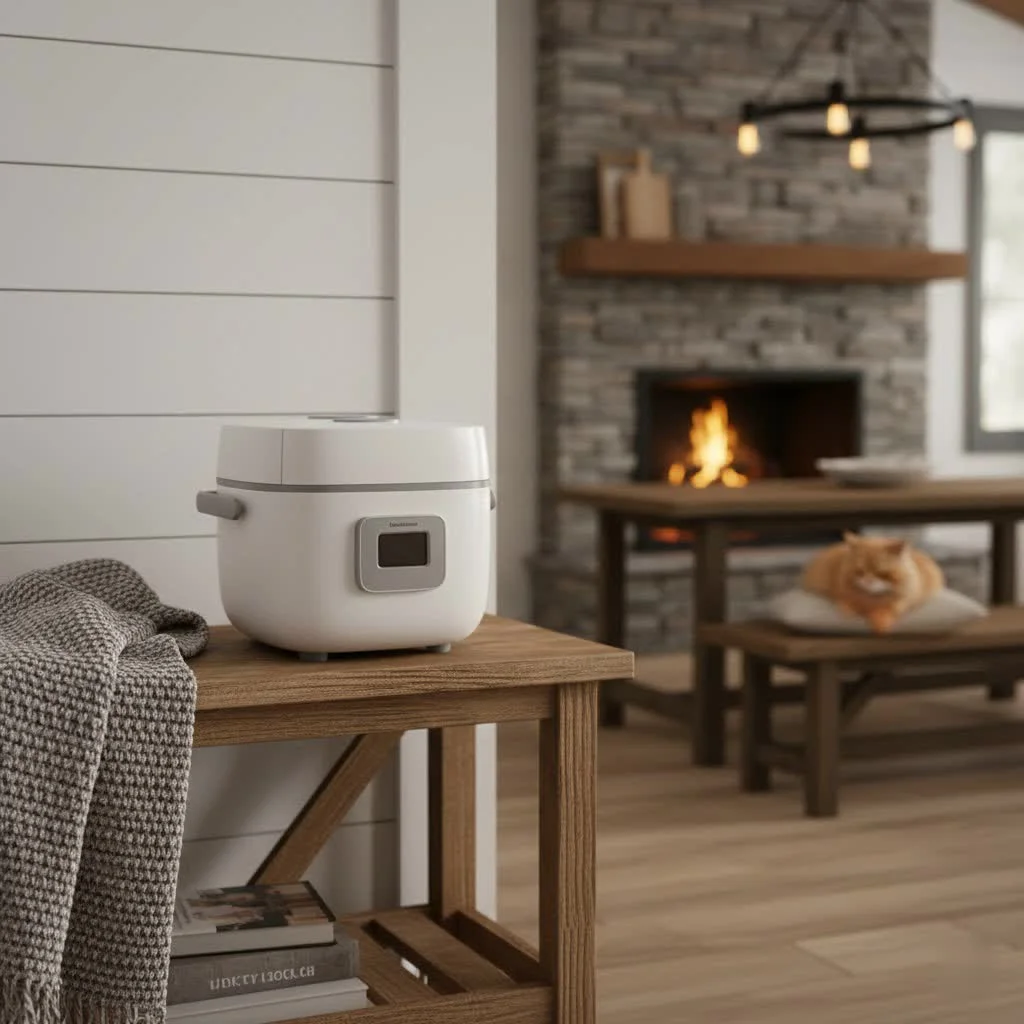
Here at Golmz.com, we’re passionate about uncovering the secrets to top-tier kitchen gadgets, and rice cookers are definitely at the top of our list. We’re not just talking about any old machine; we’re diving deep into the technology, features, and real-world performance to help you choose a rice cooker that perfectly fits your lifestyle and culinary ambitions.
Understanding the Heart of Your Kitchen: Types of Rice Cookers
Before we crown the “best,” let’s demystify the different kinds of rice cookers available. Each type offers unique advantages, and understanding them is the first step to making an informed choice.
Basic/Standard Rice Cookers
These are your entry-level, no-frills workhorses. They typically feature a simple on/off switch and a single heating element. While they might lack advanced settings, they’re often incredibly affordable and reliable for cooking consistent batches of white rice. They are a great starting point for beginners or those who primarily cook one type of rice.
Micom (Micro-computerized/Fuzzy Logic) Rice Cookers
What is Fuzzy Logic in Rice Cookers?
Imagine a rice cooker that thinks for itself. That’s essentially what a Micom (micro-computerized) rice cooker with Fuzzy Logic technology does. These smart appliances use internal sensors to detect the temperature and moisture levels of the rice as it cooks. Based on this data, the micro-computer adjusts the cooking time and temperature in real-time. This dynamic adaptation ensures that your rice, regardless of type or initial condition, cooks to perfection every single time. Fuzzy logic cookers typically offer multiple programs for different rice types, such as white, brown, sushi, and even porridge, making them incredibly versatile.
Induction Heating (IH) Rice Cookers
How Does Induction Heating Work?
Induction Heating (IH) rice cookers take precision to the next level. Instead of a heating element at the bottom, they use a high-frequency magnetic field to heat the entire inner pot directly and rapidly. This ensures incredibly even heat distribution throughout the pot, resulting in rice with superior texture and flavor. IH cookers are known for their precise temperature control, which helps in preserving the natural taste and integrity of each grain. They represent a significant upgrade in technology and performance, often yielding the fluffiest, most uniformly cooked rice.
Pressure Induction Heating Rice Cookers
|
Our Picks for the Best Rice Cooker in 2026
As an Amazon Associate I earn from qualifying purchases.
|
||
| Num | Product | Action |
|---|---|---|
| 1 | AROMA® Rice Cooker, 3-Cup (Uncooked) / 6-Cup (Cooked), Small Rice Cooker, Oatmeal Cooker, Soup Maker, Auto Keep Warm, 1.5 Qt, White, ARC-363NG |

|
| 2 | AROMA Digital Rice Cooker, 4-Cup (Uncooked) / 8-Cup (Cooked), Steamer, Grain Cooker, Multicooker, 2 Qt, Stainless Steel Exterior, ARC-914SBD |
|
| 3 | AROMA Rice Cooker, 3-Cup (Uncooked) / 6-Cup (Cooked), Small Rice Cooker, Oatmeal Cooker, Soup Maker, Auto Keep Warm, 1.5 Qt, White, ARC-393NG |
|
| 4 | COSORI Rice Cooker 10 Cup, 24h Keep Warm, Non-stick Ceramic Inner Pot, 18 Functions Fuzzy Logic Rice Maker with Stainless Steel Steamer Basket, Sauté, Slow Cooker, Black |
|
| 5 | TOSHIBA Rice Cooker Small 3-Cup Uncooked– LCD Display with 8 Cooking Functions: Rice, Oatmeal, Mixed Grains and More, NonStick Inner Pot, Grey |
|
| 6 | Toshiba Mini Rice Cooker, 3 Cups Uncooked Small Rice Cooker, Steamer & Warmer, With Fuzzy Logic And One-Touch Cooking, 24 Hour Delay Timer And Auto Keep Warm Feature, White |
|
| 7 | Zojirushi NS-ZCC10 5-1/2-Cup Neuro Fuzzy Rice Cooker and Warmer, Premium White |
|
| 8 | Aroma Housewares 1.5Qt. Rice & Grain Cooker (ARC-363NGB),Black,6-Cup Cooked / 3-Cup Uncooked |
|
| 9 | Zojirushi Micom 3-Cup Compact Size, Multiple Settings, Stainless Steel Made, Built-In Retractable Power Cord and Easy to Transport Rice Cooker and Warmer |
|
| 10 | Aroma Housewares 20 Cup Cooked (10 cup uncooked) Digital Rice Cooker, Slow Cooker, Food Steamer, SS Exterior (ARC-150SB),Black |
|
Combining the best of both worlds, pressure induction heating rice cookers integrate IH technology with a pressure cooking mechanism. This combination not only speeds up the cooking process significantly but also enhances the texture and deepens the flavor of the rice. These are often the most advanced and, consequently, the most expensive models, favored by those seeking the ultimate rice cooking experience.
Multi-Cookers (e.g., Instant Pot)
Multi-cookers, like the popular Instant Pot, are incredibly versatile appliances that can pressure cook, slow cook, steam, and yes, even cook rice. They’re excellent space-savers if your kitchen counter real estate is precious. However, while they can cook rice quickly, they may not always achieve the same nuanced texture and perfection as a dedicated rice cooker, especially for enthusiasts who appreciate specific rice varieties. If you’re a “rice purist,” a dedicated cooker might be your preferred choice to avoid potential flavor transfer from other dishes cooked in a multi-cooker.
Choosing Your Culinary Companion: Factors to Consider When Buying the Best Rice Cooker
Selecting the right rice cooker goes beyond just picking a brand. It’s about matching the appliance to your specific needs, cooking habits, and kitchen setup.
What Size Rice Cooker Do I Need?
The capacity of your rice cooker is crucial. Rice cookers are typically measured by how many uncooked cups of rice they can hold. A good rule of thumb:
- 3-cup capacity: Ideal for individuals or small households (1-3 people). It yields about 6 bowls of cooked rice.
- 5.5-cup capacity: A standard and versatile size, perfect for small families (2-5 people) or those who like to have leftovers. This size can also comfortably steam food on top of the rice.
- 10-cup capacity: Best for larger families or if you frequently entertain guests.
you can always cook a smaller amount of rice in a larger cooker, but not vice-versa. Overfilling a rice cooker can lead to starchy water overflowing from the steam vent.
Inner Pot Material Matters
The material and design of the inner pot significantly impact cooking performance and durability.
- Non-stick aluminum: This is the most common and often the easiest to clean. However, hand washing is usually recommended to preserve the non-stick coating.
- Stainless steel: A durable and safe option, free from concerns about chemical compounds often associated with non-stick coatings. Stainless steel pots require a bit more care to prevent sticking, often benefiting from pre-soaking rice.
- Ceramic: Offers good non-stick properties and excellent heat distribution, similar to traditional clay pots.
- Look for thicker, spherical, or rounded inner pots, as they promote optimal and even heat distribution for better-cooked rice.
Functions and Features
Modern rice cookers come packed with features designed to make your life easier:
- Dedicated Rice Settings: The best rice cooker will offer specific settings for various rice types like white, brown, jasmine, sushi, and even GABA rice, ensuring each grain is cooked optimally.
- Keep-Warm Function: An absolute must-have! This feature keeps your rice at a food-safe temperature for several hours after cooking, ready to serve whenever you are.
- Delay Timer: Perfect for meal prepping! You can set your cooker to start cooking hours in advance, ensuring fresh, hot rice is ready precisely when you want it.
- Quick Cook Option: For those busy weeknights when time is of the essence.
- Steamer Basket: Many models include a steamer basket, allowing you to prepare a one-pot meal by steaming vegetables or proteins above your cooking rice. Just be mindful of the rice capacity when using it for larger batches.
- Self-Clean Function: Some advanced models include this to help with maintenance.
- Thoughtful Design Elements: Look for features like retractable cords for easy storage, clear water line markings inside the pot, and a rice paddle holder to keep your counter tidy.
Ease of Cleaning
No one wants a kitchen gadget that’s a nightmare to clean. Check for models with removable, dishwasher-safe inner pots and steam vents for hassle-free maintenance. For non-stick pots, gentle hand washing is often advised.
Budget vs. Performance
Your budget will naturally play a role. Basic rice cookers are very affordable, while Micom, IH, and pressure induction models will be a more significant investment. Generally, higher price points correspond to more advanced technology, more precise cooking, and greater versatility. Decide what features are essential for you and your household.
Brand Reputation
Brands like Zojirushi, Cuckoo, and Tiger consistently receive high praise in tests and reviews for their innovative technology and reliable performance, often making them strong contenders for the best rice cooker titles.
Mastering Your Machine: Tips for Using and Maintaining Your Rice Cooker
Even the best appliance benefits from a little know-how. Here are some pro tips from my years in the kitchen:
Pre-use Cleaning and Setup
Before its maiden voyage, gently hand wash the inner pot, lid (if removable), steam basket, rice paddle, and measuring cup with warm, soapy water. Always refer to your manual for specific care instructions.
The Golden Ratio: Water and Rice Measurement
This is where many people go wrong. Always use the measuring cup provided with your rice cooker – it’s often 3/4 of a standard US cup, not a full cup.
- Rinse your rice: Place your measured rice in the inner pot and fill it halfway with lukewarm water. Gently rub the rice between your fingers to remove excess starch, then pour off the cloudy water. Repeat this process at least two to three times until the water runs mostly clear. This step is crucial for achieving fluffy, separate grains.
- Add water to the line: Place the rinsed rice back into the clean inner pot. Fill with cold water precisely to the corresponding water line etched inside the pot (e.g., “water line 1” for one cup of rice). If your model has specific lines for different rice types, follow those. For those who prefer a traditional touch, the “knuckle method” (water reaching your first knuckle when your hand rests on the rice) is an age-old trick passed down through generations.
- Wipe and check: Before placing the inner pot into the main body, wipe the outside of the pot to ensure it’s dry and clean. Also, make sure the steam vent on the lid is clear. Any debris can interfere with the cooking process.
Proper Fluffing and Serving
Once cooking is complete and the cooker has switched to its keep-warm cycle, let the rice rest for 10-15 minutes. Then, use the provided rice paddle (never a metal fork, which can scratch non-stick coatings!) to gently fluff the rice. Some paddles even have textured surfaces to prevent sticking. Lightly wetting your paddle can also help.
Cleaning for Longevity
To keep your rice cooker in top shape:
- Soak immediately: After serving, add an inch or two of water to the inner pot and let it soak. This prevents starches from drying and sticking.
- Hand wash: For non-stick pots, hand wash with warm, soapy water and a soft sponge. Rinse thoroughly and dry completely before storing.
- Clean the main unit: Wipe the exterior and lid of the main body with a soft, damp cloth. Leave the lid open for a few hours to air dry completely. to clean the removable steam vent regularly.
Beyond Basic Grains: Delicious Recipes for Your Best Rice Cooker
Your rice cooker is capable of so much more than just plain white rice! With a steamer basket, you can create delightful one-pot meals. Try steaming Chinese sausage or frozen dumplings directly above your cooking rice for a quick, flavorful meal. Many models also feature settings for porridge (congee), quinoa, and even oatmeal, expanding your culinary repertoire effortlessly.
“A great rice cooker isn’t just about cooking rice; it’s about simplifying healthy meals and rediscovering the joy of consistently perfect grains. From humble side dishes to gourmet creations, the right machine can truly be your kitchen’s unsung hero.” – Sarah Chen, Lead Engineer at Golmz.com
Frequently Asked Questions
What is the main difference between a Micom and an IH rice cooker?
A Micom (fuzzy logic) rice cooker uses a micro-computer to adjust cooking based on sensors, making it versatile for different rice types. An IH (induction heating) rice cooker uses a magnetic field to heat the entire pot directly for more even and precise cooking, often resulting in superior texture. IH models are generally more advanced and expensive.
Can I cook other grains like quinoa or oatmeal in my rice cooker?
Absolutely! Many modern rice cookers, especially Micom and IH models, come with dedicated settings for various grains like quinoa, oatmeal, and even mixed grains. Always check your cooker’s manual for specific instructions and water ratios.
How much rice should I cook for a family of four?
For a family of four, a 5.5-cup rice cooker is typically a good size. This allows you to cook around 2-3 cups of raw rice, yielding enough for a meal with potential leftovers. If you frequently host guests, a 10-cup model might be more suitable.
Is a non-stick inner pot safe?
Modern non-stick coatings are generally considered safe for everyday cooking. However, to maximize their lifespan and minimize any concerns, it’s best to avoid metal utensils, hand wash with a soft sponge, and replace the pot if the coating becomes scratched or peels. Stainless steel and ceramic options are also available if you prefer to avoid non-stick.
How often should I clean my rice cooker?
The inner pot, lid, and steam vent should be cleaned after every use to prevent starch buildup and maintain hygiene. The main body of the cooker can be wiped down regularly, especially if there are any spills.
Can I use regular measuring cups instead of the one provided?
While you can, it’s generally best to use the measuring cup provided with your rice cooker. These cups are specifically calibrated to match the water lines inside the inner pot. A standard US cup (8 fl oz) is often larger than the rice cooker’s cup (typically 6 fl oz or 3/4 standard cup), so using a standard cup with the cooker’s water lines will likely result in dry rice.
Conclusion
Choosing the best rice cooker can feel like a big decision, but with the right information, it becomes an exciting journey towards culinary perfection. Whether you opt for the intelligent adaptability of a fuzzy logic model, the precise power of induction heating, or a reliable basic cooker, the goal is the same: effortlessly perfect rice, every single time. Here at Golmz.com, we’re dedicated to being your trusted guide, sharing our expertise to empower you in making the best choices for your kitchen. So go ahead, find your perfect grain partner, and improve your home cooking with confidence!
Frequently Asked Questions
What is the main difference between a Micom and an IH rice cooker?
A Micom (fuzzy logic) rice cooker uses a micro-computer with sensors to adjust cooking based on real-time conditions, offering versatility for different rice types. An IH (induction heating) rice cooker utilizes a high-frequency magnetic field to heat the entire inner pot directly, providing more even and precise cooking for superior texture. IH models are generally more advanced and expensive than Micom models.
Can I cook other grains like quinoa or oatmeal in my rice cooker?
Yes, many modern rice cookers, particularly Micom and IH models, include dedicated settings for various grains such as quinoa, oatmeal, and mixed grains. Always consult your specific cooker's manual for precise instructions and recommended water ratios to ensure optimal results.
How much rice should I cook for a family of four?
For a family of four, a 5.5-cup rice cooker is typically an ideal size. This capacity allows you to cook approximately 2-3 cups of raw rice, which yields enough for a meal with potential leftovers. If you frequently entertain guests, a larger 10-cup model might be more suitable.
Is a non-stick inner pot safe for cooking?
Modern non-stick coatings are generally considered safe for everyday cooking. To extend their lifespan and minimize concerns, it is recommended to avoid metal utensils, hand wash with a soft sponge, and replace the pot if the coating shows signs of scratching or peeling. Stainless steel and ceramic inner pots are also available as alternatives.
How often should I clean my rice cooker?
The inner pot, lid, and steam vent of your rice cooker should be cleaned after every use to prevent starch buildup and maintain hygiene. The main body of the cooker can be wiped down regularly with a soft, damp cloth, especially if any spills occur.
Can I use regular measuring cups instead of the one provided with the rice cooker?
While you can, it is generally best to use the measuring cup provided with your rice cooker. These cups are specifically calibrated to match the water lines inside the inner pot. A standard US cup (8 fl oz) is often larger than the rice cooker's cup (typically 6 fl oz or 3/4 standard cup), which can lead to dry rice if used with the cooker's water lines.
How to Use and Maintain Your Rice Cooker
Follow these steps to properly use and maintain your rice cooker for consistently perfect rice and extended appliance longevity.
Before its initial use, gently hand wash the inner pot, removable lid, steam basket, rice paddle, and measuring cup with warm, soapy water. Always consult your rice cooker's manual for specific care instructions to ensure proper setup.
Always use the measuring cup provided with your rice cooker, as it's often 3/4 of a standard US cup. Rinse your measured rice in the inner pot two to three times until the water runs mostly clear to remove excess starch, which is crucial for fluffy grains.
Place the rinsed rice back into the clean inner pot and fill with cold water precisely to the corresponding water line etched inside the pot. Ensure the outside of the pot is dry and the steam vent on the lid is clear before placing it into the main body.
After cooking and once the cooker switches to its keep-warm cycle, let the rice rest for 10-15 minutes. Use the provided rice paddle (never metal) to gently fluff the rice, which helps separate the grains and release steam for optimal texture.
Immediately after serving, add an inch or two of water to the inner pot and let it soak to prevent starches from drying. Hand wash non-stick pots with warm, soapy water and a soft sponge, and wipe the main unit with a damp cloth, leaving the lid open to air dry completely.
Cooking gear we tested in our own kitchens
Practical specs, not advice. Unsubscribe anytime.
I was really excited about the versatility for different rice types, but I’ve had a bit of trouble getting my basmati rice just right in this model. It tends to come out a little too sticky for my liking, even after adjusting the water. It’s fine for everyday white rice, but I was hoping for more consistent results across the board.
I finally upgraded to a pressure IH cooker after years of using a basic model, and wow, what a difference! The texture and flavor of my brown rice are just incredible now. It’s a bit of an investment, but for anyone serious about perfectly cooked grains, it’s totally worth it. My family can definitely tell the difference.
This rice cooker is fantastic! I love how it adjusts temperature and moisture in real-time. I used to struggle with inconsistent results, especially with sushi rice, but this machine makes it foolproof every single time. It’s made meal prep so much easier and less stressful.
I picked up a 5.5-cup Micom rice cooker a few weeks ago, and it’s been a game-changer for our family of four. It handles white rice perfectly, and I’ve even tried some mixed grains with great results. My only minor complaint is that the ‘keep warm’ function can sometimes dry out the rice a little if left for too long, but it’s easy enough to just serve it fresh.