Achieving perfectly fluffy, wholesome brown rice is effortless with a dedicated brown rice cooker, which eliminates common issues like stickiness or undercooking. These specialized appliances provide consistent results by optimizing cooking time and temperature for brown rice’s unique needs, making healthy eating more convenient for home cooks.
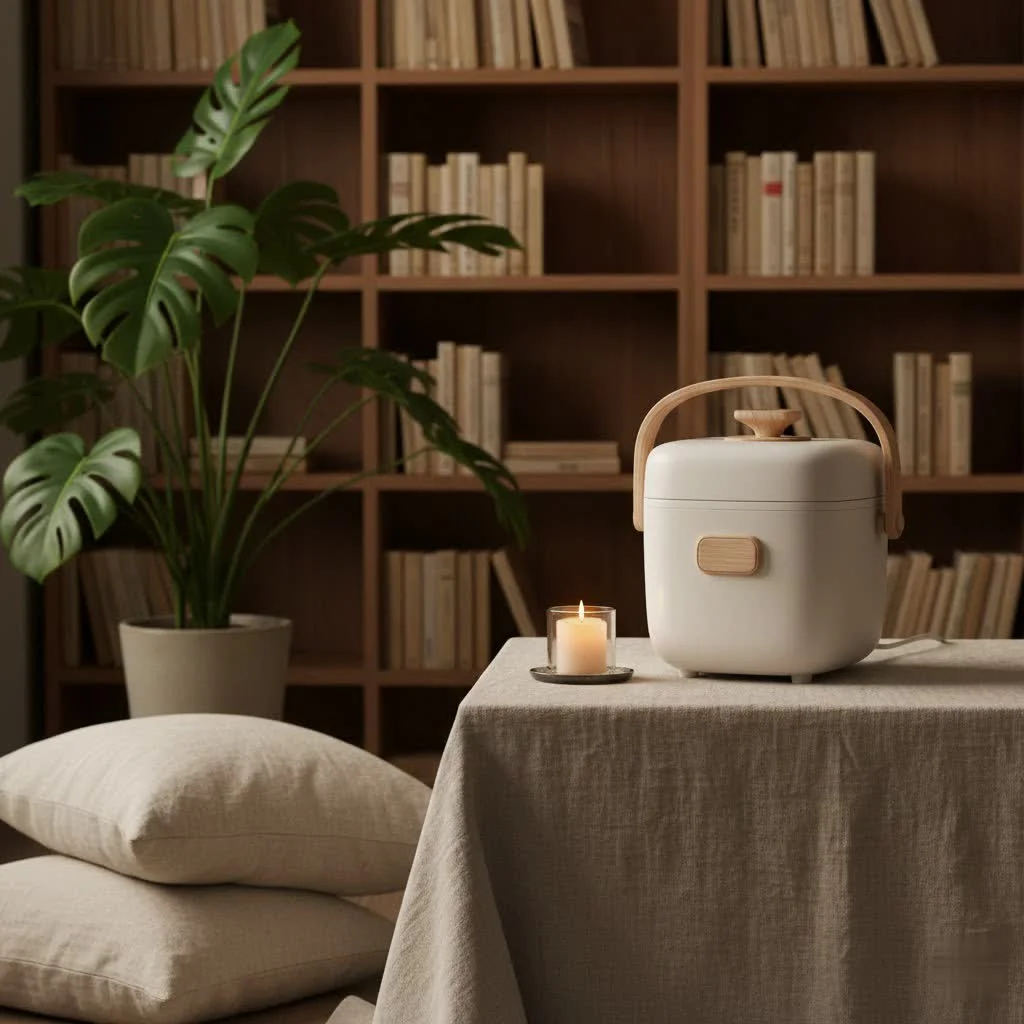
As an appliance engineer with over a decade of experience, particularly with rice cookers, I’ve seen firsthand how the right machine can elevate your home cooking. At Golmz.com, we believe everyone deserves to enjoy delicious, healthy meals with ease. Let’s dive deep into understanding brown rice, why a specialized cooker is a game-changer, and how to choose the ideal one for your kitchen.
What Makes Brown Rice Unique?
Unlike its white counterpart, brown rice is a whole grain, meaning it retains its bran and germ layers. These outer layers are packed with fiber, essential vitamins (like B vitamins), and minerals such as magnesium, manganese, and phosphorus. This makes brown rice a more nutritious choice, offering a lower glycemic index that helps regulate blood sugar levels and promoting better digestion.
However, these vital layers also make brown rice different to cook. They act as a protective barrier, slowing down water absorption and demanding a longer cooking time and a higher water ratio compared to white rice. If you attempt to cook brown rice using the same method as white rice, you’ll likely end up with tough or unevenly cooked grains.
Why Invest in a Brown Rice Cooker?
While you can technically cook brown rice on the stovetop, it often requires constant monitoring and precise timing. A good brown rice cooker eliminates the guesswork, providing consistent results every time. It’s a hands-off method that frees you up to prepare other dishes, making healthy eating more convenient and less intimidating. The benefits of using a rice cooker for brown rice include:
- Consistency: No more burnt bottoms or undercooked centers.
- Convenience: Set it and forget it, with automatic temperature and time adjustments.
- Optimized Cooking: Specialized settings ensure the correct environment for brown rice’s unique needs.
- Versatility: Many models offer settings for other grains and even steaming.
Key Features to Look for in a Brown Rice Cooker
Choosing the right brown rice cooker means understanding the features that cater specifically to this demanding grain. Here’s what I recommend looking for:
Dedicated Brown Rice Setting
|
Our Picks for the Best Rice Cooker in 2026
As an Amazon Associate I earn from qualifying purchases.
|
||
| Num | Product | Action |
|---|---|---|
| 1 | TOSHIBA Rice Cooker Small 3-Cup Uncooked– LCD Display with 8 Cooking Functions: Rice, Oatmeal, Mixed Grains and More, NonStick Inner Pot, Grey |

|
| 2 | AROMA Digital Rice Cooker, 4-Cup (Uncooked) / 8-Cup (Cooked), Steamer, Grain Cooker, Multicooker, 2 Qt, Stainless Steel Exterior, ARC-914SBD |
|
| 3 | AROMA Rice Cooker, 3-Cup (Uncooked) / 6-Cup (Cooked), Small Rice Cooker, Oatmeal Cooker, Soup Maker, Auto Keep Warm, 1.5 Qt, White, ARC-393NG |
|
| 4 | Toshiba Mini Rice Cooker, 3 Cups Uncooked Small Rice Cooker, Steamer & Warmer, With Fuzzy Logic And One-Touch Cooking, 24 Hour Delay Timer And Auto Keep Warm Feature, White |
|
| 5 | Aroma Housewares 20 Cup Cooked (10 cup uncooked) Digital Rice Cooker, Slow Cooker, Food Steamer, SS Exterior (ARC-150SB),Black |
|
| 6 | COSORI Rice Cooker 10 Cup, 24h Keep Warm, Non-stick Ceramic Inner Pot, 18 Functions Fuzzy Logic Rice Maker with Stainless Steel Steamer Basket, Sauté, Slow Cooker, Black |
|
| 7 | Aroma Housewares 1.5Qt. Rice & Grain Cooker (ARC-363NGB),Black,6-Cup Cooked / 3-Cup Uncooked |
|
| 8 | Zojirushi Micom 3-Cup Compact Size, Multiple Settings, Stainless Steel Made, Built-In Retractable Power Cord and Easy to Transport Rice Cooker and Warmer |
|
| 9 | AROMA® Rice Cooker, 3-Cup (Uncooked) / 6-Cup (Cooked), Small Rice Cooker, Oatmeal Cooker, Soup Maker, Auto Keep Warm, 1.5 Qt, White, ARC-363NG |
|
| 10 | Zojirushi NS-ZCC10 5-1/2-Cup Neuro Fuzzy Rice Cooker and Warmer, Premium White |
|
This is arguably the most crucial feature. A specific brown rice setting adjusts the cooking time and temperature to accommodate the grain’s tougher exterior and longer hydration needs. It ensures even cooking and perfect texture without you needing to fuss with manual adjustments.
Fuzzy Logic Technology
Advanced models often incorporate “fuzzy logic” or microcomputerized (MICOM) technology. These smart sensors monitor moisture and temperature inside the pot, adapting the cooking process in real-time. This ensures consistent results regardless of slight variations in rice type, water levels, or ambient conditions. It’s like having a tiny chef inside your appliance!
Capacity
Consider your household size and how much rice you typically cook. Cookers range from compact 3-cup models, perfect for singles or couples, to larger 5.5-cup or 10-cup options ideal for families or meal prepping. Always remember, capacity is usually measured in uncooked rice cups.
Nonstick Inner Pot
Brown rice can be more prone to sticking than white rice. A high-quality nonstick inner pot is a lifesaver for easy serving and quick cleanup. Many modern pots use durable ceramic or stainless steel coatings for health and longevity.
Keep Warm Function
Once the rice is cooked, a good “keep warm” function maintains the perfect temperature without drying out or overcooking the grains. This is especially helpful for brown rice, which can harden if left exposed for too long. Ideally, look for one that keeps rice warm for at least 12 hours.
GABA Setting
Some premium brown rice cookers offer a “GABA” setting. This unique function germinates the brown rice before cooking, which can enhance its nutritional value (specifically increasing gamma-aminobutyric acid, or GABA) and result in a softer, chewier texture.
Pressure Cooking Capability
For those who want faster cooking times for brown rice, an electric pressure cooker or a rice cooker with pressure functions can be a great alternative. Pressure cooking significantly reduces the time needed to tenderize brown rice.
Ease of Cleaning
A removable inner lid and a dishwasher-safe nonstick pot are features that simplify post-cooking cleanup, making your life much easier.
How to Cook Perfect Brown Rice in Your Rice Cooker: A Step-by-Step Guide
Even with the best brown rice cooker, a few simple steps can make all the difference in achieving that elusive perfect texture.
1. Measure Your Rice and Water
What is the ideal water-to-rice ratio for brown rice in a rice cooker? The general rule of thumb is 1 cup of brown rice to 2 cups of water. However, this can vary slightly by rice cooker model and your desired texture. Always check your specific rice cooker’s manual or the water lines inside the inner pot, which are often marked for brown rice. For a slightly softer texture, some experts suggest a ratio closer to 1 cup rice to 1.75 cups water.
2. Rinse the Rice
Is it really necessary to rinse brown rice? Yes, it is highly recommended! Rinse your brown rice under cold running water in a fine-mesh sieve until the water runs clear. This step removes excess starch, preventing the rice from becoming overly sticky or clumpy.
3. Consider Soaking
While not strictly necessary, soaking brown rice for 30 minutes to an hour before cooking can significantly improve its texture and reduce cooking time. This softens the tough bran layer, leading to more evenly cooked and fluffier grains, especially beneficial for short-grain brown rice.
4. Add Water and Seasoning
Place the rinsed rice into your rice cooker’s inner pot. Add the appropriate amount of water (or broth for extra flavor!). You can also add a pinch of salt (about ½ tsp per cup of rice) or a teaspoon of olive oil for enhanced taste and to prevent sticking.
5. Select the Right Setting
If your rice cooker has a “brown rice” setting, use it. This setting is specifically calibrated for the longer cooking time and higher temperature brown rice requires. If not, use the “regular” or “white rice” setting, but be prepared for a potentially slightly different outcome and monitor it more closely.
6. Resist the Urge to Peek
It’s tempting, I know! But do not open the lid during the cooking process. The sealed environment is crucial for building and maintaining the steam and pressure needed to cook brown rice evenly. Opening the lid releases steam, which can lead to undercooked or inconsistent results.
7. Let it Rest
How long does brown rice take to cook in a rice cooker? Brown rice typically takes anywhere from 45 minutes to 1 hour to cook in a rice cooker, depending on the model and quantity. Once the cooker switches to “keep warm” mode or indicates it’s done, resist the urge to serve immediately. Let the rice rest in the closed cooker for another 5-10 minutes. This allows the remaining steam to be fully absorbed, resulting in plumper, fluffier grains. Some models even recommend unplugging the cooker during this resting period to prevent the bottom from drying out.
8. Fluff and Serve
Finally, open the lid, and using a rice paddle or fork, gently fluff the rice to separate the grains. Your perfectly cooked, nutty, and delicious brown rice is ready to serve!
Troubleshooting Common Brown Rice Cooker Issues
Even with the best equipment, sometimes things don’t go as planned. Here are quick fixes for common problems:
- Rice is too dry or hard: This usually means too little water or insufficient cooking time. Next time, add a tablespoon or two more water per cup of rice, or ensure you’re using the dedicated brown rice setting. Soaking can also help.
- Rice is too mushy or sticky: This indicates too much water. Reduce the water by a tablespoon or two per cup of rice for your next batch. Rinsing thoroughly is also key to prevent stickiness.
- Rice cooker switches to warm too early/late: If your cooker doesn’t have a specific brown rice setting, its sensor might be calibrated for white rice. You may need to manually restart the cook cycle once if it switches too early, or let it sit on warm for longer if it needs more time. However, a dedicated brown rice setting generally prevents this.
Beyond Just Rice: Versatile Uses of Your Brown Rice Cooker
Don’t let the “rice” in “rice cooker” limit your imagination! Many models are surprisingly versatile. You can often use them to cook other grains like quinoa, steel-cut oats, or farro. Some advanced multi-cookers can even steam vegetables, make porridge, or slow cook stews, turning your brown rice cooker into a true kitchen workhorse.
“A truly exceptional brown rice cooker simplifies healthy eating,” says Dr. Anya Sharma, a food science expert at the Global Institute of Culinary Arts. “It ensures nutrient preservation while delivering a consistent texture that encourages more people to embrace whole grains in their diet. It’s an investment in both convenience and wellness.”
Frequently Asked Questions (FAQ)
What is the ideal water-to-rice ratio for brown rice in a rice cooker?
The general guideline is 1 cup of brown rice to 2 cups of water. However, always consult your specific rice cooker’s manual, as some models may recommend slightly different ratios or have internal water lines to guide you. For a softer texture, try 1 cup rice to 1.75 cups water.
How long does brown rice take to cook in a rice cooker?
Cooking brown rice in a rice cooker typically takes between 45 minutes to 1 hour. This time can vary depending on the specific model of your rice cooker and the quantity of rice being cooked. Always allow an additional 5-10 minutes of resting time after the cooking cycle for optimal results.
Do all rice cookers have a brown rice setting?
No, not all rice cookers have a dedicated brown rice setting. More basic models may only have a single “cook” or “on/off” button. However, many modern rice cookers, especially fuzzy logic or induction heating models, include specific settings to optimize the cooking process for brown rice.
Is it really necessary to rinse brown rice?
Yes, it is highly recommended to rinse brown rice thoroughly under cold water until the water runs clear. This step helps remove excess starches that can cause the rice to become sticky or clumpy during cooking, contributing to a better final texture.
Can I use broth instead of water when cooking brown rice in a rice cooker?
Absolutely! Using vegetable, chicken, or beef broth instead of water is an excellent way to infuse your brown rice with additional flavor. Just be mindful of the sodium content in the broth and adjust any added salt accordingly.
Conclusion
Mastering brown rice doesn’t have to be a daunting task. With the right brown rice cooker, you can consistently achieve perfectly cooked, fluffy, and nutritious grains that complement any meal. From understanding the unique needs of brown rice to selecting a cooker with essential features like a dedicated brown rice setting and fuzzy logic, you’re now equipped to make an informed decision. Remember to rinse, measure precisely, and allow for that crucial resting time, and you’ll be enjoying delicious brown rice with confidence. Embrace the convenience and health benefits, and transform your kitchen experience – your taste buds and your body will thank you!

This was exactly what I needed! I was tired of dealing with sticky or undercooked brown rice, and the explanation about how these appliances eliminate those common issues really resonated with me. I picked up one of the mid-range models recommended, and it’s been fantastic. My family is eating a lot more brown rice now that it’s so easy to make.
I used to struggle so much with brown rice, it was always either mushy or still crunchy. After reading about how a dedicated brown rice cooker optimizes cooking time and temperature, I finally invested in one. It’s been a total game-changer for my meal prep, making healthy eating so much easier and more consistent. Every batch comes out perfectly fluffy now!
I appreciate the focus on brown rice’s unique needs, and my new cooker does a decent job. However, I found that the ‘keep warm’ function on my model tends to dry out the rice a bit if left for too long, which is a minor annoyance. It’s definitely better than my old pot-on-the-stove method, but not quite the ‘effortless’ perfection I was hoping for every single time.
I’ve been using a standard rice cooker for years, but the brown rice always came out a bit hit-or-miss. The guide mentioned how brown rice retains its bran and germ layers, which makes it unique. My new specialized cooker handles it much better, though I wish it had a slightly larger capacity for when I’m cooking for guests. Still, a solid upgrade.