Ah, brown rice! It’s the wholesome, nutty, fiber-rich superstar that many of us want more of in our diets. But let’s be real, cooking it on the stovetop can sometimes feel like a culinary challenge, often resulting in either a crunchy disappointment or a mushy mess. As a home appliance engineer with over a decade of experience, particularly with rice cookers, I’ve seen it all. That’s why I’m here to tell you that your pressure cooker is about to become your best friend in mastering brown rice. This isn’t just about saving time; it’s about achieving consistently perfect, fluffy grains every single time.
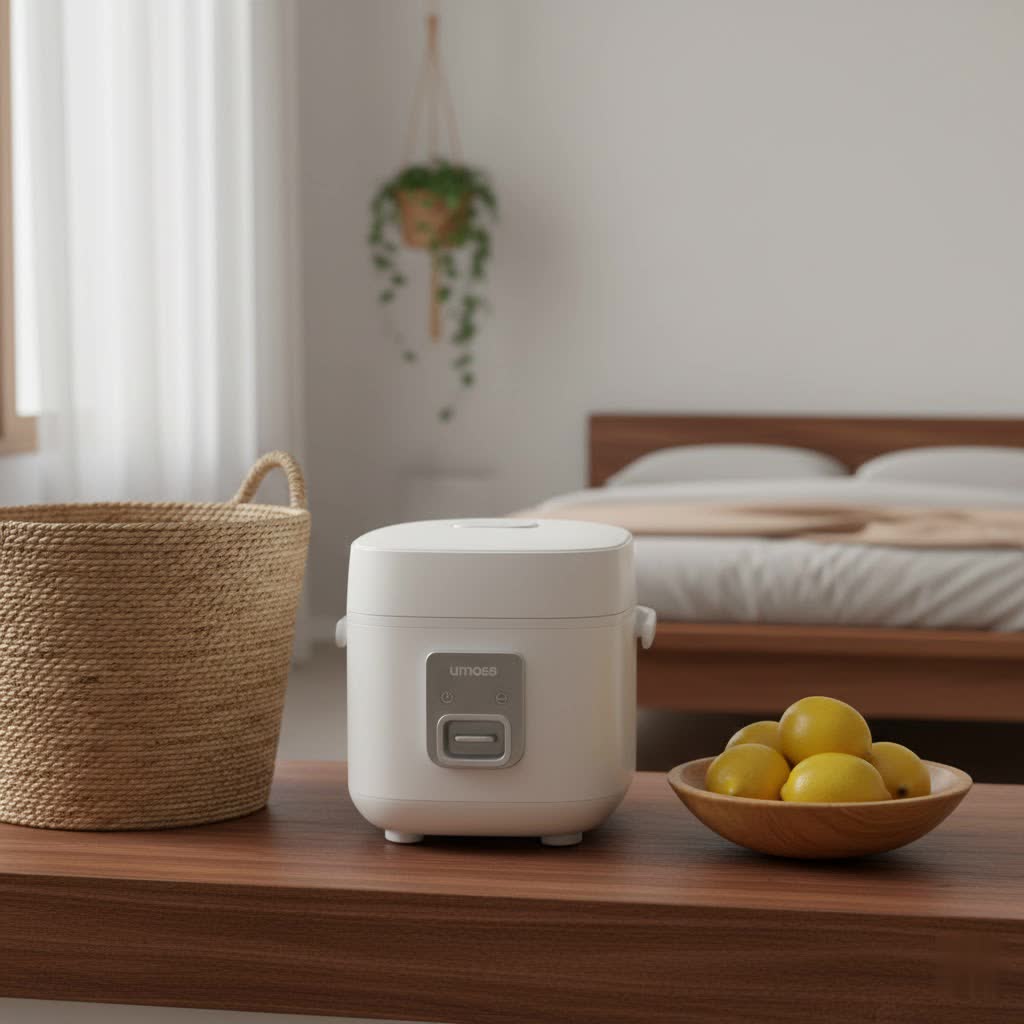
Why Pressure Cook Brown Rice? The Game-Changer
Brown rice, with its intact bran layer, demands a longer cooking time and more precise moisture management than its white rice counterpart. This is precisely where a pressure cooker shines. It creates a high-pressure, high-temperature environment that significantly reduces cooking time while ensuring even heat and moisture distribution. This translates to perfectly cooked grains that are tender, fluffy, and retain all their nutritional goodness without the usual fuss. No more hovering over the stove, no more guessing games – just set it and forget it, almost.
Getting Started: The Essentials for Perfect Brown Rice
Before you even think about hitting that “start” button, a few foundational steps will set you up for success.
Choosing Your Brown Rice: A Grain for Every Preference
|
Our Picks for the Best Rice Cooker in 2026
As an Amazon Associate I earn from qualifying purchases.
|
||
| Num | Product | Action |
|---|---|---|
| 1 | Zojirushi Micom 3-Cup Compact Size, Multiple Settings, Stainless Steel Made, Built-In Retractable Power Cord and Easy to Transport Rice Cooker and Warmer |

|
| 2 | Aroma Housewares 1.5Qt. Rice & Grain Cooker (ARC-363NGB),Black,6-Cup Cooked / 3-Cup Uncooked |
|
| 3 | AROMA Rice Cooker, 3-Cup (Uncooked) / 6-Cup (Cooked), Small Rice Cooker, Oatmeal Cooker, Soup Maker, Auto Keep Warm, 1.5 Qt, White, ARC-393NG |
|
| 4 | Zojirushi NS-ZCC10 5-1/2-Cup Neuro Fuzzy Rice Cooker and Warmer, Premium White |
|
| 5 | AROMA Digital Rice Cooker, 4-Cup (Uncooked) / 8-Cup (Cooked), Steamer, Grain Cooker, Multicooker, 2 Qt, Stainless Steel Exterior, ARC-914SBD |
|
| 6 | COSORI Rice Cooker 10 Cup, 24h Keep Warm, Non-stick Ceramic Inner Pot, 18 Functions Fuzzy Logic Rice Maker with Stainless Steel Steamer Basket, Sauté, Slow Cooker, Black |
|
| 7 | Toshiba Mini Rice Cooker, 3 Cups Uncooked Small Rice Cooker, Steamer & Warmer, With Fuzzy Logic And One-Touch Cooking, 24 Hour Delay Timer And Auto Keep Warm Feature, White |
|
| 8 | Aroma Housewares 20 Cup Cooked (10 cup uncooked) Digital Rice Cooker, Slow Cooker, Food Steamer, SS Exterior (ARC-150SB),Black |
|
| 9 | TOSHIBA Rice Cooker Small 3-Cup Uncooked– LCD Display with 8 Cooking Functions: Rice, Oatmeal, Mixed Grains and More, NonStick Inner Pot, Grey |
|
| 10 | AROMA® Rice Cooker, 3-Cup (Uncooked) / 6-Cup (Cooked), Small Rice Cooker, Oatmeal Cooker, Soup Maker, Auto Keep Warm, 1.5 Qt, White, ARC-363NG |
|
The world of brown rice is surprisingly diverse. You’ve got long-grain brown rice, known for its distinct, separate grains; short-grain brown rice, which tends to be a bit stickier; and aromatic varieties like brown basmati and brown jasmine, offering their unique fragrance. While the basic pressure cooking method remains largely similar, slight adjustments in water ratio or cooking time might be needed to perfectly match your chosen grain’s characteristics and your personal texture preference.
The Crucial First Step: Rinsing
Don’t skip this! Rinsing your brown rice thoroughly under cold water until the water runs clear is a simple yet vital step. This process removes excess surface starch, which is often the culprit behind sticky or gummy rice. Just place your brown rice in a fine-mesh sieve and let the cool water do its work for a minute or two, gently swirling the grains with your fingers.
To Soak or Not to Soak? Understanding the Benefits
Soaking brown rice before pressure cooking is an optional but highly recommended step, especially if you want to optimize texture and reduce cooking time. Brown rice’s tough outer bran layer benefits from a good soak, which helps it absorb water more evenly and softens the grain. A 20-30 minute soak can shave a few minutes off your pressure cooking time and contribute to a more tender, less chewy result. If you’re short on time, it’s not a deal-breaker, but if you have a moment, it’s worth it.
The Golden Ratios: Water to Rice in a Pressure Cooker
Getting the water-to-rice ratio right is arguably the most critical factor for perfect pressure-cooked brown rice. Unlike stovetop methods that often require excess water to be drained, pressure cooking uses the absorption method, meaning all the water added is absorbed by the rice.
For most long-grain brown rice varieties, a ratio of 1 cup brown rice to 1.25 cups of water is a fantastic starting point. However, some recipes suggest a 1:1 ratio for long grain, while others prefer a bit more, closer to 1.5 cups of water for a softer texture. My advice? Start with 1:1.25 and adjust slightly in future batches based on your desired firmness. If you prefer your rice a tad drier and fluffier, you might slightly reduce the water, perhaps to 1 cup per cup of rice. For stickier, shorter grain varieties, a touch more water can ensure the right texture.
Here’s a quick guide to help you:
| Brown Rice Type | Rice Quantity | Water Quantity | Target Texture |
|---|---|---|---|
| Long-Grain | 1 cup | 1.25 cups | Fluffy, tender |
| Long-Grain | 1 cup | 1.5 cups | Softer |
| Short-Grain | 1 cup | 1.25-1.3 cups | Tender, slightly chewier |
| Brown Basmati | 1 cup | 1.25 cups | Fluffy, aromatic |
Step-by-Step: Cooking Brown Rice in Your Pressure Cooker
Now that we’ve covered the prep and ratios, let’s get cooking! This method applies to most electric pressure cookers (like Instant Pots) and stovetop models.
- Combine Ingredients: Place your rinsed (and optionally soaked) brown rice into the inner pot of your pressure cooker. Add the appropriate amount of water according to the table above. If you’re looking for extra flavor, consider adding a pinch of salt (about ½ teaspoon per cup of rice) or substituting some of the water with chicken or vegetable broth.
- Seal and Set: Secure the lid on your pressure cooker and make sure the steam release valve is set to the “Sealing” position.
- High Pressure Cooking: Select the “Manual” or “Pressure Cook” setting and set it to HIGH pressure.
- For al dente brown rice: Aim for 18 minutes of cook time.
- For softer, fluffier brown rice: Set the timer for 20-22 minutes.
- (Note: The pressure cooker will take 5-10 minutes to come to pressure before the countdown begins.)
- Natural Pressure Release (NPR) is Key: Once the cooking cycle is complete, do NOT manually release the pressure immediately. Allowing a natural pressure release (NPR) for at least 10 minutes is crucial for brown rice. This resting period allows the grains to fully absorb the remaining moisture and steam, resulting in a more even texture and preventing mushiness. Some recipes even recommend a full natural release (up to 20 minutes) for the softest results.
- Quick Release (if needed): After the initial NPR (e.g., 10 minutes), if there’s still pressure, carefully switch the valve to the “Venting” position to release any remaining steam.
- Fluff and Serve: Once the pressure pin has dropped, indicating it’s safe to open, carefully remove the lid, tilting it away from your face. Use a fork to gently fluff the brown rice, separating the grains. Your perfectly cooked brown rice is ready to enjoy!
Common Pitfalls and How to Avoid Them
Even with the best instructions, sometimes things can go a little sideways. Here’s how to troubleshoot common brown rice blunders:
- Undercooked or Crunchy Rice: This usually means there wasn’t enough water, the cooking time was too short, or your pressure cooker didn’t seal properly. Double-check your water ratio, consider adding a minute or two to your cook time, and always ensure the sealing ring is properly seated and the valve is in the “Sealing” position.
- Mushy Rice: The opposite problem! Too much water or overcooking can lead to mushy rice. Ensure you’re using the correct water ratio for your desired texture and don’t rush the natural pressure release. A longer NPR can sometimes contribute to a softer, but not necessarily mushy, result.
- Burnt Rice: This is often a sign of insufficient liquid or an improper seal that allowed all the water to evaporate. If you frequently encounter burnt rice, especially at the bottom of the pot, check your sealing ring for wear and tear.
“The secret to consistently excellent brown rice isn’t just a recipe; it’s understanding your appliance and the nature of the grain,” says David Nguyen, a seasoned culinary technologist at Golmz. “Many issues boil down to small adjustments in water, time, or simply ensuring your pressure cooker is sealing correctly. It’s all about building that confidence through practice.”
Altitude Adjustments: Keep in mind that altitude can affect pressure cooking times. At higher altitudes, liquids boil at lower temperatures, which means you might need to increase your cooking time slightly. Consult your pressure cooker’s manual or an altitude adjustment chart if you live in a high-altitude area.
Beyond the Basics: Tips from a Rice Cooker Pro
As your go-to rice cooker expert at Golmz, I’ve got a few more tricks up my sleeve to elevate your brown rice experience.
- Flavor Enhancers: While water and salt create a neutral base, don’t be afraid to experiment! Using chicken broth or vegetable broth instead of water can infuse your brown rice with incredible depth of flavor. A bay leaf, a teaspoon of olive oil, or a knob of butter added to the pot can also make a subtle yet delicious difference.
- Batch Cooking and Freezing: Brown rice freezes beautifully! Cook a larger batch (some suggest at least 2 cups for even cooking in 6-quart or larger pressure cookers), let it cool completely, then portion it into freezer-safe bags or containers. This way, you’ll always have healthy brown rice ready for quick weeknight meals. It reheats wonderfully in the microwave or on the stovetop with a splash of water to re-moisten.
- Caring for Your Pressure Cooker’s Sealing Ring: The silicone sealing ring is crucial for maintaining pressure. Over time, it can absorb odors or become stretched and less effective. Consider having an affordable replacement on hand; it’s a small investment that prevents a lot of cooking frustration.
Frequently Asked Questions (FAQ)
Q: Can I cook different types of brown rice using the same method?
A: Yes, generally. While the core method (rinsing, water ratio, cook time, natural release) is similar for long-grain, short-grain, brown basmati, and brown jasmine rice, you might slightly adjust the water ratio or cooking time by 1-2 minutes to achieve your preferred texture, as short-grain rice might absorb water differently than long-grain.
Q: What if my brown rice is still crunchy after cooking?
A: If your brown rice is crunchy, it likely needs more cooking time or more liquid. Ensure your pressure cooker reached and maintained pressure, check your water-to-rice ratio, and try adding an extra 2-3 minutes to the cooking time in your next batch. Also, ensure you allowed sufficient natural pressure release.
Q: Why is my brown rice mushy?
A: Mushy brown rice typically means too much water or overcooking. Reduce the water slightly in your next batch (e.g., from 1.5 cups to 1.25 cups per cup of rice) or decrease the high-pressure cooking time by 1-2 minutes. Always ensure you’re using a natural pressure release for brown rice.
Q: Do I need to soak brown rice before pressure cooking?
A: Soaking brown rice for 20-30 minutes before pressure cooking is optional but recommended. It can lead to a more tender texture and potentially reduce the cooking time by a minute or two, as it helps soften the bran layer.
Q: Can I use the ‘Rice’ button on my Instant Pot for brown rice?
A: While your Instant Pot has a “Rice” button, it’s often calibrated for white rice. For brown rice, it’s usually best to use the “Manual” or “Pressure Cook” setting and manually set the time (20-22 minutes high pressure) to ensure proper cooking, followed by a natural pressure release.
The Simplicity of Wholesome Eating
Cooking perfect brown rice in your pressure cooker truly is a revelation. It takes a grain that was once perceived as difficult and transforms it into a quick, easy, and consistently delicious addition to any meal. At Golmz, we believe that making healthy choices in the kitchen should be straightforward and enjoyable. So, go ahead, give this method a try. Experiment with different brown rice varieties and flavor enhancers. You’ll soon find yourself confidently whipping up fluffy, flavorful brown rice that your family will love. Share your perfectly pressure-cooked brown rice creations with us – we can’t wait to see what you make!
