Are you on a quest for not just perfectly cooked rice, but also a healthier approach to your daily meals? If so, you’ve likely heard the buzz about Ceramic Rice Cookers. At Golmz.com, where we delve deep into every facet of rice cooker technology, we’ve seen firsthand how these appliances are transforming kitchens and elevating culinary experiences. A ceramic rice cooker offers a compelling blend of health benefits, superior cooking performance, and user-friendly design, making it a standout choice for discerning home cooks.
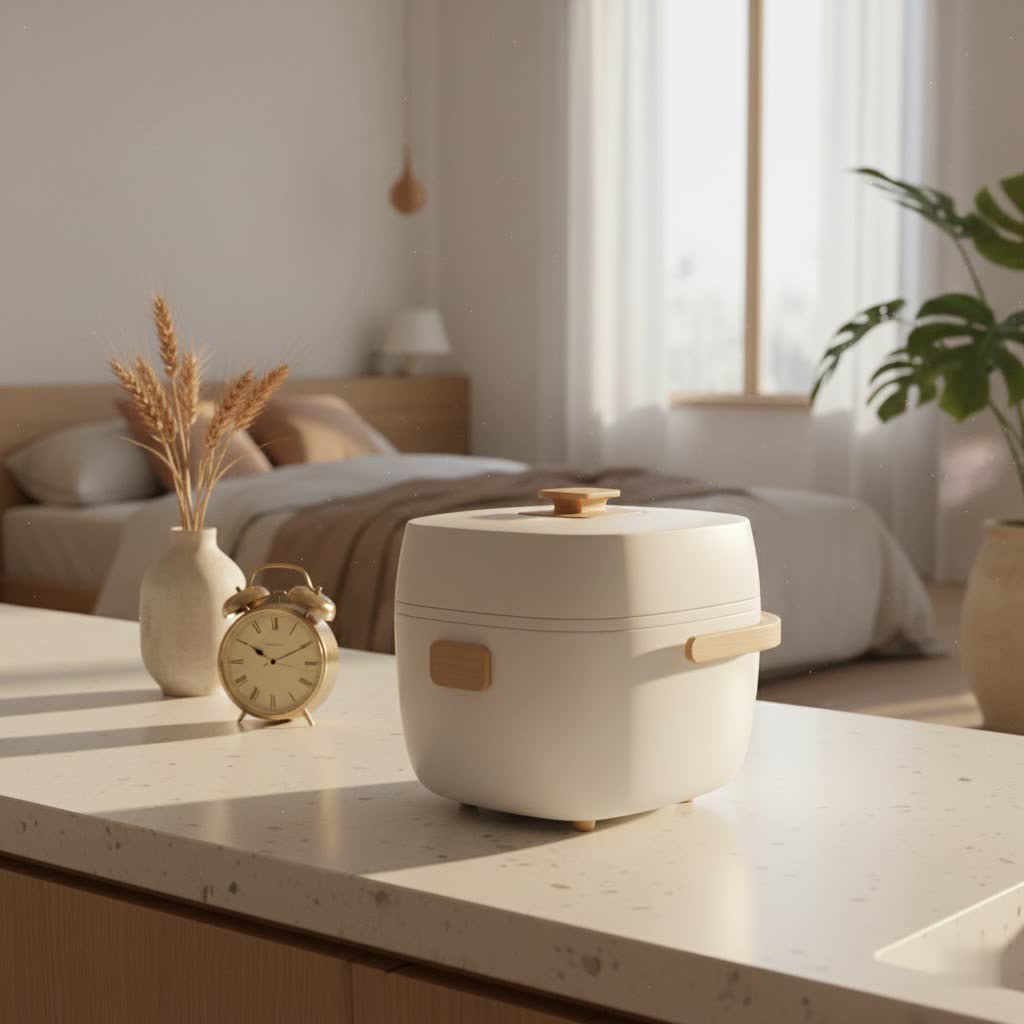
What Makes Ceramic Rice Cookers Stand Out?
When it comes to kitchen appliances, the materials they’re made from matter, especially for something you use regularly. Ceramic rice cookers have garnered significant attention, and for good reason. They bring several distinct advantages to your countertop, focusing on both your well-being and the quality of your food.
Health Benefits: A Non-Toxic Choice
|
Our Picks for the Best Rice Cooker in 2026
As an Amazon Associate I earn from qualifying purchases.
|
||
| Num | Product | Action |
|---|---|---|
| 1 | Zojirushi Micom 3-Cup Compact Size, Multiple Settings, Stainless Steel Made, Built-In Retractable Power Cord and Easy to Transport Rice Cooker and Warmer |

|
| 2 | TOSHIBA Rice Cooker Small 3-Cup Uncooked– LCD Display with 8 Cooking Functions: Rice, Oatmeal, Mixed Grains and More, NonStick Inner Pot, Grey |
|
| 3 | AROMA Digital Rice Cooker, 4-Cup (Uncooked) / 8-Cup (Cooked), Steamer, Grain Cooker, Multicooker, 2 Qt, Stainless Steel Exterior, ARC-914SBD |
|
| 4 | AROMA® Rice Cooker, 3-Cup (Uncooked) / 6-Cup (Cooked), Small Rice Cooker, Oatmeal Cooker, Soup Maker, Auto Keep Warm, 1.5 Qt, White, ARC-363NG |
|
| 5 | AROMA Rice Cooker, 3-Cup (Uncooked) / 6-Cup (Cooked), Small Rice Cooker, Oatmeal Cooker, Soup Maker, Auto Keep Warm, 1.5 Qt, White, ARC-393NG |
|
| 6 | Toshiba Mini Rice Cooker, 3 Cups Uncooked Small Rice Cooker, Steamer & Warmer, With Fuzzy Logic And One-Touch Cooking, 24 Hour Delay Timer And Auto Keep Warm Feature, White |
|
| 7 | Aroma Housewares 20 Cup Cooked (10 cup uncooked) Digital Rice Cooker, Slow Cooker, Food Steamer, SS Exterior (ARC-150SB),Black |
|
| 8 | COSORI Rice Cooker 10 Cup, 24h Keep Warm, Non-stick Ceramic Inner Pot, 18 Functions Fuzzy Logic Rice Maker with Stainless Steel Steamer Basket, Sauté, Slow Cooker, Black |
|
| 9 | Zojirushi NS-ZCC10 5-1/2-Cup Neuro Fuzzy Rice Cooker and Warmer, Premium White |
|
| 10 | Aroma Housewares 1.5Qt. Rice & Grain Cooker (ARC-363NGB),Black,6-Cup Cooked / 3-Cup Uncooked |
|
One of the most compelling reasons to choose a ceramic rice cooker is its commitment to health. Many traditional non-stick coatings contain chemicals like PTFE, PFOA, and PFAS, which have raised environmental and health concerns when scratched or overheated. Ceramic, however, offers a refreshing alternative. Ceramic rice cookers are notably free from harmful chemicals such as PFAS, lead, and cadmium, ensuring your food stays pure and untainted. [cite: 1, 2, 4 (from ceramic benefits)] This non-toxic nature means you don’t have to worry about unwanted substances leaching into your meals, making it a safe choice for health-conscious individuals. [cite: 1 (from ceramic benefits)] Furthermore, ceramic is a neutral material, meaning it won’t react with acidic or alkaline foods, effectively preserving the natural taste and integrity of your grains. [cite: 1, 2 (from ceramic benefits)]
Superior Cooking Performance
Beyond health, a ceramic rice cooker truly shines in its cooking capabilities. The unique properties of ceramic allow for incredibly even heat distribution. Unlike some materials that might have hot spots, ceramic pots heat slowly and uniformly, ensuring every grain of rice absorbs water perfectly and cooks consistently. [cite: 1 (from ceramic benefits)] This gentle, steady heat is key to achieving that coveted fluffy texture and distinct flavor in your rice. Many users report that rice cooked in ceramic pots tastes better and has a more natural flavor. [cite: 2 (from ceramic benefits)]
It’s worth noting that modern ceramic coatings have evolved significantly. While traditional clay or pottery ceramics might take a longer time to heat up and distribute heat unevenly, advanced ceramic-coated inner bowls combine the benefits of traditional ceramic with enhanced heat conduction and durability, often layered over stainless steel or aluminum for optimal performance. [cite: 3, 5 (from ceramic benefits)] This innovative design ensures that you get all the advantages without the drawbacks, leading to perfectly cooked rice every time.
Ease of Use and Maintenance
Let’s be honest, cleaning up after cooking can be a chore. Fortunately, ceramic rice cooker pots are typically easy to clean due to their naturally non-stick nature. [cite: 1 (from ceramic benefits)] A simple wipe with a soft sponge is often all it takes to remove food residue, making meal prep and cleanup a breeze. [cite: 3 (from ceramic benefits), 4 (from ceramic benefits)] This ease of maintenance contributes significantly to the overall user experience, saving you time and effort in the kitchen.
Ceramic vs. Other Rice Cooker Materials
Choosing a rice cooker isn’t just about features; it’s fundamentally about the material of the inner pot. Each material brings its own set of characteristics to the cooking process, impacting everything from safety to taste. Let’s stack ceramic against its common counterparts.
Ceramic vs. Traditional Non-Stick (Teflon/PTFE)
For years, non-stick coatings like Teflon dominated the market due to their excellent food release. However, concerns about harmful chemicals like PFAS, which can be released when these coatings are scratched or overheated, have led many cooks to seek safer alternatives. [cite: 1 (from ceramic vs nonstick), 4 (from best ceramic reviews)]
- Ceramic: Offers a non-toxic, chemical-free cooking surface, alleviating health worries. It provides good non-stick properties, allowing for easy serving and cleanup without the chemical exposure risks.
- Traditional Non-Stick (Teflon/PTFE): Often more affordable and incredibly non-stick, making it very convenient. However, its durability can be limited, and damage can potentially release harmful chemicals, making careful handling crucial.
Ceramic vs. Stainless Steel
Stainless steel is another popular choice, lauded for its durability and inert nature. It’s a robust material that withstands scratches and dings, making it a long-lasting option for many kitchen tasks. [cite: 3 (from ceramic vs nonstick)]
- Ceramic: excels in providing gentle, even heat, often resulting in fluffier, more delicately cooked rice. Its non-stick surface generally makes cleanup easier and helps preserve the natural flavors of the rice. [cite: 2 (from ceramic benefits)]
- Stainless Steel: Offers unmatched durability and is completely chemical-free, resisting heat and requiring no chemical coatings. [cite: 2 (from ceramic vs nonstick)] However, stainless steel pots can sometimes lead to rice sticking more readily, and they might not offer the same delicate, even heating as ceramic for all types of grains. [cite: 4 (from ceramic vs nonstick)] While excellent for versatility and durability, some users find the rice can be firmer or require more attention to prevent sticking.
Here’s a quick overview to help you compare:
| Feature | Ceramic | Non-Stick (Teflon/PTFE) | Stainless Steel |
|---|---|---|---|
| Safety | Excellent (Non-toxic, chemical-free) | Potential concerns if damaged/overheated | Excellent (Inert, durable) |
| Cooking | Even, gentle, preserves flavor | Fast, even | Durable, versatile |
| Non-stick | Good to Excellent (modern coatings) | Excellent | Can stick (requires more care) |
| Durability | Good (modern coatings) to Moderate (pure ceramic) | Limited (prone to scratches) | Excellent (Highly resistant to damage) |
| Cost | Mid-High | Low to Mid | Mid-High |
Choosing Your Perfect Ceramic Rice Cooker: A Buyer’s Guide
Selecting the right ceramic rice cooker for your kitchen involves more than just picking a pretty pot. It’s about matching the appliance’s capabilities with your specific cooking habits and needs.
Capacity Considerations
The first thing to consider is how much rice you typically cook. Ceramic rice cookers come in various sizes:
- Small (3-6 cups cooked rice): Ideal for singles, couples, or small families. Perfect for daily use without taking up too much counter space.
- Medium (8-10 cups cooked rice): Suitable for average-sized families or those who frequently entertain guests.
- Large (12+ cups cooked rice): Best for large gatherings, batch cooking, or big families.
Smart Features and Technology
Modern ceramic rice cookers often come packed with advanced features that can significantly enhance your cooking experience:
- Fuzzy Logic Technology: This intelligent system automatically adjusts cooking time and temperature based on the type of rice and even small variances in water or grain measurements, ensuring consistently perfect results. [cite: 1, 3 (from best ceramic reviews), 5 (from best ceramic reviews)]
- Induction Heating (IH): IH rice cookers use magnetic fields to generate heat directly within the inner pot, providing precise temperature control and exceptionally even cooking. This often results in superior rice quality. [cite: 3 (from ceramic benefits), 5 (from ceramic benefits)]
- 3D Heating: Ensures heat is distributed not just from the bottom, but also from the sides and lid, providing comprehensive and even cooking. [cite: 3 (from ceramic benefits)]
- Pre-set Programs: Look for models with specific settings for white rice, brown rice, mixed grains, sushi rice, porridge, and even steaming or slow cooking. [cite: 1, 3 (from best ceramic reviews)]
- Keep-Warm Function: An essential feature that automatically switches to a warming mode once cooking is complete, keeping your rice at the ideal serving temperature without overcooking. [cite: 4 (from ceramic benefits), 5 (from best ceramic reviews)]
Design and Build Quality
Pay attention to the construction of the inner pot. High-quality ceramic rice cookers often feature multi-layered inner bowls with thick ceramic coatings (e.g., 2mm or more) bound to a stainless steel structure, sometimes with an aluminum outer layer for optimal heat conduction. [cite: 5 (from ceramic benefits)] User-friendly controls, durable exteriors, and easy-to-read displays also contribute to a better overall experience.
Top Brands and Models to Consider
Several brands have made a name for themselves in the ceramic rice cooker market. Brands like Aroma, Yum Asia, GreenLife, Instant Zest, and Reishunger are frequently highlighted for their reliable ceramic offerings. When researching, look for models that boast fuzzy logic, induction heating, and a good range of pre-set cooking programs to truly get the most out of your investment.
Tips for Using and Maintaining Your Ceramic Rice Cooker
To ensure your ceramic rice cooker provides years of delicious, perfectly cooked rice, a little care goes a long way.
Preparing Your Rice
- Rinsing is Key: Always rinse your rice thoroughly under cool water before cooking. This removes excess surface starch, preventing the rice from becoming clumpy or gummy and ensuring fluffy, separated grains. [cite: 4 (from ceramic benefits)] Avoid warm water, as it can start to cook the rice prematurely.
- Correct Water Ratios: Follow your rice cooker’s manual or general guidelines for water-to-rice ratios, as these can vary slightly depending on the type of rice and cooker model. Precision leads to perfection!
Cooking Best Practices
- Avoid Metal Utensils: While ceramic coatings are durable, it’s always best to use the plastic spatula provided or other non-metal utensils to prevent any accidental scratches to the inner pot’s surface.
- Don’t Overfill: Adhere to the maximum fill lines to ensure proper cooking and prevent overflowing.
Cleaning and Care
- Gentle Cleaning: After each use, allow the pot to cool completely. Then, simply wipe it clean with a soft sponge and mild dish soap. The non-stick surface makes this remarkably easy. [cite: 3 (from ceramic benefits), 4 (from ceramic benefits)]
- Avoid Abrasive Cleaners: Harsh scrubbers or abrasive cleaning agents can damage the ceramic coating. Stick to gentle methods to preserve your pot’s integrity.
- Regular Deep Cleaning: Periodically, check for any stuck-on residue in hard-to-reach places or abnormal odors, and perform a deeper clean if necessary, always ensuring the cooker is cool. [cite: 4 (from ceramic benefits)]
Beyond White Rice: Recipes for Your Ceramic Cooker
Your ceramic rice cooker is far more versatile than just cooking plain white rice. Its even heating and gentle cooking environment make it perfect for a variety of dishes.
- Creamy Porridge and Oatmeal: Many ceramic rice cookers have specific settings for preparing comforting porridges, whether it’s a savory congee or a hearty bowl of steel-cut oats.
- Steamed Vegetables and Proteins: Utilize the steaming basket (if included) to perfectly steam vegetables, fish, or chicken while your rice cooks below, making healthy one-pot meals effortless.
- Flavorful One-Pot Meals: Experiment with recipes like jambalaya, chili, or even a simple soup. The ceramic pot’s non-reactive surface is excellent for slow-cooked dishes, allowing flavors to meld beautifully.
- Desserts: Some advanced models even offer settings for baking cakes or making yogurt, proving just how adaptable these appliances can be.
Expert Insights on Ceramic Rice Cookers
“As a seasoned culinary expert with decades of experience, I’ve observed that the natural properties of ceramic truly allow the delicate flavors of rice to shine through, creating a more authentic and enjoyable eating experience,” says Chef Anya Sharma. “The even heat distribution and non-reactive surface are game-changers for anyone serious about the quality of their grains, ensuring every batch is a masterpiece.”
The Golmz.com Verdict
Investing in a ceramic rice cooker means investing in healthier cooking and consistently delicious results. These appliances address the concerns of traditional non-stick coatings while offering superior performance that enhances the flavor and texture of your rice. From its non-toxic composition to its gentle, even heating, a ceramic rice cooker truly empowers you to cook with confidence and joy. So, if you’re ready to elevate your rice game and embrace a healthier kitchen, explore the world of ceramic rice cookers. Your palate, and your health, will thank you.
