In the bustling symphony of a modern kitchen, few appliances promise such simple yet profound convenience as the Electric Rice Cooker. It’s a true kitchen hero, transforming humble grains into perfectly cooked, fluffy rice with minimal fuss. For anyone who loves a good meal, an electric rice cooker isn’t just a gadget; it’s an essential partner, ensuring your staple is always just right, whether you’re a seasoned chef or just starting your culinary journey. Forget mushy, burnt, or unevenly cooked rice – this appliance takes the guesswork out, leaving you free to focus on the rest of your feast.
The Heart of Every Kitchen: What is an Electric Rice Cooker?
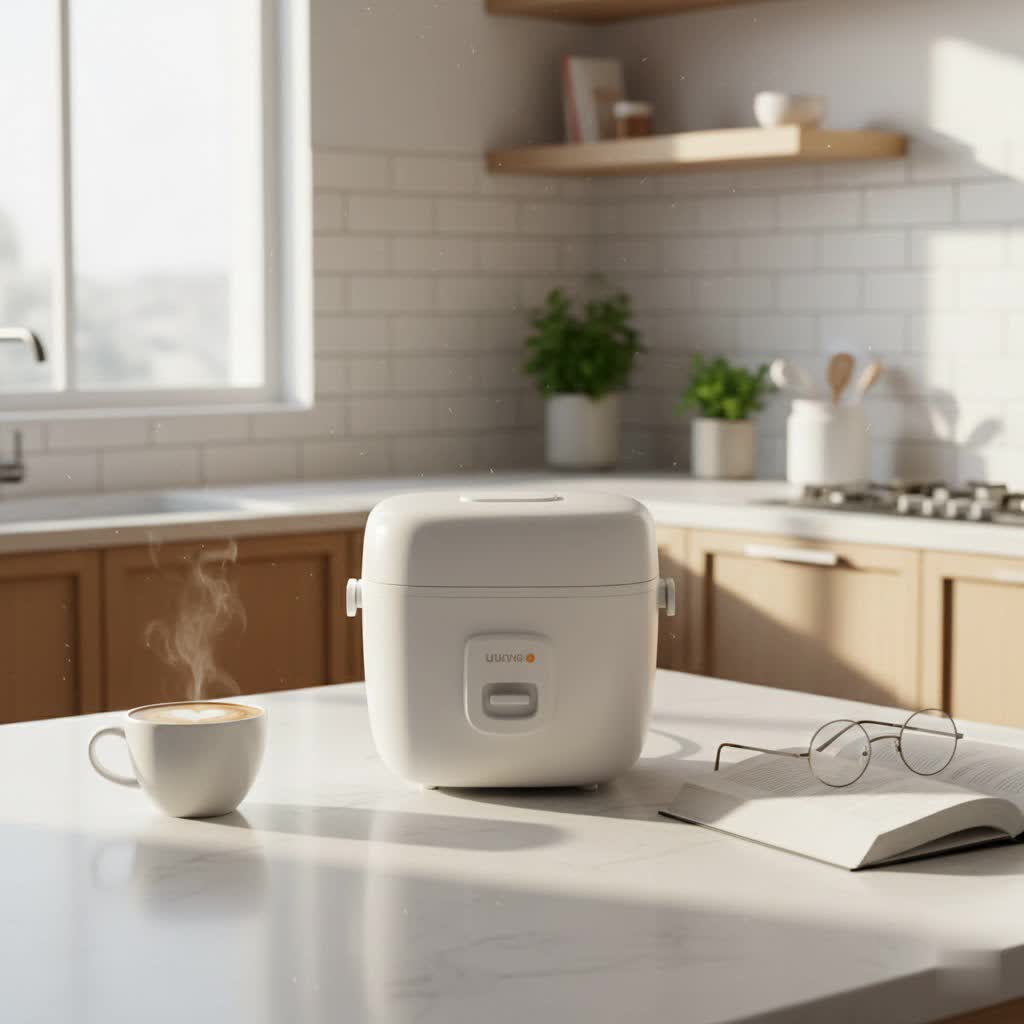
At its core, an electric rice cooker is a kitchen appliance designed to automate the process of cooking rice. You simply add rice and water, press a button, and it handles the rest. These remarkable machines use a heating element to bring the water to a boil, then maintain a precise temperature to steam the rice until all the water is absorbed and the grains are perfectly tender. Once cooking is complete, most models automatically switch to a “keep warm” mode, ensuring your rice stays at the ideal serving temperature without overcooking. This ingenious simplicity has made the electric rice cooker a global staple, saving time and guaranteeing consistent results day in and day out.
Demystifying Electric Rice Cooker Types
The world of electric rice cookers is more diverse than you might imagine, with various types designed to cater to different needs, budgets, and culinary ambitions. Understanding these differences is key to finding your perfect match.
Basic / Conventional Rice Cookers
|
Our Picks for the Best Rice Cooker in 2026
As an Amazon Associate I earn from qualifying purchases.
|
||
| Num | Product | Action |
|---|---|---|
| 1 | Zojirushi Micom 3-Cup Compact Size, Multiple Settings, Stainless Steel Made, Built-In Retractable Power Cord and Easy to Transport Rice Cooker and Warmer |

|
| 2 | AROMA Rice Cooker, 3-Cup (Uncooked) / 6-Cup (Cooked), Small Rice Cooker, Oatmeal Cooker, Soup Maker, Auto Keep Warm, 1.5 Qt, White, ARC-393NG |
|
| 3 | Aroma Housewares 20 Cup Cooked (10 cup uncooked) Digital Rice Cooker, Slow Cooker, Food Steamer, SS Exterior (ARC-150SB),Black |
|
| 4 | Zojirushi NS-ZCC10 5-1/2-Cup Neuro Fuzzy Rice Cooker and Warmer, Premium White |
|
| 5 | Toshiba Mini Rice Cooker, 3 Cups Uncooked Small Rice Cooker, Steamer & Warmer, With Fuzzy Logic And One-Touch Cooking, 24 Hour Delay Timer And Auto Keep Warm Feature, White |
|
| 6 | COSORI Rice Cooker 10 Cup, 24h Keep Warm, Non-stick Ceramic Inner Pot, 18 Functions Fuzzy Logic Rice Maker with Stainless Steel Steamer Basket, Sauté, Slow Cooker, Black |
|
| 7 | Aroma Housewares 1.5Qt. Rice & Grain Cooker (ARC-363NGB),Black,6-Cup Cooked / 3-Cup Uncooked |
|
| 8 | AROMA Digital Rice Cooker, 4-Cup (Uncooked) / 8-Cup (Cooked), Steamer, Grain Cooker, Multicooker, 2 Qt, Stainless Steel Exterior, ARC-914SBD |
|
| 9 | TOSHIBA Rice Cooker Small 3-Cup Uncooked– LCD Display with 8 Cooking Functions: Rice, Oatmeal, Mixed Grains and More, NonStick Inner Pot, Grey |
|
| 10 | AROMA® Rice Cooker, 3-Cup (Uncooked) / 6-Cup (Cooked), Small Rice Cooker, Oatmeal Cooker, Soup Maker, Auto Keep Warm, 1.5 Qt, White, ARC-363NG |
|
These are the entry-level models – straightforward, affordable, and incredibly reliable. They typically feature a simple “cook” and “warm” switch. While they may lack advanced programming, they excel at consistently cooking white rice. They’re an excellent choice for individuals or small families who primarily cook one type of rice and appreciate simplicity.
Micom (Fuzzy Logic) Rice Cookers
Stepping up in sophistication, Micom (Microcomputerized) rice cookers employ “fuzzy logic” technology. This means they have a microchip that “thinks” and adjusts cooking time and temperature based on sensor readings. They can account for variables like differing rice types (white, brown, sushi), water amounts, and even ambient temperature, resulting in more precisely cooked rice with improved texture and taste. Many also offer specialized settings for porridge, congee, and mixed rice.
Induction Heating (IH) Rice Cookers
For those seeking the pinnacle of rice cooking, IH rice cookers are the answer. Instead of a traditional heating element at the bottom, these models use electromagnetic fields to heat the entire inner pot. This results in faster, more even heating and incredibly precise temperature control, allowing for nuanced adjustments throughout the cooking cycle. IH cookers are often praised for producing exceptionally fluffy, flavorful rice and are particularly popular for cooking Japanese and other premium rice varieties.
Pressure Rice Cookers
Combining the benefits of a rice cooker with pressure cooking technology, these appliances cook rice at higher temperatures and pressures. This drastically reduces cooking time, especially for tougher grains like brown rice, and helps to infuse more flavor and moisture into the rice, making it exceptionally tender and sticky. Some high-end IH models also incorporate pressure cooking for ultimate performance.
Multi-Functional Rice Cookers
Many modern electric rice cookers go beyond just rice, offering a versatile range of functions. These appliances often include settings for steaming vegetables, slow cooking stews, making soups, baking cakes, or even preparing yogurt. Their multi-purpose nature makes them a fantastic space-saving addition to any kitchen, allowing you to create diverse meals with a single device.
Essential Features to Look for in Your Electric Rice Cooker
When choosing an electric rice cooker, a few key features can significantly enhance your cooking experience and the quality of your meals.
Capacity
This is perhaps the most fundamental consideration. Rice cooker capacity is typically measured in uncooked cups, though some brands may list cooked capacity (which is roughly double).
- Small (1-3 cups uncooked): Ideal for singles or couples.
- Medium (4-6 cups uncooked): Suits small families (3-5 people).
- Large (7-10+ cups uncooked): Perfect for larger families, entertaining, or meal prepping.
Think about how much rice you typically cook at once to avoid under or over-sizing your appliance.
Inner Pot Material
The inner pot is where the magic happens, and its material affects both cooking performance and durability.
- Non-stick aluminum: Common, affordable, and easy to clean. Look for durable coatings.
- Ceramic or Copper-infused: Often found in higher-end models, these can offer improved heat distribution and durability.
- Stainless Steel: A non-reactive, durable option, though some prefer non-stick for easier cleaning.
Cooking Functions & Settings
Modern electric rice cookers offer a plethora of specialized settings beyond just “white rice.” Look for:
- Specific rice types: White, brown, sushi, sweet, mixed, quick cook, GABA.
- Other grain settings: Quinoa, oats, farro.
- Texture options: Regular, firm, soft (especially in advanced models).
- Steaming tray: For vegetables, dumplings, or fish.
Keep-Warm & Delay Timer
These are convenience champions. A reliable keep-warm function maintains your rice at a food-safe serving temperature for hours without drying it out. A delay timer allows you to set the cooker to start at a future time, so you can wake up to fresh porridge or come home to perfectly cooked rice.
Ease of Cleaning
A non-stick inner pot is a given for easy cleaning. Look for models with detachable lids and steam vents that can be easily removed and washed. Dishwasher-safe parts are a huge bonus for busy cooks.
Safety Features
Automatic shut-off when cooking is complete is standard. Other safety features might include cool-touch exteriors and secure locking lids, especially on pressure models.
Your Ultimate Guide to Choosing the Perfect Electric Rice Cooker
Navigating the market for an electric rice cooker can feel overwhelming, but by focusing on your specific needs, you can make an informed choice that will serve your kitchen for years.
Consider Your Cooking Habits
Are you a daily rice eater, or is it an occasional side dish? Do you stick to white rice, or do you love experimenting with brown, wild, or even grains like quinoa? If rice is a staple, investing in a Micom or IH cooker will pay dividends in consistency and flavor. If you occasionally cook small batches, a basic model might suffice.
Match Capacity to Your Household
As discussed, capacity is crucial. A single person might find a 3-cup cooker ideal, while a family of four-to-six would likely benefit from a 5.5-cup or 10-cup model. Don’t forget to account for guests or meal prepping if you tend to cook in larger batches.
Set Your Budget
Electric rice cookers range widely in price, from under $50 for basic models to several hundred dollars for high-end IH pressure cookers. While budget models can offer excellent value, investing a bit more in a fuzzy logic or IH model often translates to superior performance, greater versatility, and enhanced durability. “The sweet spot for most buyers is between $70 and $100,” notes Chef Leo Nguyen, Head Culinary Engineer at Golmz Kitchens. “This range typically offers a great balance of features, consistency, and build quality without breaking the bank.”
Brand Reputation & Warranty
Reputable brands like Zojirushi, Cuckoo, Tiger, Aroma, and Panasonic have a proven track record for quality and customer support. Always check the warranty period; a longer warranty often indicates greater confidence from the manufacturer in their product’s longevity.
Mastering Your Electric Rice Cooker: Usage Tips for Fluffy Perfection
Even the most advanced electric rice cooker benefits from a few fundamental practices to ensure you achieve perfect, fluffy rice every time.
Measure Accurately
Always use the measuring cup provided with your rice cooker. These cups are often slightly smaller than standard US measuring cups (typically 180ml vs. 240ml), and following the cooker’s specific measurements is vital for the correct rice-to-water ratio.
Rinse Your Rice
For most types of white rice, rinsing until the water runs clear is a game-changer. This removes excess surface starch, preventing the rice from becoming gummy or overly sticky. Place the rice in the inner pot, add water, swirl gently, and drain. Repeat several times. For brown rice, rinsing is less critical but still beneficial.
The Right Water-to-Rice Ratio
While your cooker’s manual is the ultimate authority, a common starting point for white rice is a 1:1 ratio (e.g., 1 cup rice to 1 cup water). For brown rice, it’s often 1 cup rice to 1.5-2 cups water, as it requires more hydration. Some cooks swear by the “knuckle method,” where you add water until it reaches the first knuckle of your index finger when the tip of your finger is resting on the surface of the rice.
Cooking & Keep Warm
Once rice and water are in, close the lid securely, select your desired setting, and press start. Most electric rice cookers will automatically switch to “keep warm” when done. While this function is great, avoid leaving rice on keep warm for excessively long periods (over 12-24 hours) as it can start to dry out or change texture.
“Many home cooks underestimate the power of rinsing and the correct water ratio,” says Chef Leo Nguyen. “These two simple steps are fundamental to achieving restaurant-quality rice at home. A good electric rice cooker does the hard work, but you set it up for success.”
Keeping Your Electric Rice Cooker in Top Shape: Maintenance & Care
Proper care not only ensures your electric rice cooker delivers perfect results consistently but also significantly extends its lifespan.
Regular Cleaning
After each use, unplug the cooker and allow it to cool completely.
- Inner Pot: Hand wash with warm, soapy water and a soft sponge. Avoid abrasive scrubbers that can damage non-stick coatings.
- Lid & Steam Vent: If detachable, wash these thoroughly to remove any starch or food residue. For fixed lids, wipe down carefully with a damp cloth.
- Exterior: Wipe the exterior with a damp cloth. Never submerge the main body of the cooker in water.
- Heating Plate: Gently wipe the heating plate at the bottom of the main unit to remove any spills or food bits. Ensure it’s dry before next use.
Descaling
Over time, mineral deposits from water can build up on the inner pot or heating element. Periodically (every few months, depending on water hardness), fill the pot with equal parts water and white vinegar, let it sit for a while, or even run a short cook cycle (if the manual allows for cleaning cycles), then scrub and rinse thoroughly.
Check Components
Regularly inspect the power cord and plug for any signs of damage. Ensure the steam vent is clear of blockages, as this can affect cooking performance and safety.
Proper Storage
Ensure all parts are completely dry before reassembling and storing your electric rice cooker in a cool, dry, and dust-free place.
Beyond Rice: Creative Recipes for Your Electric Rice Cooker
Your electric rice cooker is a surprisingly versatile appliance that can do much more than just cook perfect grains.
- Porridge & Oatmeal: Many cookers have dedicated settings for creamy, comforting porridges.
- Steamed Dishes: Utilize the steamer basket to perfectly steam vegetables, fish fillets, dumplings, or even chicken breast.
- Soups & Stews: Simmer hearty soups or tender stews. Basic models can do this on their “cook” setting, while multi-cookers often have specialized functions.
- One-Pot Meals: Get creative with recipes like chicken and rice, or even macaroni and cheese, where everything cooks together in the pot.
- Cakes & Desserts: Believe it or not, some rice cookers can even bake simple cakes or brownies, creating a moist, tender result.
Frequently Asked Questions About Electric Rice Cookers
What is the ideal water-to-rice ratio for white rice in an electric rice cooker?
While it can vary by rice type and cooker, a general starting point for white rice is a 1:1 ratio (1 cup rice to 1 cup water). Always consult your specific rice cooker’s manual for the most accurate recommendation.
Can I cook different types of rice in the same electric rice cooker?
Yes, many modern electric rice cookers, especially Micom and IH models, have specific settings for different rice varieties like white, brown, sushi, and sweet rice, optimizing cooking for each.
How long can rice stay in the “keep warm” setting?
Most manufacturers recommend keeping rice on the “keep warm” setting for no longer than 12-24 hours. After this, the texture can start to degrade, and for food safety, it’s best to consume or refrigerate it.
Do I need to rinse rice before cooking in an electric rice cooker?
Rinsing white rice is highly recommended to remove excess starch, which helps prevent the rice from becoming sticky or gummy. For brown rice, rinsing is optional but can still contribute to a better texture.
Are electric rice cookers energy efficient?
Yes, electric rice cookers are generally quite energy-efficient for their task, often using less power than cooking rice on a stovetop burner for the same duration.
Can an electric rice cooker be used as a steamer?
Many electric rice cookers come with a dedicated steamer basket or have a “steam” function, allowing you to easily steam vegetables, seafood, and other foods simultaneously or independently.
What are the benefits of an Induction Heating (IH) rice cooker?
IH rice cookers provide faster, more even heating and superior temperature control compared to conventional models. This results in exceptionally consistent, fluffy, and flavorful rice, particularly noticeable with premium rice varieties.
Conclusion
An electric rice cooker is more than just a convenience; it’s an investment in consistently delicious meals and a testament to modern kitchen efficiency. From the simple functionality of basic models to the sophisticated precision of IH pressure cookers, there’s a perfect appliance for every cook and every kitchen. By understanding the different types, key features, and how to properly use and maintain your cooker, you unlock a world of culinary possibilities. So go ahead, explore the possibilities, and experience the joy of perfectly cooked rice, every single time. Your taste buds, and your busy schedule, will thank you.
