As a seasoned appliance engineer with over a decade of experience, particularly in the fascinating world of rice cookers, I’ve seen countless innovations come and go. Yet, the Korean Rice Cooker stands out as a true marvel, consistently delivering results that transform a simple meal into an experience. Here at Golmz.com, our mission is to empower you with knowledge, and today, we’re diving deep into why a Korean rice cooker might just be the most valuable addition to your kitchen. If you’re tired of dry, sticky, or unevenly cooked rice, get ready to discover the secret to fluffy, perfectly textured grains every single time.
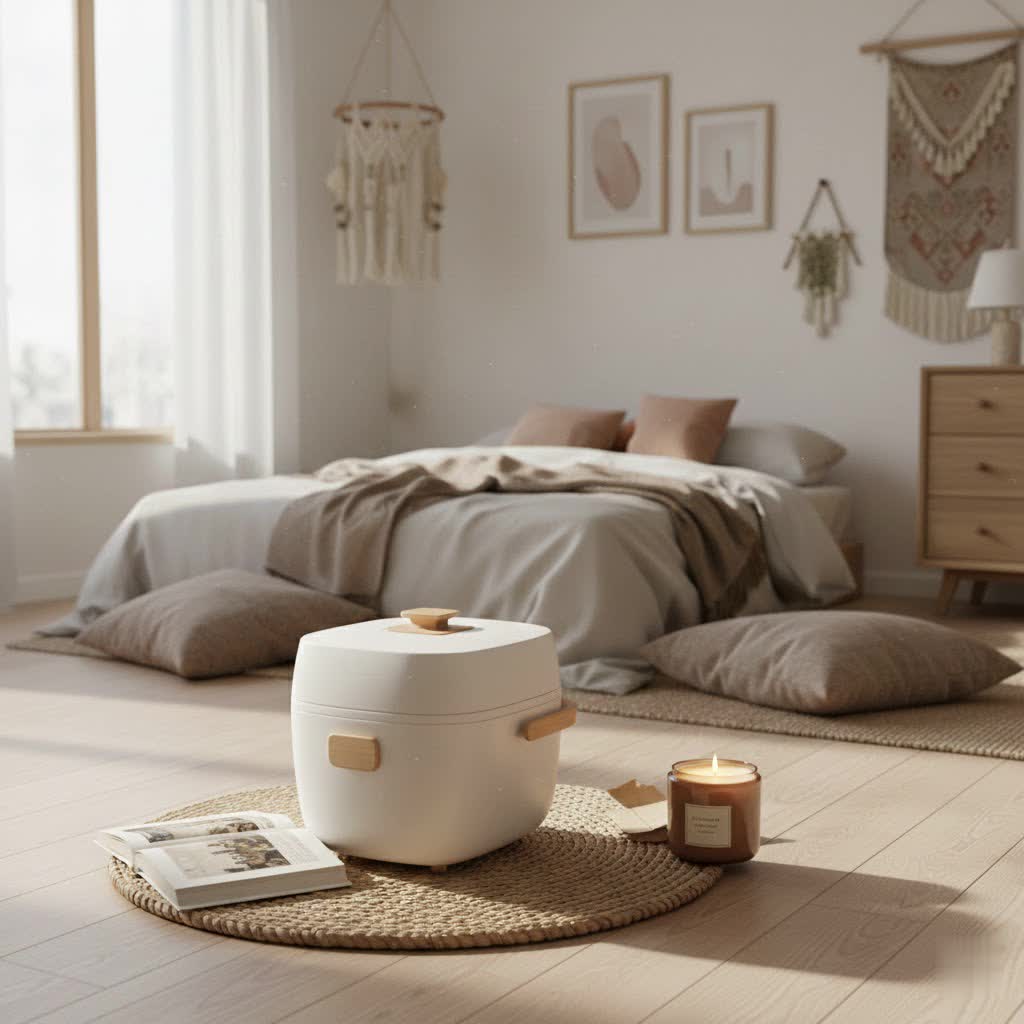
Why Korean Rice Cookers Are a Cut Above the Rest
In Korean cuisine, rice isn’t just a side dish; it’s the very soul of the meal. From the comforting warmth of a simple bowl to the vibrant medley of bibimbap, the quality of the rice is paramount. This deep cultural reverence for rice has driven Korean manufacturers to push the boundaries of appliance technology, resulting in rice cookers that are truly in a league of their own. They’re designed for precision, consistency, and versatility, far surpassing basic models you might be familiar with.
Unveiling the Technology: IH and Fuzzy Logic
|
Our Picks for the Best Rice Cooker in 2026
As an Amazon Associate I earn from qualifying purchases.
|
||
| Num | Product | Action |
|---|---|---|
| 1 | TOSHIBA Rice Cooker Small 3-Cup Uncooked– LCD Display with 8 Cooking Functions: Rice, Oatmeal, Mixed Grains and More, NonStick Inner Pot, Grey |

|
| 2 | AROMA® Rice Cooker, 3-Cup (Uncooked) / 6-Cup (Cooked), Small Rice Cooker, Oatmeal Cooker, Soup Maker, Auto Keep Warm, 1.5 Qt, White, ARC-363NG |
|
| 3 | Aroma Housewares 20 Cup Cooked (10 cup uncooked) Digital Rice Cooker, Slow Cooker, Food Steamer, SS Exterior (ARC-150SB),Black |
|
| 4 | AROMA Rice Cooker, 3-Cup (Uncooked) / 6-Cup (Cooked), Small Rice Cooker, Oatmeal Cooker, Soup Maker, Auto Keep Warm, 1.5 Qt, White, ARC-393NG |
|
| 5 | Zojirushi Micom 3-Cup Compact Size, Multiple Settings, Stainless Steel Made, Built-In Retractable Power Cord and Easy to Transport Rice Cooker and Warmer |
|
| 6 | COSORI Rice Cooker 10 Cup, 24h Keep Warm, Non-stick Ceramic Inner Pot, 18 Functions Fuzzy Logic Rice Maker with Stainless Steel Steamer Basket, Sauté, Slow Cooker, Black |
|
| 7 | Aroma Housewares 1.5Qt. Rice & Grain Cooker (ARC-363NGB),Black,6-Cup Cooked / 3-Cup Uncooked |
|
| 8 | Zojirushi NS-ZCC10 5-1/2-Cup Neuro Fuzzy Rice Cooker and Warmer, Premium White |
|
| 9 | AROMA Digital Rice Cooker, 4-Cup (Uncooked) / 8-Cup (Cooked), Steamer, Grain Cooker, Multicooker, 2 Qt, Stainless Steel Exterior, ARC-914SBD |
|
| 10 | Toshiba Mini Rice Cooker, 3 Cups Uncooked Small Rice Cooker, Steamer & Warmer, With Fuzzy Logic And One-Touch Cooking, 24 Hour Delay Timer And Auto Keep Warm Feature, White |
|
What truly sets a Korean rice cooker apart from its counterparts? It boils down to sophisticated technology that mimics the nuanced techniques of traditional rice cooking.
Induction Heating (IH): Precision and Uniformity
Many premium Korean rice cookers boast Induction Heating (IH) technology. Unlike conventional rice cookers that use a heating plate at the bottom, IH models employ electromagnetic coils to heat the entire inner pot directly and evenly. This comprehensive heating ensures every grain of rice cooks uniformly, preventing burnt bottoms or undercooked tops. The result? Rice with an incredibly consistent texture and enhanced flavor. It’s like having a master chef constantly monitoring and adjusting the heat for you.
Fuzzy Logic (Micom): Smart Cooking for Consistent Results
Another cornerstone of advanced Korean rice cookers is Fuzzy Logic, often referred to as Micom (microcomputer) technology. This intelligent system isn’t just about turning on a switch; it’s about dynamic, real-time adjustments. Fuzzy Logic sensors monitor the rice’s temperature, moisture content, and cooking progress, adapting the cooking time and temperature as needed. This means whether you’re cooking short-grain white rice, brown rice, or a mixed grain blend, the Korean rice cooker intelligently optimizes the process to deliver perfect results, even compensating for slight variations in rice or water measurements. It takes the guesswork completely out of cooking.
Exploring the Different Types of Korean Rice Cookers
Korean rice cookers come in various forms, each offering distinct advantages. Understanding these differences can help you choose the best Korean rice cooker for your lifestyle.
Basic Micom Rice Cookers
These are often the entry point into the world of advanced rice cooking. They use microcomputer (Micom) technology to manage cooking cycles, offering presets for different rice types and basic “keep warm” functions. They’re a significant upgrade from simple “on/off” rice cookers, providing greater consistency and ease of use.
Induction Heating (IH) Rice Cookers
As discussed, IH models utilize induction heating for superior temperature control and even cooking. They often feature more advanced programming and deliver exceptional rice texture. These are a fantastic choice for those who prioritize quality and are looking for a reliable Korean rice cooker.
Pressure Induction Heating (IH) Rice Cookers
For the ultimate rice cooking experience, Pressure IH models combine the benefits of induction heating with pressure cooking. By cooking under pressure, these rice cookers can significantly reduce cooking time while producing rice that is incredibly chewy, fluffy, and tender – a texture highly prized in Korean cuisine. They often come with robust internal mechanisms and are considered the crème de la crème of rice cookers. According to Min-jun Kim, Head Engineer at Golmz.com, “The pressure IH technology in modern Korean rice cookers isn’t just about faster cooking; it’s about unlocking a deeper flavor and a uniquely delightful texture that truly elevates the humble grain.”
Key Features to Look for in a Korean Rice Cooker
When investing in a Korean rice cooker, several features contribute to its outstanding performance and user experience.
Advanced Cooking Modes for Every Grain
A high-quality Korean rice cooker will offer a variety of pre-programmed settings for different types of rice, including white (glutinous), brown, GABA brown rice, mixed grain, and even sushi rice. Many models also include options for porridge, stews, steaming vegetables, and baby food, making them incredibly versatile kitchen companions.
Intelligent Keep Warm Functions
Korean rice cookers excel at keeping rice warm and fresh for extended periods without drying it out or altering its texture. Look for models with “keep warm” and “extended keep warm” functions, which are invaluable for busy households or those who enjoy multiple servings throughout the day.
User-Friendly Interfaces and Voice Guidance
Many modern Korean rice cookers feature intuitive digital displays, touch controls, and even voice navigation systems. These often come in multiple languages, including English, making them accessible to a global audience. This guidance simplifies operation and ensures you’re always aware of the cooking status.
Effortless Cleaning and Maintenance
Convenience extends beyond cooking. Look for features like removable stainless steel inner lids and steam cleaning functions. These make the Korean rice cooker easy to disassemble, clean thoroughly, and maintain hygiene, preventing odors and ensuring your appliance lasts for years. A non-stick inner pot is also a standard feature, making serving and cleaning a breeze.
Top Korean Rice Cooker Brands You Need to Know
When considering a Korean rice cooker, two brands consistently dominate the market, both in Korea and internationally, with a third Japanese brand often considered a strong alternative.
Cuckoo: The Market Leader
Cuckoo is undeniably the most recognized and best-selling Korean rice cooker brand. They are synonymous with innovation, quality, and a wide range of models catering to every need and budget. From Micom to advanced Pressure IH, Cuckoo offers robust, feature-rich appliances known for their durability and consistent results.
Cuchen: Innovation and Design
Cuchen is another prominent Korean brand renowned for its cutting-edge technology and sleek designs. Cuchen rice cookers often compete head-to-head with Cuckoo in terms of advanced features like IH and pressure cooking, offering consumers excellent alternatives with their own unique aesthetic and functionalities.
Other Notable Brands: Zojirushi (contextual mention), Kuhan Elvon
While primarily a Japanese brand, Zojirushi rice cookers are often cross-shopped with Korean models due to their similar emphasis on high-quality, perfectly cooked rice and advanced Fuzzy Logic technology. Kuhan Elvon is another Korean brand gaining traction for its innovative designs and features. It’s important to note that while Cuckoo is a Korean brand, some of its models might be manufactured in China; discerning buyers often check the country of origin if this is a priority.
Your Comprehensive Buying Guide: Choosing the Right Korean Rice Cooker
Selecting the perfect Korean rice cooker means balancing your needs with the available options. Here’s what to consider:
Capacity Considerations: Sizing Up Your Needs
Rice cookers are typically measured in “cups” of uncooked rice, which roughly doubles when cooked.
- 3-4 cup models: Ideal for singles or couples, yielding enough for a few meals.
- 5.5-6 cup models: Great for small families (3-4 people). This is a very popular size, offering a good balance of capacity and countertop footprint.
- 10+ cup models: Best for large families, entertaining, or meal prepping for the week.
Feature Set vs. Budget: Finding Your Sweet Spot
- Entry-level (Micom): Offers great value for consistent white and brown rice.
- Mid-range (IH): A step up in performance with more even cooking and usually more diverse settings.
- High-end (Pressure IH): The ultimate experience with faster cooking, superior texture, and the most advanced features, often including smart connectivity and voice guidance. Determine which features are essential for you and align them with your budget.
Where it’s Made Matters: Understanding Origin
While both Cuckoo and Cuchen are Korean brands, some models may be manufactured elsewhere. If “Made in Korea” is a significant factor for you, it’s always wise to verify the specific model’s origin, as this can sometimes impact quality perceptions for some consumers.
Mastering the Art of Korean Rice: Tips for Flawless Results
Even with the most advanced Korean rice cooker, a few simple techniques can ensure your rice is truly flawless.
The Essential Rinse: Clearing the Way for Flavor
Before cooking, always rinse your rice thoroughly. This removes excess starch, resulting in fluffier, less sticky rice and prevents potential gummy texture. Place your desired amount of short-grain white rice in the inner pot, fill it with water, gently swirl with your hand, and pour out the cloudy water. Repeat this process 3-5 times until the water runs mostly clear.
Perfecting the Water-to-Rice Ratio
While rice cookers often have markings inside the inner pot, a general rule for short-grain white rice in a Korean rice cooker is a 1:1 ratio (1 cup of water for every 1 cup of rinsed rice). For brown rice or other grains, you might need slightly more water. Your rice cooker’s manual will provide precise recommendations for different rice types.
The Secret to Texture: Soaking Your Rice
For an even fluffier and more tender texture, consider soaking your rinsed rice in the measured water for 10-30 minutes before starting the cooking cycle. This allows the grains to absorb water evenly, leading to a more consistent cook. Forgetting it for a bit longer, say an hour, won’t typically hurt, but much longer risks mushy results.
Post-Cook Care: Stirring for Optimal Fluffiness
Once your Korean rice cooker signals that the rice is done, resist the urge to immediately serve. Allow it to rest for 5-10 minutes in the “keep warm” mode. Then, using a plastic rice paddle (never metal, to protect the non-stick coating), gently fluff and stir the rice. This releases excess steam and ensures an even texture throughout, preventing clumping.
Beyond Plain Rice: Exploring Culinary Possibilities
A Korean rice cooker is far more than a one-trick pony. Its multi-cook functions open up a world of culinary possibilities.
Classic Korean Dishes with Your Rice Cooker
Your rice cooker can be a fantastic tool for preparing foundational elements of Korean cuisine. Besides perfectly cooked white rice for bap, consider preparing steamed mixed grains (japgokbap) or even a simplified version of bibimbap by adding pre-seasoned vegetables and meat directly to the pot with the rice.
Creative Recipes and Multi-Cooking
Many advanced Korean rice cookers include settings for making porridge (juk), steaming vegetables or dumplings in an included steamer basket, or even slow-cooking stews. Some models can even make cakes or breads. Experiment with these functions to maximize your appliance’s potential and expand your cooking repertoire.
Frequently Asked Questions About Korean Rice Cookers
How often should I clean my Korean rice cooker?
For optimal hygiene and performance, the inner pot should be cleaned after every use. The removable inner lid, condensation collector, and steam vent cap should be cleaned regularly, ideally every few uses or as needed, to prevent buildup and odors.
Can I cook different types of grains besides rice?
Absolutely! Most Korean rice cookers, especially Micom, IH, and Pressure IH models, come with specific settings for a variety of grains such as quinoa, barley, mixed grains, and often even steel-cut oats for breakfast. Always refer to your manual for recommended ratios and settings.
What is the ideal water ratio for brown rice?
Generally, brown rice requires more water than white rice. A common starting point is 1.5 to 2 cups of water for every 1 cup of brown rice. Soaking brown rice for 30 minutes to an hour before cooking can also improve its texture. Your specific Korean rice cooker’s manual will provide precise guidelines.
Are Korean rice cookers energy efficient?
Modern Korean rice cookers, especially those with IH technology, are designed with energy efficiency in mind. Their precise heating and insulation minimize energy waste. The “keep warm” functions are also typically low-power, maintaining temperature without excessive energy consumption.
What’s the difference between a Korean and a Japanese rice cooker?
Both Korean and Japanese rice cookers are renowned for their advanced technology (like Fuzzy Logic and IH) and ability to produce excellent rice. Historically, Korean rice cookers have often emphasized higher pressure cooking for a chewier rice texture, while Japanese models might focus on a slightly softer, stickier result. However, many modern models from both countries now offer versatile settings that can achieve a wide range of textures.
Conclusion: Elevate Your Home Cooking with a Korean Rice Cooker
A Korean rice cooker is more than just an appliance; it’s an investment in consistently delicious meals and a testament to culinary precision. With its advanced IH technology, intelligent Fuzzy Logic, and versatile cooking modes, it takes the guesswork out of preparing perfect rice and opens up a world of culinary exploration. Whether you’re a busy professional, a passionate home cook, or simply someone who appreciates perfectly cooked rice, bringing a Korean rice cooker into your kitchen from brands like Cuckoo or Cuchen will undoubtedly elevate your everyday cooking experience. Get ready to enjoy perfectly fluffy, flavorful rice with ease, transforming your meals and cementing your home as a haven for exceptional cuisine.
