Ah, sushi! That delicate balance of fresh fish, vibrant vegetables, and, most importantly, perfectly seasoned rice. While many dream of mastering the art of sushi at home, the journey often begins and ends with the rice. You see, the heart of any great sushi roll isn’t just the pristine ingredients; it’s the sticky, slightly sweet, and utterly sublime grains that hold everything together. And getting that ideal texture consistently? That’s where a dedicated Rice Cooker For Sushi becomes your culinary superpower.
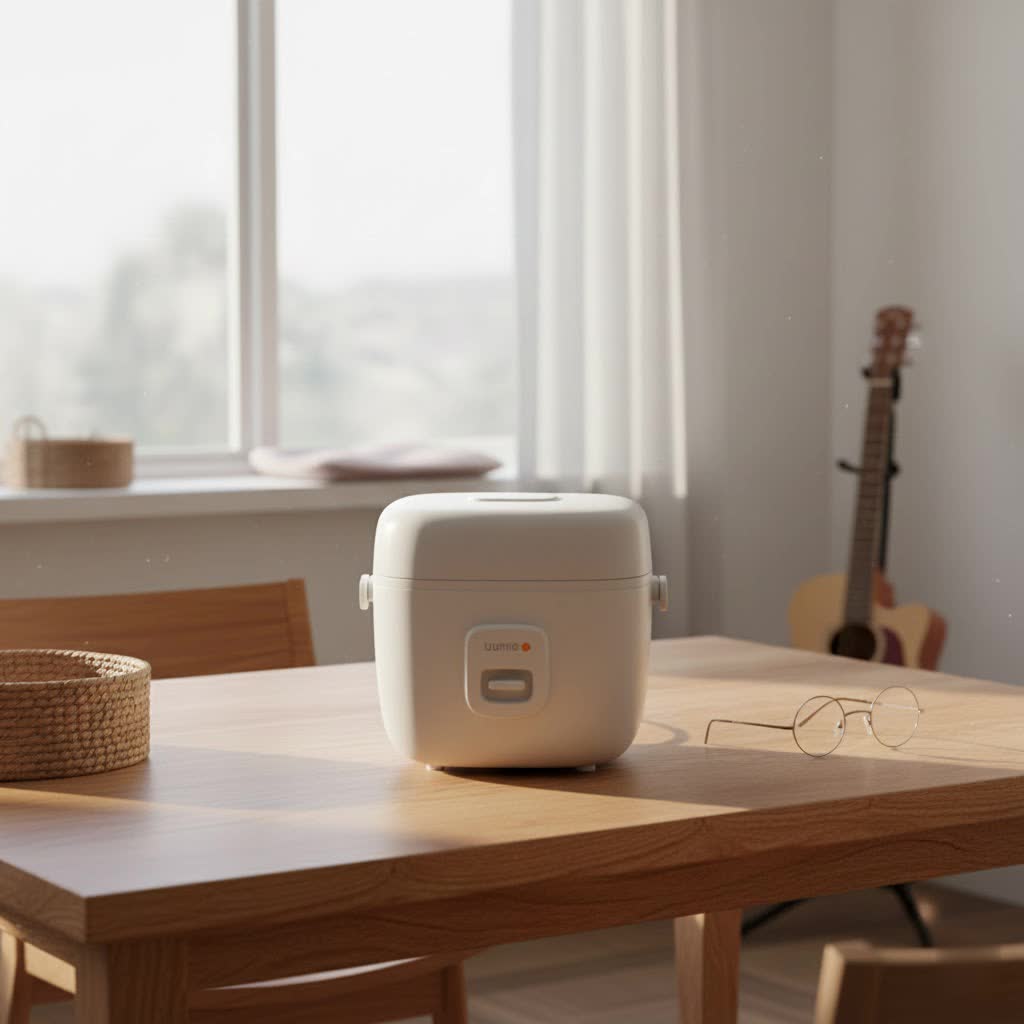
As a home appliance engineer with over a decade of experience, particularly in the realm of rice cookers, I’ve seen countless kitchens transformed by the right equipment. Forget the guesswork and frustration of stovetop cooking; a specialized rice cooker is engineered to deliver flawless sushi rice every single time. It’s the difference between merely acceptable rice and rice that truly sings, elevating your homemade sushi from good to absolutely extraordinary.
Why a Rice Cooker is Essential for Authentic Sushi Rice
Making sushi rice is precision work. Unlike simply cooking regular rice, sushi rice demands a specific texture – individual grains that are tender, yet firm, with just the right amount of stickiness to form perfect rolls without turning mushy. This delicate balance requires consistent moisture, stable temperature, and even cooking from start to finish. A standard pot on a stovetop, with its fluctuating temperatures and uneven heat distribution, often falls short, leading to inconsistent results that can ruin your sushi experience.
“The consistency a quality rice cooker provides is non-negotiable for sushi,” explains Kenji Tanaka, a renowned sushi chef and longtime collaborator with Golmz.com. “It ensures the rice is cooked perfectly, allowing the subtle flavors of the vinegar seasoning and the fresh ingredients to shine through.”
The Science of Sticky, Fluffy Grains
|
Our Picks for the Best Rice Cooker in 2026
As an Amazon Associate I earn from qualifying purchases.
|
||
| Num | Product | Action |
|---|---|---|
| 1 | AROMA® Rice Cooker, 3-Cup (Uncooked) / 6-Cup (Cooked), Small Rice Cooker, Oatmeal Cooker, Soup Maker, Auto Keep Warm, 1.5 Qt, White, ARC-363NG |

|
| 2 | AROMA Rice Cooker, 3-Cup (Uncooked) / 6-Cup (Cooked), Small Rice Cooker, Oatmeal Cooker, Soup Maker, Auto Keep Warm, 1.5 Qt, White, ARC-393NG |
|
| 3 | AROMA Digital Rice Cooker, 4-Cup (Uncooked) / 8-Cup (Cooked), Steamer, Grain Cooker, Multicooker, 2 Qt, Stainless Steel Exterior, ARC-914SBD |
|
| 4 | Aroma Housewares 20 Cup Cooked (10 cup uncooked) Digital Rice Cooker, Slow Cooker, Food Steamer, SS Exterior (ARC-150SB),Black |
|
| 5 | TOSHIBA Rice Cooker Small 3-Cup Uncooked– LCD Display with 8 Cooking Functions: Rice, Oatmeal, Mixed Grains and More, NonStick Inner Pot, Grey |
|
| 6 | Toshiba Mini Rice Cooker, 3 Cups Uncooked Small Rice Cooker, Steamer & Warmer, With Fuzzy Logic And One-Touch Cooking, 24 Hour Delay Timer And Auto Keep Warm Feature, White |
|
| 7 | Zojirushi NS-ZCC10 5-1/2-Cup Neuro Fuzzy Rice Cooker and Warmer, Premium White |
|
| 8 | COSORI Rice Cooker 10 Cup, 24h Keep Warm, Non-stick Ceramic Inner Pot, 18 Functions Fuzzy Logic Rice Maker with Stainless Steel Steamer Basket, Sauté, Slow Cooker, Black |
|
| 9 | Zojirushi Micom 3-Cup Compact Size, Multiple Settings, Stainless Steel Made, Built-In Retractable Power Cord and Easy to Transport Rice Cooker and Warmer |
|
| 10 | Aroma Housewares 1.5Qt. Rice & Grain Cooker (ARC-363NGB),Black,6-Cup Cooked / 3-Cup Uncooked |
|
Modern rice cookers, especially those designed with Japanese culinary traditions in mind, leverage advanced technology to achieve this perfect texture. They maintain a constant, optimal temperature throughout the cooking cycle, allowing the rice grains to absorb water evenly and gelatinize properly. This controlled environment prevents common pitfalls like scorched bottoms, mushy tops, or unevenly cooked kernels, which are often a result of less precise cooking methods. The result is consistently plump, chewy, and shiny grains that are the hallmark of authentic sushi.
Key Features to Look For in a Sushi Rice Cooker
When choosing a rice cooker for sushi, not all models are created equal. Here’s what you should prioritize to ensure your rice is always sushi-ready:
Precision Cooking with Fuzzy Logic and AI
Many top-tier rice cookers, especially those from Japanese brands, incorporate “Fuzzy Logic” or AI microprocessors. This isn’t just fancy marketing; it’s smart technology that acts like a tiny chef inside your appliance. These systems automatically detect the amount of rice and water, adjust cooking times and temperatures, and even account for ambient conditions. This intelligent control ensures that your sushi rice cooks perfectly, even if your measurements are slightly off, making for foolproof results every single time.
The Power of Induction Heating
Induction Heating (IH) rice cookers are another game-changer. Instead of just heating from the bottom, IH technology generates heat throughout the entire inner pot. This 360-degree heating ensures an incredibly even temperature distribution, leading to more consistent cooking, better moisture retention, and ultimately, superior rice texture. For sushi, where every grain matters, IH technology provides the uniform cooking essential for that signature cling without being overly sticky.
Dedicated Sushi Rice Settings
Many high-quality rice cookers now come with specialized “sushi rice” or “short-grain rice” settings. These pre-programmed modes are calibrated to cook sushi rice at the precise temperature and duration required for its unique characteristics. Using these dedicated settings takes the guesswork out of the process, ensuring the rice is soft, sticky, and ready for seasoning. If a model offers this feature, it’s a strong indicator of its suitability as a rice cooker for sushi.
Non-Stick Inner Pots: A Must-Have
A high-quality non-stick inner pot is indispensable. It prevents rice from sticking and burning, which is crucial for maintaining the integrity of each grain and making clean-up a breeze. Many premium models feature ceramic-coated inner pots, which are durable and contribute to even heat distribution, further enhancing the rice’s texture and flavor.
Keep Warm Functionality
After your sushi rice is perfectly cooked, it needs to be kept at an optimal temperature without drying out. A reliable “keep warm” function is vital for this. Top rice cookers maintain the ideal warmth for several hours, ensuring your rice remains fresh, pliable, and ready to use whenever you are preparing your sushi. This feature allows you to focus on slicing your fish and prepping other ingredients without rushing.
Sizing Up Your Needs: Capacity Matters
Rice cooker for sushi models come in various capacities, typically measured in cups of uncooked rice.
- 3-cup models are perfect for singles or couples, or if you only make sushi occasionally.
- 5.5-cup models are ideal for most families (2-6 people) and offer versatility for everyday meals.
- 8-10 cup models are best suited for larger families, entertaining, or if you frequently host sushi parties.
Choose a size that matches your typical cooking volume to avoid waste and ensure efficient operation.
Top Rice Cooker Brands Trusted by Sushi Enthusiasts
Certain brands have consistently earned the trust of sushi aficionados and culinary experts alike for their superior rice cooker for sushi offerings.
Zojirushi: The Rolls-Royce of Rice Cookers
When it comes to Japanese rice cookers, Zojirushi is often considered the gold standard. Their Neuro Fuzzy models, like the NS-ZCC10, utilize fuzzy logic to perfection, producing shiny, firm grains that are beloved by home cooks and professionals. Their Induction Heating (IH) models, such as the NP-HCC10, take precision a step further with laser-accurate temperature control, delivering sushi rice that could come straight from a Tokyo sushi bar. Zojirushi’s reputation for consistency, durability, and a dedicated sushi rice setting makes them a top choice.
Cuckoo & Tiger: Reliable Performance
Korean brand Cuckoo is another powerhouse, known for its innovative technology, often incorporating pressure cooking alongside fuzzy logic. Models like the Cuckoo CRP-P1009SW are praised for their speed and ability to produce restaurant-quality sushi rice. Tiger, a Japanese brand, offers durable rice cookers like the JKT-D10U, which features induction heating and a specific sushi rice setting, yielding plump, chewy grains that are perfect for any roll. Both brands are a testament to quality when searching for a dependable rice cooker for sushi.
Yum Asia: Blending Tradition with Technology
Yum Asia offers a range of rice cookers that combine traditional aesthetics with modern technology. Their Bamboo model, for example, boasts 3D induction heating and an AI microprocessor within a ceramic-coated inner pan, ensuring pure sushi rice perfection. It’s a favorite for those who appreciate a blend of style and advanced functionality, producing excellent results every time.
Budget-Friendly Gems for Beginners
While high-end models offer advanced features, you don’t always need to break the bank to get good sushi rice. Brands like Aroma Housewares (e.g., ARC-914SBD) provide excellent budget-friendly options. These simpler models often feature one-touch controls, a non-stick pot, and reliable performance that can still produce great sushi rice, making them a fantastic starting point for beginners or students embarking on their sushi-making journey.
Beyond the Button: Preparing Your Sushi Rice Like a Pro
Even the best rice cooker for sushi needs a little help from your side to truly shine. The preparation of the rice before cooking is just as crucial as the cooker itself.
Starting with the Right Grain
Always opt for short-grain Japanese rice varieties, such as Koshihikari, Nishiki, or Tamaki Gold. These varieties have the ideal starch content and grain structure to achieve the desired sticky, yet separate, texture required for sushi. Using long-grain rice will result in a completely different texture unsuitable for sushi.
The Art of Rinsing
Rinsing your rice thoroughly is an often-overlooked but vital step. Wash the rice 4-8 times in cold water, gently swirling the grains with your fingers, until the water runs clear. This process removes excess starch from the exterior of the grains, preventing them from becoming overly gummy and ensuring that signature polished look and texture.
Perfect Water Ratio: A Golden Rule
While your rice cooker for sushi will have internal water line indicators, a general rule of thumb for sushi rice is a 1:1.1 rice-to-water ratio. Always use the measuring cup provided with your rice cooker, as these are often slightly smaller than standard US cups and calibrated for optimal results with the appliance.
The Crucial Resting and Seasoning Steps
Once the rice cooker signals that the rice is cooked, resist the urge to open the lid immediately. Let the rice stand for 10-15 minutes on the “keep warm” setting (if available, otherwise simply let it rest with the lid on) to allow it to steam and further absorb moisture.
After resting, transfer the hot rice to a wide, shallow bowl, preferably a wooden hangiri, which helps absorb excess moisture. Then, gently fold in your sushi vinegar mixture (typically rice vinegar, sugar, and salt). Use a cutting motion with a rice paddle to avoid mashing the grains. While mixing, fan the rice to cool it down quickly and give it a beautiful glossy finish. The rice should cool to room temperature before shaping into sushi rolls; hot rice can lead to mushy results. If you’re not using it immediately, cover the rice with a damp cloth to keep it moist for a few hours.
Maintaining Your Sushi Rice Cooker for Years of Perfect Rolls
To ensure your rice cooker for sushi continues to deliver flawless results, proper maintenance is key.
Simple Cleaning Practices
After each use, remove the inner pot and wash it with warm water and a soft sponge. Avoid abrasive scrubbers or harsh detergents that can damage the non-stick coating. Ensure it’s completely dry before returning it to the cooker.
Caring for Seals and Exterior
Wipe down the exterior of your rice cooker with a damp cloth, paying attention to the lid and steam vent. Regularly inspect the lid and seals for any food residue and clean them gently. Replacing worn-out seals is important to maintain optimal pressure and cooking efficiency.
Proper Storage for Longevity
Store your rice cooker in a dry place. It’s often beneficial to leave the lid slightly ajar when not in use to prevent moisture buildup and odors. Neatly coil the power cord to prevent tangles or damage. Regular checks for any signs of wear or damage will help you address minor issues before they become larger problems.
Frequently Asked Questions About Sushi Rice Cookers
What makes a rice cooker best for sushi rice?
The best rice cooker for sushi excels at precise temperature control, even heat distribution (often via induction heating), and may include specific “sushi rice” settings to achieve the ideal sticky, yet distinct, texture. Fuzzy Logic or AI microprocessors are also key for consistent results.
Can I cook other rice types in a sushi rice cooker?
Absolutely! Most high-quality sushi rice cookers are versatile and include settings for various rice types, such as white, brown, jasmine, and even porridge or steel-cut oats, making them a true kitchen workhorse.
How do sushi rice cookers improve rice flavor?
By ensuring consistent and optimal cooking conditions, these rice cookers allow the natural flavors of the rice to fully develop. They also prevent burning or drying out, which can negatively impact taste, resulting in fresher-ttasting and well-cooked grains.
Is a sushi rice cooker easy to clean?
Many rice cooker for sushi models feature non-stick or ceramic-coated inner pots that are very easy to clean with warm water and a soft sponge. Removable inner lids and steam vents also simplify maintenance, making the process stress-free.
What is fuzzy logic, and why is it good for sushi rice?
Fuzzy logic is an advanced microcomputer technology within the rice cooker that makes intelligent adjustments to cooking time and temperature based on the type of rice and water added. For sushi rice, this means the cooker can fine-tune the cooking process for perfect texture and consistency every time, minimizing human error.
Unlock the Art of Sushi with the Perfect Rice Cooker
Making sushi at home is a rewarding culinary adventure, and with the right rice cooker for sushi, you’ll conquer the most critical component: the rice. Investing in a quality appliance that understands the nuances of short-grain Japanese rice will not only simplify your cooking process but also elevate your sushi to restaurant-worthy status. Say goodbye to guesswork and hello to consistently perfect, fluffy, and perfectly sticky rice. Choose wisely, prepare your grains with care, and get ready to roll out some truly delicious sushi that will impress everyone at your table. Happy cooking!
