As an appliance engineer with over a decade immersed in the world of rice cookers, I’ve seen countless innovations designed to perfect our daily meals. But when it comes to crafting truly exceptional sushi, the humble rice cooker becomes an indispensable tool. Here at Golmz.com, we believe that the foundation of any great sushi roll or nigiri lies in flawlessly cooked rice. It’s not just about cooking rice; it’s about achieving that specific balance of tenderness, stickiness, and individual grain integrity that defines authentic sushi.
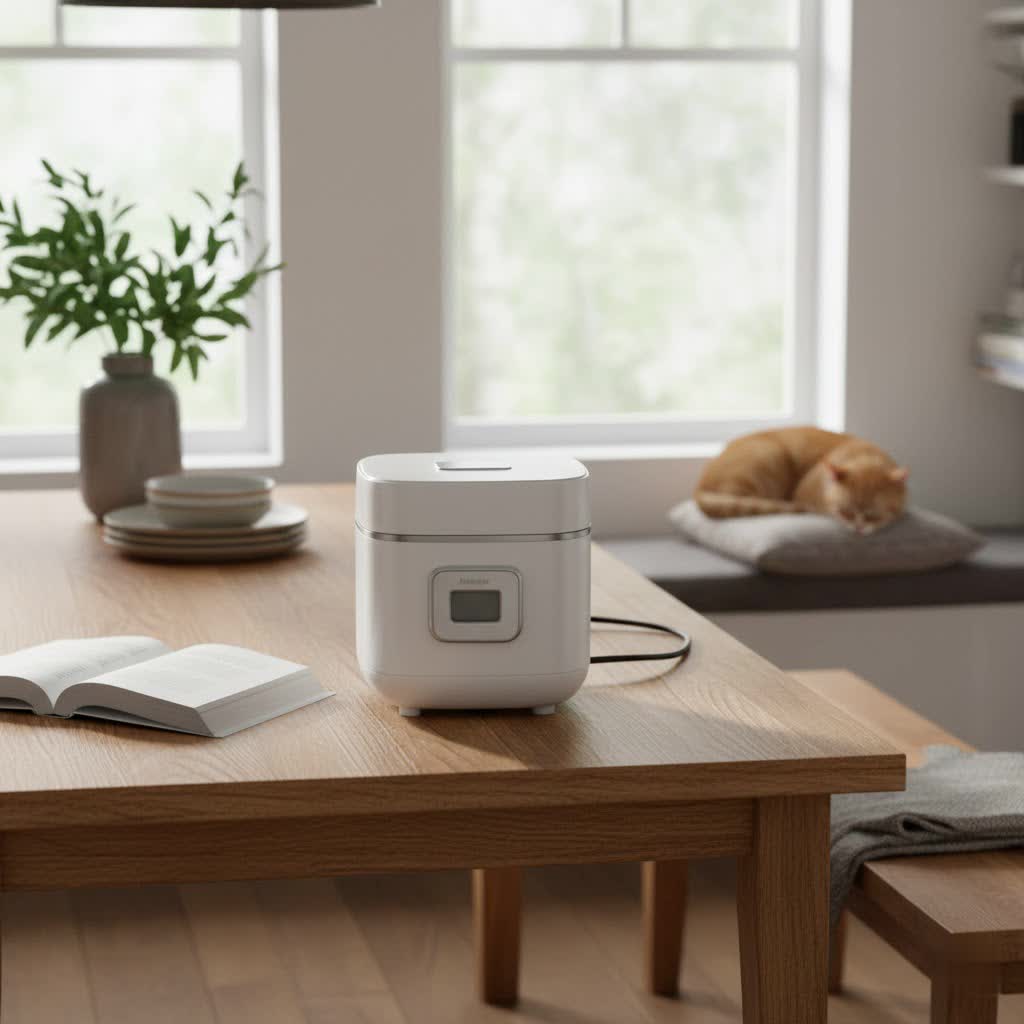
Many home cooks wonder if their standard rice cooker is up to the task, or if a specialized “Sushi Rice Cooker” is truly necessary. While a basic model can certainly cook rice, achieving the nuanced texture required for sushi—grains that hold together perfectly yet melt in your mouth—often demands a bit more precision. This is where advanced rice cooker technologies shine, transforming an everyday appliance into a sushi chef’s secret weapon.
Why a “Sushi Rice Cooker” Isn’t Just Any Rice Cooker
The art of sushi lies in its simplicity and the quality of its components. The rice, or shari, is arguably the most crucial. It needs to be sticky enough to form rolls and nigiri without falling apart, yet each grain should retain its distinct shape and a slightly firm bite. Achieving this specific consistency consistently with a basic on/off rice cooker can be a challenge. These simpler models often lack the precise temperature control and adaptive cooking cycles needed to handle the delicate short-grain Japanese rice favored for sushi.
With a basic cooker, you might end up with rice that’s too mushy, too dry, or unevenly cooked, leading to a frustrating sushi-making experience. A dedicated or high-quality rice cooker, however, removes this guesswork. It manages moisture levels and heat distribution with remarkable accuracy, ensuring your sushi rice is always perfectly textured.
Key Technologies That Elevate Your Sushi Rice
The world of rice cookers has evolved significantly, incorporating smart technologies that dramatically improve cooking results. For sushi rice, two technologies stand out: Fuzzy Logic and Induction Heating.
What Exactly is Fuzzy Logic in a Rice Cooker, and How Does It Help with Sushi Rice?
|
Our Picks for the Best Rice Cooker in 2026
As an Amazon Associate I earn from qualifying purchases.
|
||
| Num | Product | Action |
|---|---|---|
| 1 | Zojirushi Micom 3-Cup Compact Size, Multiple Settings, Stainless Steel Made, Built-In Retractable Power Cord and Easy to Transport Rice Cooker and Warmer |

|
| 2 | Zojirushi NS-ZCC10 5-1/2-Cup Neuro Fuzzy Rice Cooker and Warmer, Premium White |
|
| 3 | Aroma Housewares 1.5Qt. Rice & Grain Cooker (ARC-363NGB),Black,6-Cup Cooked / 3-Cup Uncooked |
|
| 4 | Aroma Housewares 20 Cup Cooked (10 cup uncooked) Digital Rice Cooker, Slow Cooker, Food Steamer, SS Exterior (ARC-150SB),Black |
|
| 5 | AROMA® Rice Cooker, 3-Cup (Uncooked) / 6-Cup (Cooked), Small Rice Cooker, Oatmeal Cooker, Soup Maker, Auto Keep Warm, 1.5 Qt, White, ARC-363NG |
|
| 6 | COSORI Rice Cooker 10 Cup, 24h Keep Warm, Non-stick Ceramic Inner Pot, 18 Functions Fuzzy Logic Rice Maker with Stainless Steel Steamer Basket, Sauté, Slow Cooker, Black |
|
| 7 | AROMA Rice Cooker, 3-Cup (Uncooked) / 6-Cup (Cooked), Small Rice Cooker, Oatmeal Cooker, Soup Maker, Auto Keep Warm, 1.5 Qt, White, ARC-393NG |
|
| 8 | TOSHIBA Rice Cooker Small 3-Cup Uncooked– LCD Display with 8 Cooking Functions: Rice, Oatmeal, Mixed Grains and More, NonStick Inner Pot, Grey |
|
| 9 | AROMA Digital Rice Cooker, 4-Cup (Uncooked) / 8-Cup (Cooked), Steamer, Grain Cooker, Multicooker, 2 Qt, Stainless Steel Exterior, ARC-914SBD |
|
| 10 | Toshiba Mini Rice Cooker, 3 Cups Uncooked Small Rice Cooker, Steamer & Warmer, With Fuzzy Logic And One-Touch Cooking, 24 Hour Delay Timer And Auto Keep Warm Feature, White |
|
Fuzzy Logic, often referred to as Micom (microcomputer) technology, is like having a mini chef inside your rice cooker. Instead of a simple “on/off” switch, a Fuzzy Logic rice cooker uses a microcomputer chip to monitor the rice’s temperature and moisture levels throughout the cooking cycle. It then makes subtle, continuous adjustments to the cooking time and temperature.
For sushi rice, this is a game-changer. Sushi rice needs precise conditions—not too hot, not too cold, just the right amount of moisture absorption. Fuzzy Logic can detect variations in rice type, water quantity, and even ambient temperature, adapting its cooking program to ensure that each batch of short-grain rice achieves the ideal sticky yet fluffy texture essential for sushi. This results in consistent perfection every time, taking the guesswork out of what can otherwise be a finicky process.
How Does Induction Heating Improve Sushi Rice Quality?
Induction Heating (IH) technology takes rice cooking to another level of precision. Unlike conventional rice cookers that use a heating element at the bottom, IH models use magnetic coils to heat the entire inner pot directly and evenly. This comprehensive heating ensures that every grain of rice cooks uniformly, from the center to the edges of the pot.
For sushi rice, the even and precise temperature control offered by IH is invaluable. It prevents hot spots and undercooked sections, leading to rice that is consistently plump, chewy, and perfectly cooked through. The rapid and responsive temperature adjustments also contribute to fluffier grains with optimal moisture content, which is crucial for rice that will be seasoned and shaped into sushi. An IH rice cooker provides the kind of uniform heat distribution that truly professional sushi chefs demand, ensuring resilience and shine in every grain.
Pressure Cooking: A Double-Edged Sword for Sushi Rice
Some top-tier rice cookers incorporate pressure cooking alongside induction heating. While pressure cooking can significantly reduce cooking times and create incredibly soft, tender rice, it’s often a feature that doesn’t fully engage or is even bypassed when making sushi rice. Traditional sushi rice benefits from precise, gentle cooking rather than the intense pressure that might make it too soft or mushy for shaping. Many high-end models with pressure functions will either offer a dedicated “sushi” setting that doesn’t utilize pressure or simply won’t engage the pressure element for short-grain white rice settings. It’s fantastic for brown rice or other grains, but for sushi rice, the focus remains on consistent temperature and even moisture absorption.
Understanding the “Sushi Rice Setting”: Do You Really Need It?
Many advanced rice cookers come with a dedicated “sushi rice” setting. This pre-programmed cycle is specifically calibrated to cook short-grain Japanese rice to the ideal texture for sushi, often using slightly less water and a specific cooking curve to ensure the grains are firm yet tender, and perfectly sticky.
Having a “sushi rice” setting is undoubtedly convenient and offers peace of mind, especially for beginners. It takes the guesswork out of water ratios and cooking times. However, if your rice cooker doesn’t have this specific setting, don’t despair! Many Fuzzy Logic or IH rice cookers can still produce excellent sushi rice using their standard “white rice” or “short-grain” settings. The key is to carefully measure your rice and water, and sometimes slightly reduce the water amount compared to plain white rice to account for the vinegar seasoning added later. With a good quality rice cooker, the “white rice” setting, combined with proper rice preparation, will get you very close to perfection.
What to Look for in a Sushi Rice Cooker: Your Buying Guide
Choosing the right sushi rice cooker involves more than just picking the first shiny model you see. As a seasoned expert at Golmz, I guide you through the essential features to consider:
- Capacity: How much rice do you usually cook? Rice cooker capacities are typically listed in uncooked cups. A 3-cup model is perfect for singles or couples, a 5.5-cup for small families or frequent entertainers, and a 10-cup for larger gatherings. Remember, sushi rice expands!
- Inner Pot Material: Look for high-quality non-stick coatings, often ceramic or a durable non-stick alloy. These prevent rice from sticking and make cleaning a breeze. Some premium models feature platinum-infused pots, which are claimed to make rice sweeter by purifying the water.
- Fuzzy Logic or Induction Heating (IH): These technologies are the hallmarks of superior rice cooking. They ensure precise temperature control and even cooking, which is paramount for sushi rice.
- Dedicated “Sushi Rice” Setting: While not strictly necessary, it’s a fantastic bonus that optimizes the cooking cycle specifically for the unique demands of sushi rice.
- Keep Warm Function: A good keep-warm function is vital for sushi rice, as it prevents the rice from drying out or becoming too cold before you’re ready to season and shape it. Look for models that can maintain an optimal temperature for several hours without overcooking.
- Ease of Use: Intuitive controls, a clear digital display, and simple one-touch operation make for a more enjoyable cooking experience.
- Durability and Brand Reputation: Investing in a reputable brand often means a more durable appliance and better customer support. Brands like Zojirushi, Cuckoo, Tiger, and Yum Asia are consistently praised for their quality and performance in the realm of Japanese rice cookers.
My Top Picks: Rice Cookers for Perfect Sushi Rice
While Golmz.com offers detailed reviews on specific models, I can provide a general overview of what to look for at different investment levels.
The Entry-Level Performer
For those just starting their sushi-making journey or with a tighter budget, a basic digital rice cooker with a “white rice” setting can still deliver good results if you pay attention to the rice and water ratio. These models are straightforward, often featuring just “cook” and “keep warm” functions. They’re excellent for occasional use and proving that you don’t need to break the bank to start making sushi at home.
The Mid-Range Master
Stepping up, a Fuzzy Logic (Micom) rice cooker is where consistency truly begins. These models offer a significant leap in performance over basic cookers, adapting to various conditions to cook short-grain rice reliably well. They often come with multiple settings, including a dedicated “sushi” or “short-grain” option, making your life much easier. Many Zojirushi and Cuckoo models fall into this category, offering excellent value and dependable results for daily use.
The Premium Powerhouse
For the ultimate sushi rice experience, an Induction Heating (IH) rice cooker with Fuzzy Logic is the gold standard. These machines offer unparalleled precision and even heating, yielding rice with a truly restaurant-quality texture and sheen. Brands like Zojirushi and Tiger are renowned for their IH models, which often include a suite of specialized settings and features like extended keep-warm functions and beautiful designs. If you’re serious about your sushi and cook rice frequently, this is a worthwhile investment that will transform your kitchen.
How to Cook Perfect Sushi Rice in Your Rice Cooker: A Step-by-Step Guide
Even with the best sushi rice cooker, success hinges on proper technique. Here’s my expert guide to making perfect sushi rice every time:
1. Choosing the Right Rice
Always opt for short-grain Japanese rice, sometimes labeled “sushi rice.” Varieties like Koshihikari, Nishiki, or Tamaki Gold are ideal due to their high starch content, which provides the desired stickiness without becoming mushy. Avoid long-grain or medium-grain rice; their texture is simply not suitable for sushi.
2. Rinsing the Rice
This step is crucial and often overlooked. Measure your desired amount of rice and place it in a fine-mesh strainer or a bowl. Rinse the rice under cold running water, gently swirling the grains with your fingertips, until the water runs mostly clear. This usually takes 4-6 rinses. Rinsing removes excess surface starch, preventing the rice from becoming overly sticky or gluey. However, don’t over-rinse to the point where all stickiness is gone – a slight cling is desired.
3. Water Ratio
For sushi rice in a rice cooker, a 1:1 rice-to-water ratio (by volume) is a widely accepted starting point. For example, if you use 2 cups of dry rice, add 2 cups of filtered water. Using filtered water can subtly enhance the flavor of your rice, especially if your tap water has a strong taste. Some cookers might have specific markings for sushi rice, which you can follow if available. Avoid pre-soaking the rice, as this can lead to a softer texture that might not hold up as well after seasoning.
4. Cooking Cycle
Add the rinsed and drained rice and the measured water to your rice cooker. If your cooker has a dedicated “sushi rice” setting, select it. Otherwise, use the “white rice” or “short-grain white rice” setting. Press start and let your rice cooker work its magic. Resist the urge to open the lid during cooking, as this releases steam and affects the internal temperature, potentially leading to unevenly cooked rice.
5. The Art of Seasoning
While the rice is cooking, prepare your sushi vinegar mixture. A common ratio is 2 tablespoons of rice vinegar, 1 tablespoon of sugar, and ½ teaspoon of salt per 1 cup of uncooked rice. Gently heat this mixture until the sugar and salt dissolve. Once the rice cooker finishes its cycle, let the rice rest in the cooker with the lid closed for about 5-10 minutes. This allows the remaining steam to be absorbed, resulting in fluffier rice.
Transfer the hot rice to a large, shallow bowl (a traditional hangiri or a wide non-metallic bowl is best). Drizzle the prepared sushi vinegar mixture evenly over the hot rice. Using a rice paddle, gently fold the seasoning into the rice with a cutting and lifting motion. The goal is to distribute the seasoning without mashing the grains. Seasoning while the rice is hot allows the grains to absorb the flavor better.
6. Cooling and Resting
After seasoning, cover the rice with a damp cloth or plastic wrap to prevent it from drying out. Let it cool to lukewarm (slightly warmer than room temperature). This is the ideal temperature for shaping sushi. Rice that’s too hot will be difficult to handle and can fall apart, while cold rice will harden and lose its pliable texture.
Tips from a Pro
As an engineer who appreciates precision, I always emphasize these points:
- Don’t Overmix: When seasoning, gentle “slicing” and “folding” motions are key. Overmixing will mash the rice, turning it gluey.
- Use the Right Tools: A plastic or wooden rice paddle (shamoji) is best for handling sushi rice as it prevents sticking and damage to the grains.
- Trust Your Cooker: Once you’ve set it, let the rice cooker do its job. Patience is a virtue in rice cooking.
- Quality Ingredients: Starting with good quality short-grain sushi rice and seasoned rice vinegar makes a noticeable difference in the final product.
Frequently Asked Questions (FAQ)
Can I make sushi rice in a regular rice cooker?
Yes, you can make sushi rice in a regular rice cooker. While a dedicated “sushi rice” setting or advanced features like Fuzzy Logic and Induction Heating offer superior consistency, a basic rice cooker can still yield good results. Focus on proper rice rinsing, using a 1:1 rice-to-water ratio, and applying the seasoned vinegar correctly after cooking.
What’s the best water-to-rice ratio for sushi rice?
For most sushi rice preparations in a rice cooker, a 1:1 rice-to-water ratio by volume is recommended. For example, use 1 cup of water for every 1 cup of dry sushi rice. Some recipes might suggest a slight variation, so always check your rice cooker’s manual or the specific rice package instructions as a starting point.
Do I need to rinse sushi rice?
Yes, rinsing sushi rice is an essential step. It removes excess surface starch, which prevents the rice from becoming overly sticky or mushy during cooking. Rinse the rice under cold running water, gently swirling it, until the water runs mostly clear. This typically takes 4-6 rinses.
How do I properly season sushi rice?
After cooking, transfer the hot rice to a wide, shallow bowl. Drizzle a mixture of rice vinegar, sugar, and salt evenly over the rice. Use a rice paddle to gently fold the seasoning into the grains with a cutting and lifting motion, avoiding mashing. Seasoning the rice while it’s still hot allows it to absorb the flavors best.
What kind of rice is best for sushi?
Short-grain Japanese rice is the best choice for sushi. Varieties like Koshihikari, Nishiki, or Tamanishiki are highly recommended. These types of rice have the ideal starch content and texture—sticky enough to hold together but with individual grains—that is essential for authentic sushi.
Conclusion
The journey to perfect sushi rice begins with understanding your tools. Whether you’re eyeing a cutting-edge Induction Heating model or looking to maximize the potential of your current Fuzzy Logic rice cooker, the key is knowing how these devices contribute to that ideal texture. At Golmz.com, we’re passionate about empowering home cooks to create restaurant-quality meals, and mastering your sushi rice cooker is a significant step in that direction. Don’t let the intricacies of sushi intimidate you; with the right “sushi rice cooker” and a few expert tips, you’re well on your way to crafting delicious, authentic sushi at home. So, gather your ingredients, trust your appliance, and get ready to roll!
