Hello, fellow food enthusiasts and home cooks! As an appliance engineer with over a decade dedicated to the world of rice cookers and a content writer for Golmz.com, I’ve seen these humble machines evolve from simple steamers to sophisticated culinary powerhouses. Today, we’re diving deep into the magic behind how a rice cooker cooks rice so consistently, perfectly, and effortlessly every single time. It’s more than just boiling water; it’s a symphony of engineering designed to give you flawless grains without the fuss.
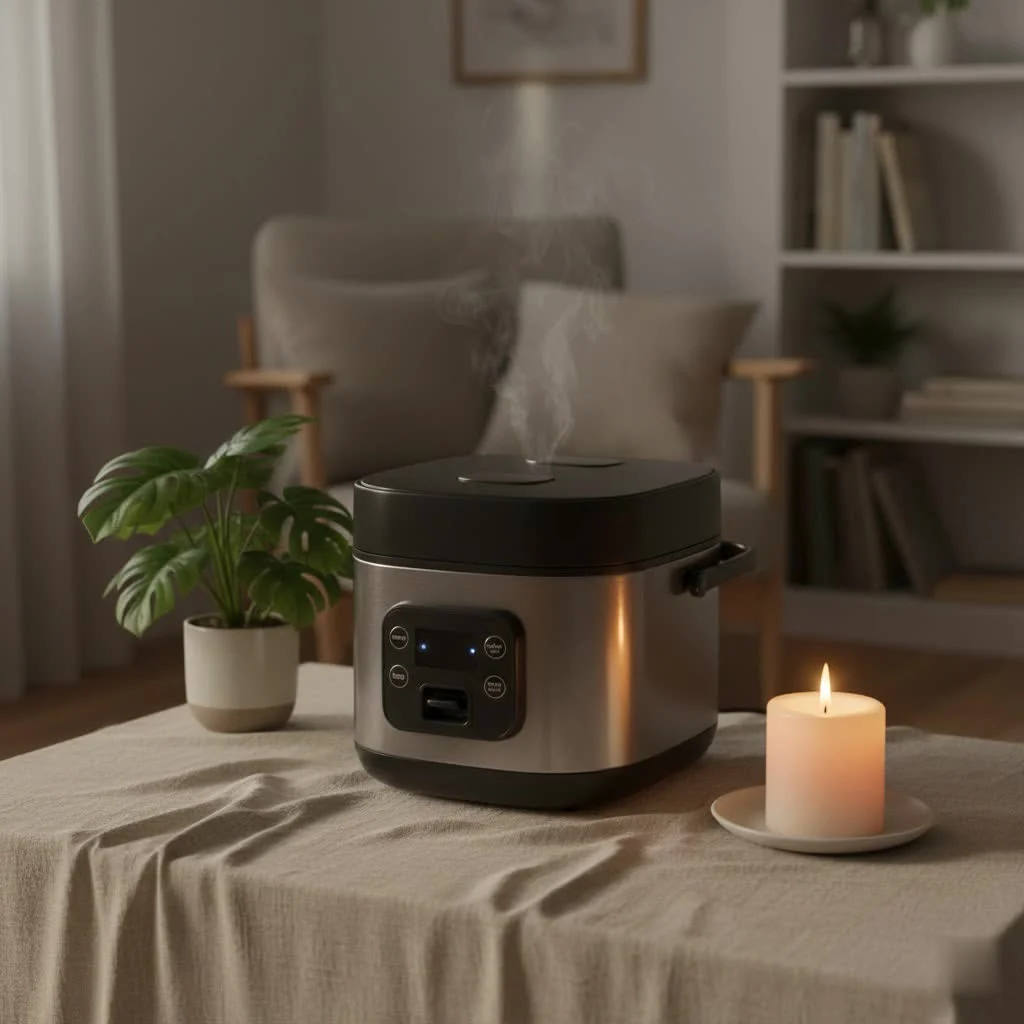
For many, the thought of achieving that ideal, fluffy texture on the stovetop can be daunting—sticky messes, burnt bottoms, or undercooked kernels are all too common. That’s where the trusty rice cooker steps in, simplifying one of the oldest culinary tasks. Whether you’re a beginner or a seasoned chef, understanding the science behind your rice cooker can help you appreciate its value and unlock its full potential. For more reviews guides on this site.
The Core Principle: How a Basic Rice Cooker Works Its Magic
At its heart, every rice cooker operates on a clever, yet simple principle: it boils water until it’s fully absorbed by the rice, then automatically switches off or to a “keep warm” mode. It’s a precise process, a dance between heat and moisture, orchestrated by a crucial component: the thermostat.
When you add rice and water to the inner pot and press the start button, a heating element at the base kicks into action, quickly bringing the water to a boil. As the water simmers, the rice grains gradually absorb it, softening and expanding. Here’s where the genius of the rice cooker truly shines. Water, at sea level, boils at a consistent 100°C (212°F). As long as there’s liquid in the pot, the temperature remains at this boiling point. However, once all the water has been absorbed by the rice, or has evaporated, the temperature inside the pot begins to rise, often exceeding 100°C.
A sensitive thermal sensor—the rice cooker’s “brain”—detects this subtle temperature increase. Once the sensor registers that the water is gone and the temperature is climbing, it automatically signals the heating element to shut off, or to switch to a gentle “keep warm” setting. This prevents the rice from burning and ensures it finishes cooking with residual heat, resulting in those perfectly separated, tender grains we all crave. It’s an elegant solution that takes all the guesswork out of rice preparation.
Beyond Basic: Unpacking Different Rice Cooker Technologies
While the fundamental principle remains, rice cooker technology has advanced significantly, offering different levels of precision, versatility, and convenience. Let’s explore the main types of rice cookers and how they enhance the cooking process.
Conventional Rice Cookers
|
Our Picks for the Best Rice Cooker in 2026
As an Amazon Associate I earn from qualifying purchases.
|
||
| Num | Product | Action |
|---|---|---|
| 1 | Zojirushi Micom 3-Cup Compact Size, Multiple Settings, Stainless Steel Made, Built-In Retractable Power Cord and Easy to Transport Rice Cooker and Warmer |

|
| 2 | AROMA Digital Rice Cooker, 4-Cup (Uncooked) / 8-Cup (Cooked), Steamer, Grain Cooker, Multicooker, 2 Qt, Stainless Steel Exterior, ARC-914SBD |
|
| 3 | Toshiba Mini Rice Cooker, 3 Cups Uncooked Small Rice Cooker, Steamer & Warmer, With Fuzzy Logic And One-Touch Cooking, 24 Hour Delay Timer And Auto Keep Warm Feature, White |
|
| 4 | COSORI Rice Cooker 10 Cup, 24h Keep Warm, Non-stick Ceramic Inner Pot, 18 Functions Fuzzy Logic Rice Maker with Stainless Steel Steamer Basket, Sauté, Slow Cooker, Black |
|
| 5 | AROMA Rice Cooker, 3-Cup (Uncooked) / 6-Cup (Cooked), Small Rice Cooker, Oatmeal Cooker, Soup Maker, Auto Keep Warm, 1.5 Qt, White, ARC-393NG |
|
| 6 | Zojirushi NS-ZCC10 5-1/2-Cup Neuro Fuzzy Rice Cooker and Warmer, Premium White |
|
| 7 | TOSHIBA Rice Cooker Small 3-Cup Uncooked– LCD Display with 8 Cooking Functions: Rice, Oatmeal, Mixed Grains and More, NonStick Inner Pot, Grey |
|
| 8 | AROMA® Rice Cooker, 3-Cup (Uncooked) / 6-Cup (Cooked), Small Rice Cooker, Oatmeal Cooker, Soup Maker, Auto Keep Warm, 1.5 Qt, White, ARC-363NG |
|
| 9 | Aroma Housewares 1.5Qt. Rice & Grain Cooker (ARC-363NGB),Black,6-Cup Cooked / 3-Cup Uncooked |
|
| 10 | Aroma Housewares 20 Cup Cooked (10 cup uncooked) Digital Rice Cooker, Slow Cooker, Food Steamer, SS Exterior (ARC-150SB),Black |
|
These are your entry-level workhorses. They use a simple bottom-plate heating element and a mechanical thermostat, much like the basic principle we just discussed. They get the job done for everyday white rice, but without advanced controls, they might sometimes produce slightly uneven results or require more precise water measurements to avoid sticking or burning. Think of them as the reliable old sedan of rice cookers – functional and dependable, but without all the bells and whistles.
Micom (Microcomputer) or Fuzzy Logic Rice Cookers
Stepping up from conventional models, Micom rice cookers introduce a microcomputer chip and “fuzzy logic” technology. This is where things get really smart. Instead of a simple on/off based on temperature, the microchip actively monitors and adjusts cooking temperature and time throughout the cooking cycle. It can “think” for itself, making subtle corrections based on the type of rice (white, brown, sushi, sweet rice, porridge) and even environmental factors like ambient temperature.
What does this mean for you? It translates to consistently superior results, even if your water-to-rice ratio isn’t absolutely perfect. These cookers often come with pre-programmed settings tailored for specific rice varieties, optimizing soaking, cooking, and steaming phases to bring out the best in each grain. As Helena Chen, our Senior Appliance Engineer, always says, “A rice cooker isn’t just about cooking rice; it’s about unlocking culinary potential with precision and ease.”
Induction Heating (IH) Rice Cookers
Induction heating rice cookers take precision to another level. Unlike conventional models that heat from a single element at the bottom, IH cookers use magnetic coils to generate a high-frequency magnetic field. This field causes the entire inner cooking pot itself to become the heat source, heating it quickly and evenly from all directions – the bottom, sides, and even the lid.
This “enveloping heat” ensures every grain of rice cooks uniformly, leading to an incredibly fluffy and consistent texture. IH technology allows for much finer temperature adjustments, cooking faster and often yielding rice with a noticeable difference in taste and texture. If you’re serious about your rice and want restaurant-quality results at home, an IH rice cooker is a game-changer. The way an IH rice cooker cooks rice is truly a marvel of modern engineering.
Pressure + IH + Micom Rice Cookers
The ultimate evolution in rice cooking technology combines the intelligence of Micom fuzzy logic with the even heating of Induction Heating, and adds pressure cooking to the mix. These premium models create an airtight seal, increasing the pressure inside the pot. This raises the boiling point of the water, allowing the rice to cook at higher temperatures, which can significantly enhance its flavor and texture.
Pressure cooking helps break down starches more effectively, resulting in softer, chewier, and often more nutritious rice. Many of these models even have pre-programmed soaking and steaming phases to further optimize the cooking process for different types of grains. For the true connoisseur, this type of rice cooker cooks rice with unparalleled depth and perfection.
Why Every Kitchen Needs One: Benefits of a Rice Cooker
Now that we understand the various technologies, let’s talk about why a rice cooker isn’t just a gadget, but an essential appliance for any modern kitchen. The way a rice cooker cooks provides a multitude of benefits over traditional stovetop methods.
Convenience & Time-Saving
This is perhaps the biggest draw. With a rice cooker, you simply measure your rice and water, press a button, and walk away. No need to constantly monitor a simmering pot, worry about boil-overs, or adjust heat settings. The automatic cooking process frees up your time, allowing you to focus on other aspects of your meal or simply relax. It’s the ultimate “set it and forget it” appliance, making meal prep significantly less stressful.
Consistent, Perfect Results Every Time
Say goodbye to burnt bottoms, mushy textures, or undercooked grains. A well-designed rice cooker cooks rice perfectly every single time, without fail. Its automated sensing mechanisms ensure that each grain absorbs just the right amount of water and cooks evenly. Whether it’s long-grain white rice, sticky sushi rice, or robust brown rice, you’ll achieve that ideal fluffy, tender, or chewy texture consistently, boosting your culinary confidence.
Versatility Beyond Rice
Don’t let the name fool you – modern rice cookers are incredibly versatile. Many models come with steaming trays, allowing you to steam vegetables, fish, or dumplings while your rice cooks below. Advanced models often feature specific settings for porridge, oatmeal, soups, stews, quinoa, and even cakes. This multi-cooking capability makes your rice cooker a true kitchen workhorse, capable of preparing a wide variety of dishes and expanding your cooking repertoire.
The “Keep Warm” Function
This feature is a lifesaver for busy households or when juggling multiple dishes. Once the rice is perfectly cooked, most rice cookers automatically switch to a “keep warm” mode. This low-temperature setting maintains the rice at an optimal serving temperature without continuing to cook or dry it out. You can prepare rice hours in advance, and it will still be hot and fresh when you’re ready to serve, making meal timing much more flexible.
Energy Efficiency
Compared to cooking rice on a stovetop, rice cookers are generally more energy-efficient. They are designed to concentrate heat directly to the cooking pot and maintain precise temperatures with minimal energy expenditure. This can lead to lower energy bills and a more eco-friendly cooking process over time.
Nutrient Retention
With precise temperature control and sealed cooking environments, some advanced rice cookers can help retain more of the delicate nutrients in your grains. Traditional stovetop cooking, with its potential for higher temperatures and longer heating times, can sometimes lead to greater nutrient loss. The controlled environment of a rice cooker ensures your food is not only delicious but also as nutritious as possible.
Mastering Your Rice Cooker: Tips for Fluffy Grains
Even with an advanced rice cooker, a few simple tips can elevate your rice to perfection. These practices ensure that your rice cooker cooks rice to its absolute best.
- Rinse Your Rice Thoroughly: This is a crucial step for achieving fluffy, separate grains, especially for white rice. Rinsing removes excess surface starch, which can otherwise make your rice sticky and clumpy. Rinse under cold, running water until the water runs clear. However, be mindful that some rice is enriched with vitamins and minerals, which can be washed away, so always check your rice packaging first.
- Use the Correct Water-to-Rice Ratio: While your rice cooker is smart, using the right ratio is key. As a general rule of thumb, most white rice varieties require a 1:1 ratio of water to rice, while brown rice often needs a 2:1 ratio due to its bran layer. Always refer to your rice cooker’s manual or the specific rice package instructions, as ratios can vary slightly. Using the measuring cup that often comes with your rice cooker is also recommended as it’s specifically calibrated.
- Don’t Open the Lid During Cooking: Resist the temptation to peek! The steam trapped inside the rice cooker is essential for the cooking process. Opening the lid releases this steam, dropping the temperature and potentially extending cooking time or resulting in unevenly cooked rice. Trust your machine – it will signal when it’s done.
- Allow for Resting Time: Once your rice cooker switches to “keep warm” or turns off, let the rice rest undisturbed for 5 to 15 minutes with the lid still closed. This crucial resting period allows any remaining moisture to be fully absorbed and evenly distributed throughout the grains, giving you that ideal fluffy texture.
- Fluff with a Rice Paddle: After resting, gently fluff the rice with a rice paddle. This helps separate the grains and releases any trapped steam, preventing it from becoming overly moist. Avoid metal utensils as they can scratch the non-stick coating of your inner pot.
- Consider Your Altitude: If you live at a high altitude, water boils at a lower temperature. This might mean you need to add a little more water or slightly extend the cooking time. Consult your rice cooker’s manual for high-altitude cooking adjustments.
Unleashing Creativity: Recipes Beyond Plain Rice
Your rice cooker is capable of so much more than just a simple bowl of grains! Think outside the box and experiment with these ideas:
- One-Pot Meals: Sauté aromatics in the pot (if your model allows), then add rice, broth, vegetables, and protein for a complete meal like chicken and rice or jambalaya.
- Porridge and Oatmeal: Many fuzzy logic rice cookers have dedicated settings for creamy, perfectly cooked breakfast porridges.
- Soups and Stews: With precise temperature control, your rice cooker can simmer hearty soups and stews to perfection.
- Steamed Dishes: Utilize the steaming basket to prepare healthy vegetables, fish, or dumplings alongside your rice.
- Desserts: Believe it or not, you can even make delicious desserts like rice pudding or steamed cakes in some advanced models!
The convenience and versatility of a modern rice cooker truly make it an invaluable tool for any home cook looking to simplify meal preparation and consistently achieve perfect results.
Frequently Asked Questions About Rice Cookers
How does a rice cooker cook rice so consistently?
A rice cooker cooks rice consistently by using a precise heating element and a thermal sensor. The sensor detects when all the water has been absorbed by the rice (indicated by a temperature rise above boiling point), automatically switching the cooker to a “keep warm” mode or shutting it off. This prevents overcooking and burning, ensuring perfect results every time.
What are the main types of rice cooker technology?
The main types include conventional (basic heating element), Micom (microcomputer/fuzzy logic for intelligent temperature and time adjustments), Induction Heating (IH for even, precise heat from the entire pot), and Pressure + IH + Micom (combining all advanced features with pressure for enhanced flavor and texture).
Can a rice cooker cook different types of grains?
Yes, most modern rice cookers, especially Micom and IH models, can cook a wide variety of grains beyond just white rice. They often have specific settings for brown rice, sushi rice, jasmine, basmati, quinoa, steel-cut oats, and even barley.
Is rinsing rice really necessary when using a rice cooker?
For most white rice varieties, rinsing is highly recommended. It removes excess surface starch, which helps achieve fluffier, less sticky grains and prevents the cooker from boiling over. However, check if your rice is enriched with vitamins and minerals, as rinsing can wash these away.
What is the ideal water-to-rice ratio for a rice cooker?
A general guideline is a 1:1 ratio for white rice and a 2:1 ratio for brown rice. However, the exact ratio can vary by rice type and cooker model. Always consult your rice cooker’s manual and the specific rice packaging for the most accurate recommendations.
How long does it take for a rice cooker to cook rice?
Cooking times vary depending on the type of rice and the amount. White rice typically takes 20-30 minutes, while brown rice can take 45-60 minutes. Advanced cookers with pressure or IH technology might cook slightly faster. Remember to also factor in a 5-15 minute resting period after cooking for optimal texture.
Conclusion
From the simple yet ingenious thermal sensor to the sophisticated dance of fuzzy logic, induction heating, and pressure, the way a rice cooker cooks rice is a testament to thoughtful engineering aimed at making our lives easier and our meals more delicious. At Golmz.com, we believe that understanding your kitchen appliances helps you get the most out of them. Investing in a quality rice cooker means investing in convenience, consistency, and culinary freedom.
So, go ahead, confidently measure your grains, add your water, and let your rice cooker work its magic. You’ll be rewarded with consistently perfect rice that forms the ideal foundation for countless meals. Happy cooking, and remember: perfect rice is just a button press away!
Cooking gear we tested in our own kitchens
Practical specs, not advice. Unsubscribe anytime.