Hey there, fellow food enthusiasts and health-conscious home cooks! As an appliance engineer with over a decade of experience, especially with rice cookers, and the main content writer for Golmz.com, I’ve seen countless innovations in kitchen tech. But one area that truly matters for our well-being is safety – specifically, ensuring our cooking appliances don’t introduce harmful chemicals into our food. That’s why today, we’re diving deep into the world of non toxic rice cooker options.
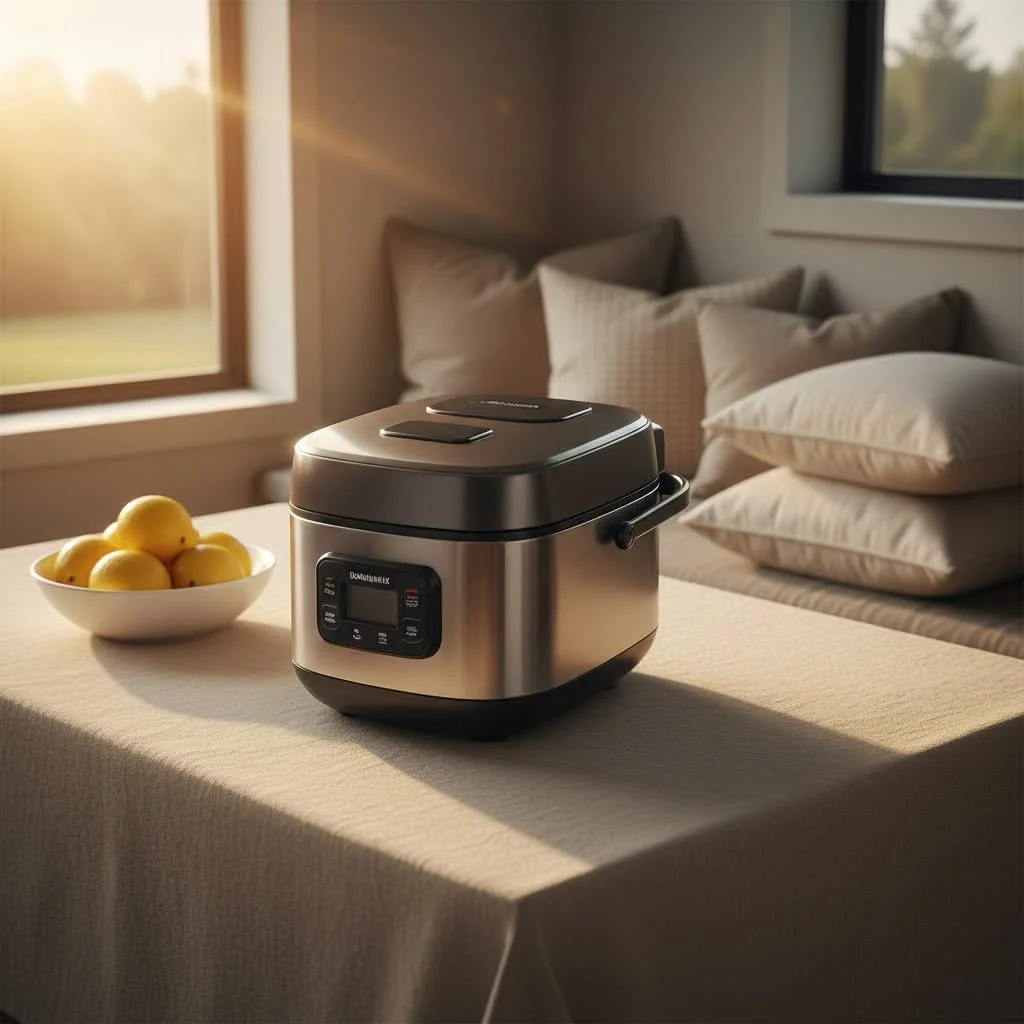
Many of us grew up with the convenience of non-stick rice cookers, but a growing awareness of what’s really in those coatings has led to a crucial shift. Choosing a non toxic rice cooker isn’t just a trend; it’s a proactive step towards a healthier lifestyle for you and your family. We’re talking about enjoying perfectly cooked rice, fluffy and flavorful, without a side of chemical worries. Let’s explore how you can make an informed choice and embrace truly healthy cooking.
Why “Non Toxic” Matters: The Hidden Dangers of Traditional Rice Cookers
You might wonder, what’s the big fuss about traditional non-stick coatings? The concern primarily revolves around a group of man-made chemicals known as PFAS (Per- and Polyfluoroalkyl Substances), which include PTFE (often recognized by the brand name Teflon) and PFOA (Perfluorooctanoic Acid). These substances are prized for their resistance to grease, water, and stains, making them incredibly effective in creating slick, non-stick surfaces.
However, the very properties that make PFAS useful in the kitchen also make them incredibly persistent in our environment and our bodies. When traditional non-stick coatings are heated above certain temperatures—often around 500°F (260°C)—they can release harmful fumes and leach toxic substances into your food. Research has linked PFAS exposure to a range of potential health issues, including hormonal imbalances, immune system disruptions, and even increased risks of certain cancers. Pregnant women and children are particularly vulnerable to these persistent chemicals.
Beyond PFAS, some conventional rice cooker inner pots, especially those with less transparent manufacturing, might contain lead or cadmium in their glazes or coatings. These heavy metals are known toxins, and their presence in food preparation surfaces is a serious concern. It’s why relying on “mystery coatings” or products that don’t explicitly disclose their materials is a gamble we simply shouldn’t take when it comes to our health. Choosing a non toxic rice cooker helps us avoid these hidden hazards.
Decoding Non-Toxic Materials: Your Safest Bets for Healthy Cooking
So, if traditional non-stick is out, what are the best alternatives for a truly non toxic rice cooker? The good news is, there are several excellent, safe materials available today that deliver fantastic cooking results without the chemical baggage.
Stainless Steel: The Robust and Reliable Choice
|
Our Picks for the Best Rice Cooker in 2026
As an Amazon Associate I earn from qualifying purchases.
|
||
| Num | Product | Action |
|---|---|---|
| 1 | Zojirushi Micom 3-Cup Compact Size, Multiple Settings, Stainless Steel Made, Built-In Retractable Power Cord and Easy to Transport Rice Cooker and Warmer |

|
| 2 | Aroma Housewares 20 Cup Cooked (10 cup uncooked) Digital Rice Cooker, Slow Cooker, Food Steamer, SS Exterior (ARC-150SB),Black |
|
| 3 | Aroma Housewares 1.5Qt. Rice & Grain Cooker (ARC-363NGB),Black,6-Cup Cooked / 3-Cup Uncooked |
|
| 4 | AROMA® Rice Cooker, 3-Cup (Uncooked) / 6-Cup (Cooked), Small Rice Cooker, Oatmeal Cooker, Soup Maker, Auto Keep Warm, 1.5 Qt, White, ARC-363NG |
|
| 5 | AROMA Digital Rice Cooker, 4-Cup (Uncooked) / 8-Cup (Cooked), Steamer, Grain Cooker, Multicooker, 2 Qt, Stainless Steel Exterior, ARC-914SBD |
|
| 6 | TOSHIBA Rice Cooker Small 3-Cup Uncooked– LCD Display with 8 Cooking Functions: Rice, Oatmeal, Mixed Grains and More, NonStick Inner Pot, Grey |
|
| 7 | COSORI Rice Cooker 10 Cup, 24h Keep Warm, Non-stick Ceramic Inner Pot, 18 Functions Fuzzy Logic Rice Maker with Stainless Steel Steamer Basket, Sauté, Slow Cooker, Black |
|
| 8 | AROMA Rice Cooker, 3-Cup (Uncooked) / 6-Cup (Cooked), Small Rice Cooker, Oatmeal Cooker, Soup Maker, Auto Keep Warm, 1.5 Qt, White, ARC-393NG |
|
| 9 | Toshiba Mini Rice Cooker, 3 Cups Uncooked Small Rice Cooker, Steamer & Warmer, With Fuzzy Logic And One-Touch Cooking, 24 Hour Delay Timer And Auto Keep Warm Feature, White |
|
| 10 | Zojirushi NS-ZCC10 5-1/2-Cup Neuro Fuzzy Rice Cooker and Warmer, Premium White |
|
When it comes to durability and chemical inertness, stainless steel is a champion. A non toxic rice cooker with an inner pot made of 100% food-grade stainless steel (look for 304 or surgical-grade) is an outstanding option.
Stainless steel is naturally non-reactive, meaning it won’t leach chemicals into your food, even at high temperatures. It’s incredibly resilient, resistant to chipping, scratching, and wearing down over time, which means no tiny particles ending up in your meal. Plus, its smooth surface is a breeze to clean, helping to prevent bacterial buildup. Many health-conscious cooks swear by stainless steel for its pure cooking environment and longevity.
Pure Clay & Uncoated Ceramic: Harnessing Nature’s Best
For those who appreciate traditional cooking methods and a truly natural approach, pure clay or uncoated ceramic rice cookers are fantastic choices for a non toxic rice cooker. These pots are made from natural clay that’s kiln-fired, creating a naturally non-stick surface without the need for chemical coatings.
Uncoated ceramic is inherently free from PFAS, PFOA, lead, and cadmium. Beyond safety, cooking in clay can actually enhance flavors and preserve the natural nutrients, enzymes, and vitamins in your food, offering a unique depth that metal pots often can’t match. When opting for this type of non toxic rice cooker, always ensure the manufacturer is transparent about their materials and certifies that the clay or ceramic is free from lead and cadmium additives.
Certified Ceramic Coatings: Modern Non-Stick Without the Worry
While some ceramic coatings can be ambiguous, many modern rice cookers feature advanced ceramic non-stick coatings that are explicitly certified as PFAS-free, PFOA-free, lead-free, and cadmium-free. Brands that are committed to health and transparency offer these solutions, giving you the convenience of a non-stick surface without the associated risks.
These coatings are designed for durability and ease of cleaning, often providing excellent food release. It’s crucial to look for clear certifications and choose reputable brands when considering a ceramic-coated non toxic rice cooker to ensure you’re getting a genuinely safe product. Many of these also boast lower carbon emissions during their manufacturing process, adding an eco-friendly bonus.
Other Safe Materials: Silicone & Enameled Cast Iron
You might also encounter silicone-coated components or even enameled cast iron options. High-quality silicone coatings, when certified free from harmful chemicals, offer flexibility, heat resistance, and a non-stick surface. Enameled cast iron provides superb heat retention and distribution, making it an excellent choice for consistent cooking and flavor development, particularly in higher-end multi-cookers that can also function as a non toxic rice cooker.
Beyond Materials: What to Look for in a Non Toxic Rice Cooker
Choosing the right material for your non toxic rice cooker is paramount, but there are other factors to consider that contribute to a healthier and more enjoyable cooking experience:
- Transparency and Certifications: This is non-negotiable. Look for brands that are upfront about their materials and provide certifications (e.g., “PFAS-free,” “PFOA-free,” “Lead-free,” “Cadmium-free,” “BPA-free”). If a brand is vague about its inner pot’s composition, it’s best to steer clear.
- Minimal Plastic Components: While some plastic parts are inevitable, especially in the exterior or lid, aim for a non toxic rice cooker design that minimizes plastic contact with food during heating. For instance, a stainless steel steam tray is preferable to a plastic one.
- Capacity and Features: Consider your household size and cooking needs. Do you need a compact 3-cup cooker or a larger 10-cup capacity? Modern non toxic rice cooker options often come with fuzzy logic technology for precise cooking, delay timers, and even multi-cooker functions (like steaming, sautéing, or slow cooking), making them incredibly versatile.
- Ease of Cleaning and Maintenance: A non toxic rice cooker should also be easy to maintain. Stainless steel pots are generally dishwasher safe and can handle robust cleaning. Certified ceramic coatings and clay pots usually require gentler cleaning to preserve their non-stick properties.
Expert Tips for a Healthier Rice Cooking Experience
As an engineer and someone passionate about home cooking, I believe that smart usage complements a great appliance. Here are a few tips to maximize your non toxic rice cooker experience:
“The best rice cooker isn’t just about the technology; it’s about the materials that touch your food. Prioritizing stainless steel or certified pure ceramic gives you peace of mind with every grain.” – Elara Vance, Lead Appliance Engineer at Golmz.com
- Use the Right Utensils: Even with a non toxic rice cooker featuring a robust ceramic coating, it’s always wise to use wooden, bamboo, or silicone utensils to avoid scratches that could potentially compromise the surface over time. For stainless steel, you have more flexibility.
- Clean Promptly: For any rice cooker, cleaning the inner pot soon after use prevents stubborn food residue, making the process easier and ensuring hygiene. Always follow the manufacturer’s cleaning instructions.
- Store Thoughtfully: If your rice cooker has a ceramic-coated inner pot, avoid stacking other cookware inside it during storage, as this can lead to chips or scratches.
- Read the Manual: This might seem obvious, but understanding your specific non toxic rice cooker model’s recommendations for water-to-rice ratios, cooking times, and care is crucial for perfect results and appliance longevity.
Elevate Your Meals: Recipes with Your Non Toxic Rice Cooker
A non toxic rice cooker isn’t just for plain white rice! Its precise temperature control and consistent heat are perfect for a variety of grains and dishes:
- Fluffy White and Brown Rice: Master the basics for perfect texture every time.
- Nutrient-Rich Quinoa and Farro: Explore healthy grain bowls.
- Steamed Vegetables or Fish: Utilize a stainless steel steamer basket to cook sides simultaneously.
- Soups and Porridges: Many multi-functional non toxic rice cooker models excel at these comforting dishes.
- Even Desserts: Some models can handle rice puddings or even steamed cakes.
The possibilities are endless once you have a reliable, safe appliance at your disposal.
Frequently Asked Questions About Non Toxic Rice Cookers
Choosing the right non toxic rice cooker can bring up a few questions. Here are some common ones I hear:
Q: Are all ceramic rice cookers non-toxic?
A: Not necessarily. While uncoated, pure ceramic is generally non-toxic, some ceramic coatings might contain lead or cadmium. Always look for explicit certifications stating “PFAS-free,” “lead-free,” and “cadmium-free” to ensure you’re getting a genuinely non toxic rice cooker.
Q: Is stainless steel better than ceramic for rice cookers?
A: Both are excellent non-toxic options. Stainless steel is incredibly durable and won’t scratch easily, but it may require a bit more effort to prevent sticking. Certified ceramic coatings offer good non-stick properties but might require gentler handling. The “best” choice for a non toxic rice cooker often comes down to personal preference for maintenance and cooking style.
Q: How often should I replace a non-toxic rice cooker?
A: With proper care, a high-quality non toxic rice cooker made from stainless steel or pure clay can last for many years, even a decade or more. Ceramic-coated pots may eventually show wear, but certified coatings are designed for longevity under normal use. Replace it if you notice significant damage to the inner pot or a decline in performance.
Q: Can I use a non-toxic rice cooker for other grains?
A: Absolutely! Most non toxic rice cooker models are versatile enough to handle various grains like quinoa, oats, barley, and even lentils. Many come with preset functions specifically for different grain types, making them a true kitchen workhorse.
Q: What about plastic components in the lid or exterior?
A: While it’s ideal to minimize plastic, some external plastic components or lid parts that don’t directly contact hot food are generally less of a concern. Focus on ensuring the inner cooking pot and any steam trays are made from certified non-toxic materials. Opt for a non toxic rice cooker with minimal plastic touching your food.
Cook Confidently with a Non Toxic Rice Cooker
Embarking on a healthier cooking journey starts with the tools we use, and selecting a non toxic rice cooker is a significant step in the right direction. By understanding the materials, knowing what to avoid, and focusing on transparent, reputable brands, you can confidently choose an appliance that delivers delicious, perfectly cooked rice without compromising your family’s health.
At Golmz.com, we believe that quality kitchen equipment should empower you to create amazing meals, safely and efficiently. Make the switch today, and experience the difference a truly non toxic rice cooker can bring to your kitchen and your well-being. Happy cooking!
Cooking gear we tested in our own kitchens
Practical specs, not advice. Unsubscribe anytime.